Executive Director

Programme
The Climate Transition Programme focuses on analysing the political, financial, economic, and social complexities that shape climate and energy policy. Facilitating dialogue for a low-emission, resilient future without compromising development.
The Climate Transitions Programme explores the political, financial, economic, and social complexities of the climate transition in West African countries. It provides insights to government and non-government stakeholders in the region to inform the design and implementation of policies and strategies on climate and energy transition, understand trade-offs, navigate the geopolitical landscape, and assess the institutional, financial, and structural constraints that influence their decisions.
The program's evidence-based approach provides pragmatic and useful inputs to the policy-making process for West African countries in a context where local and global politics influence development priorities, mixed with the increasing need for industrialization, and in the face of a diversity of challenges that constrain the region. Our goal is to work with the governments in designing an actionable pathway for low net emissions growth that does not compromise their development priorities and incorporates resilience in the realities of foreseeable climate impacts.
In the West Africa region, the programme serves as a platform for generating insight and fostering dialogue among government institutions, private sector, civil society, and development partners. We position ourselves as facilitators of this transition - using research, partnerships, and convenings to shape climate policy that works for people, institutions, and the environment.
This explores how governance structures, institutional dynamics, and political settlements shape climate transitions in West Africa. By examining the intersection of policy design, implementation, and stakeholder interests, APRI seeks to understand the context-specific barriers, realities, and enablers of climate action. Our work generates evidence that helps clarify power relations, decision-making processes, and the role of political economy in driving or delaying reform.
We delve into the role of West African countries in shaping and responding to international climate negotiations, alliances, and financing frameworks. This area of research seeks to strengthen their capacity on climate diplomacy to engage effectively in global forums, while ensuring that national interests, especially around development, energy access, and equity, are well represented. By generating insights on negotiation strategies, geopolitical alignments, and multilateral partnerships, we aim to support a strategic and just climate foreign policy.
Green industrial pathways influence job creation, technology adoption, and the development of resilient value chains. They also shape the country’s ability to reduce emissions while enhancing productivity, competitiveness, and inclusive development across key sectors. This focus area supports the transformative potential of green industrialization to drive sustainable economic growth in West Africa.
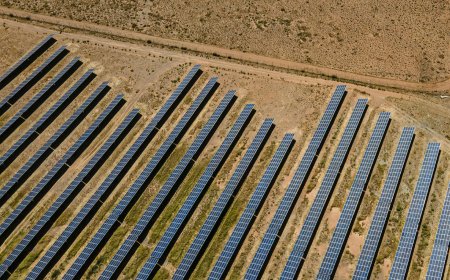
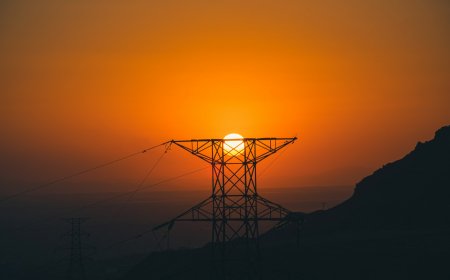
Navigating the complex interplay between energy security, energy access, and emissions reduction will require carefully crafted policies and significant investments in clean energy infrastructure to ensure a just and equitable transition that promotes sustainable economic growth and poverty alleviation. Securing sufficient international climate finance to fund this transition while managing the expected losses in the fossil sector presents significant fiscal and social challenges. Our work here revolves around the development of ‘Country Platforms’ that align and coordinate the efforts of government, the private sector, civil society, and international development partners in accelerating flows of climate finance to implement country climate transition plans.
Ensuring that the climate transition is not only ambitious, but also just and inclusive is central to building a sustainable, equitable, and resilient future for West African countries. The concept of what constitutes a just transition varies between countries and regions, based on their realities and context. Here we explore these dynamics with a focus on embedding justice and equity at the core of designing and implementing climate transitions in Africa and in climate diplomacy. There is a need to establish and incorporate clear, community-led, and consensus-based principles into the design of climate transitions in West Africa to address existing inequality gaps.
Executive Director
Senior Climate and Energy Fellow
Research and Policy Officer
Project Coordinator, Climate Transition Programme
Technical Assistant

Reclaiming Our Future was a collaborative project with young African change-makers in climate-related sectors. APRI, in partnership with the Mastercard Foundation, explored how young people across Africa practised resilience amid the challenges of the climate crisis.