Senior Fellow and Head, Economy and Society Programme

Programme
The Economy and Society programme seeks to understand what enables and enhances African agency in shaping economic and social change. We produce research, convene dialogues and exchanges that are attentive to the ways African economies, politics and societies interact.
We seek to understand what enables and enhances African agency in shaping economic and social change. From solopreneurs to government ministries, from small cooperatives to companies with regional and continental footprints, from local initiatives to the diaspora – what are current and emerging constraints as well as opportunities for African agency? We produce research output, convene dialogues and exchanges that are attentive to how African economies, politics and societies interact locally, regionally and globally. This approach brings a historically informed perspective to present structural inequalities, economic shifts, political transitions and policy debates around reshaping international cooperation. Through our publications, events, dialogues and recommendations we help shape the way policymakers, experts, civil society and media address these issues.
We seek to understand the developments surrounding the implementation of the African Continental Free Trade Area (AfCFTA) and its consequential effects on Africa's trade engagements with global partners. This involves examining the political economy of regional integration and industrial development, particularly in the context of Africa's trade policies.
We focus on the pivotal topic of elections and political transitions across diverse African nations. Elections profoundly impact countries' economic development, influencing investor confidence, trade relations, and fiscal policies. They also shape social dynamics, as election outcomes can affect social cohesion, equality, and access to basic services.
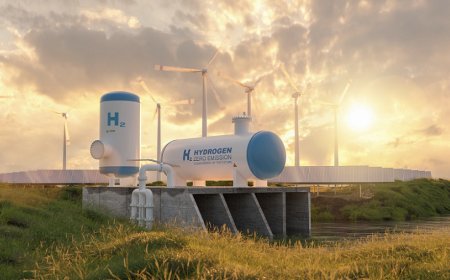
Reimagining African economies and building a sustainable future is key to addressing social and economic challenges, fostering inclusive growth, and reducing inequality. By embracing sustainable practices, African nations can also contribute to both local and global environmental efforts, enhance resilience, and promote long-term, inclusive prosperity. By examining “What Works” we provide empirical grounding for reimaginations at different economic and political scales.
The “What Works” series looks at the continent and asks - what works? It examines specific regional developments and seeks to empirically verify some claims about what “should”, “could” or allegedly “cannot” work - and for whom - in African contexts. Targeting African and EU policymakers and practitioners, it shares evidence-based case studies with actionable insights and policy implications.
Through co-creation of policy ideas with key actors in the German and EU Africa policy landscape.
The E&S program tracks and shares analysis on relevant elections across the African continent and the implications of these elections and their outcomes. This includes detailed pre-election assessments, dialogue on election processes, and post-election analysis of results and their broader impact. The program aims to provide timely and insightful information to policymakers, researchers, and the general public, fostering a deeper understanding of democratic developments and their socio-economic consequences in Africa.
The E&S program produces a series of informative analyses in partnership with topical experts highlighting topics relevant to emergent and ongoing issues surrounding the African continent that will offer policy advice to relevant stakeholders.
Senior Fellow and Head, Economy and Society Programme
Project Coordinator, Economy & Society Programme
The Development Policy, Colonial Continuities, and Futures of Partnership project examines how colonial continuities continue to shape German development cooperation and explores pathways towards more equitable, reflective and partnership-oriented international cooperation.
This project investigates the current status, practical experiences, and perceptions of state and non-state actors from South Africa, Ghana, and Zambia. South Africa is the highest recipient of multilateral climate financing on the continent and the sixth-highest internationally.