Senior Fellow and Head of Geopolitics Programme

Programme
The Geopolitics and Geoeconomics Programmes dives deep into the complexities of a multipolar world and Africa’s positioning within it, providing evidence-based analysis and policy innovation, and offering a platform for discussions, collaborations, and broader policy and practical engagements.
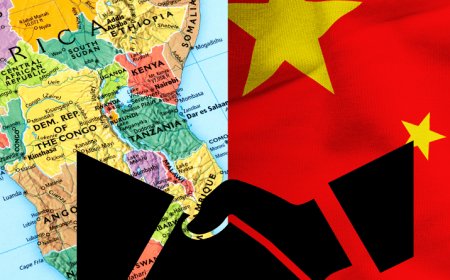
Africa's current and emerging strategic positioning marks a significant shift in its relations with other regions, one that promises to transform the continent’s engagement with the world. From analysing the dynamics of great power competition to examining the impacts of energy transitions on geopolitical trends, this programme covers a wide range of topics. We explore how the shifting geopolitical landscape presents both challenges and opportunities for African states and institutions as they navigate complex transitions in political, social, technological, ecological, and industrial domains.
Our aim is to provide policymakers, as well as researchers, businesses, and civil society actors, with the knowledge and tools to navigate the complexities of the current geopolitical moment, while imagining forms of partnership and collaboration that can lead to mutually beneficial outcomes. Through our publications, events, and policy recommendations, we foster evidence-based analysis and promote innovative solutions. Our objective is to place African perspectives at the centre of analysis on Africa’s relations with other regions and blocs. Together with our partners, we work to ensure that African voices and agendas actively shape the terms of the continent’s engagement with the world.
The project Geopolitics and Geoeconomics in Africa-Europe Relations is the first project of the Geopolitics & Geoeconomics Programme. The project is funded by Stiftung Mercator.
In partnership with

Senior Fellow and Head of Geopolitics Programme
Project Coordinator, Geopolitics Programme
EU Senior Fellow
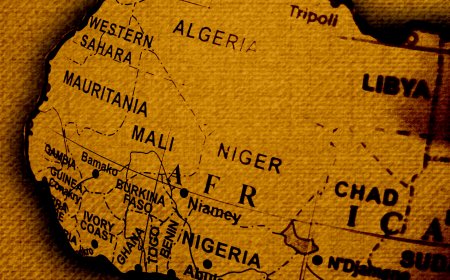
As ECOWAS celebrates its golden jubilee in 2025, African scholars and practitioners reflect on its legacy and future. The ECOWAS Policy Analysis Series (EPAS), coordinated by APRI with GIZ support, brings African voices to the forefront, reassessing regional integration in West A...
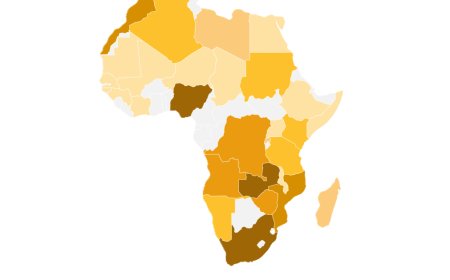
This interactive map tracks Africa+1 summits from 1973–2024, showing how African states’ diplomatic partnerships have evolved from France to Asia, the US, and beyond, highlighting changing global ties and emerging international partners.
This interactive database maps trade, investment, and green projects between African countries and major actors — China, the EU, and Gulf states — tracking pledged and disbursed climate finance to support Africa’s energy transition.
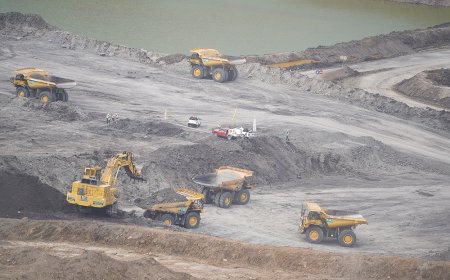
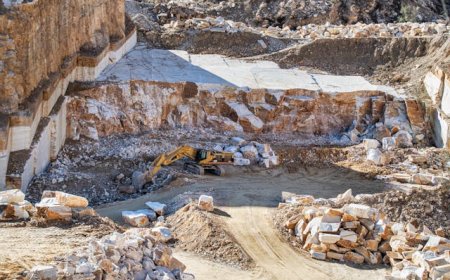
Africa aims to turn its critical minerals into industrial growth. This project explores how African countries can add value to resources, build CRM-based industries, and navigate global partnerships to create jobs and drive development.