Spotlight: François Sennesael, EU Senior Fellow
François Sennesael joins APRI as EU Senior Fellow
Working on EU-Africa relations today means engaging with a relationship at a moment of profound change. As I join APRI as EU Senior Fellow, I do so at a time when calls for a ‘new’, ‘equal’, or ‘mutually beneficial’ partnership have become familiar in Brussels and European capitals. Yet, at a time of geopolitical shift, a fundamental question remains: how much has the relationship itself actually changed?
Europe increasingly recognises Africa's importance to its economic, geopolitical, and ecological future. From the green transition and critical raw materials to trade and multilateral cooperation, Africa has moved closer to the centre of Europe's strategic debates. But greater attention does not automatically produce a more balanced partnership. European policy too often remains shaped by inherited assumptions and an expectation that Europe will continue to be Africa's natural or preferred partner.
The world around this relationship, however, has changed dramatically. African countries now operate in a far more multipolar environment, with a growing range of partnerships and strategic options. China has profoundly altered the economic landscape through its engagement in infrastructure, trade, and investment. India is expanding its presence in digitalisation, agriculture, and trade, while Gulf countries have emerged as significant investors in infrastructure, logistics, and energy.
For Europe, the implication is clear: it can no longer assume that historical ties automatically translate into contemporary influence. It must increasingly see itself as one partner among many and ask what it genuinely offers African countries in a world of expanding choices. But this is not simply a story of geopolitical competition, nor should African countries be viewed primarily as the terrain on which global powers compete for influence. The more important question is how African governments, institutions, businesses, and societies use greater geopolitical choice to pursue their own priorities, negotiate better terms, and expand their room for manoeuver.
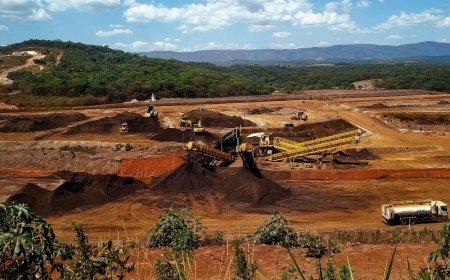
At APRI, I will examine what this means in concrete policy terms. I am particularly interested in the gap between the language of partnership and the realities created by European policies and economic interests. How can Europe support African climate and energy ambitions without reproducing patterns of conditionality or dependency? How can cooperation on critical raw materials contribute to local value creation and industrialisation rather than reinforcing extractive models?
I am also interested in moving beyond a purely bilateral lens. Rather than viewing every Chinese investment, Gulf initiative, or Indian partnership primarily as a loss for Europe, we need a more sophisticated understanding of where interests compete, where approaches differ, and where cooperation may be possible. Complex global challenges will not be solved by asking African countries to choose sides.
As I join APRI as EU Senior Fellow, I bring close to a decade of experience living and working across Africa and a PhD in Politics from Oxford. At APRI, together with my colleagues in the Geopolitics and Geoeconomics programme, I want to combine policy analysis with engagement: bringing African perspectives more directly into European debates, challenging entrenched assumptions, and creating space for conversations that are rigorous, candid, but also grounded in evidence.
About the author

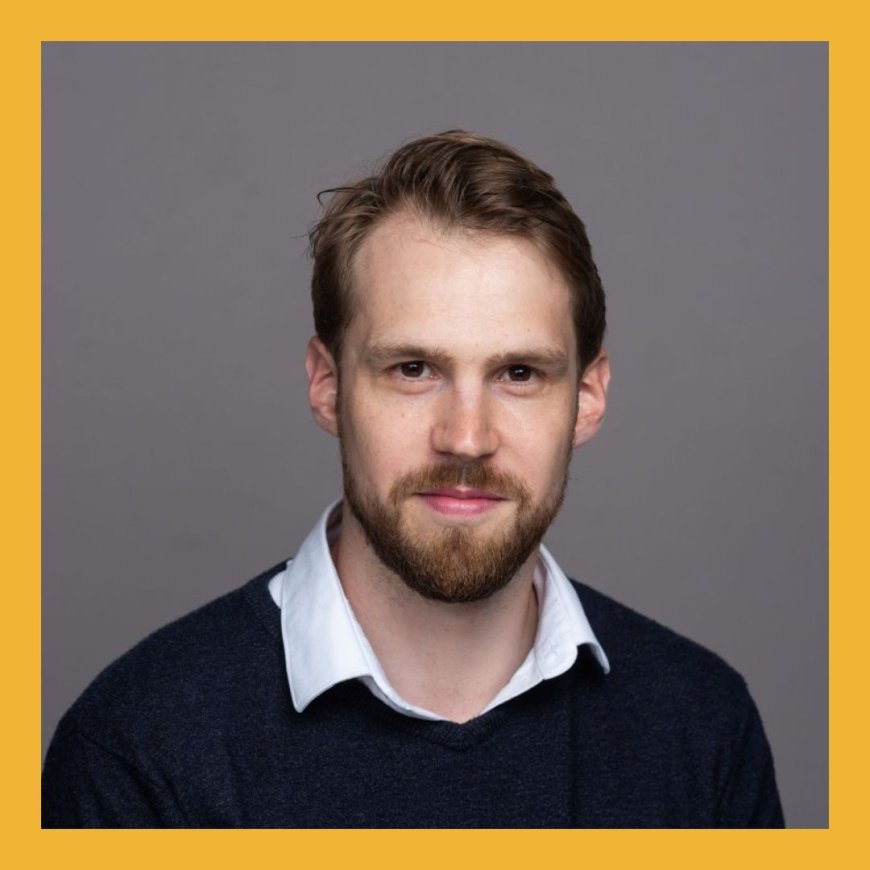
François Sennesael
François Sennesael is the EU Senior Fellow within APRI's Geopolitics and Geoeconomics Programme, bringing a decade of experience across diplomacy, public policy, and geopolitical risk advisory in Brussels, major international hubs, and field locations like DRC, Uganda, and South Sudan. He holds a DPhil in Politics from the University of Oxford and has worked with prominent organizations including the UN, Belgian Ministry of Foreign Affairs, and International Crisis Group.