

Richard’s startup journey to transforming electric mobility in Kenya
"Infrastructure is paramount," says Richard Mulili, a Kenyan entrepreneur driving electric mobility across Africa through Evocharge Africa, which builds accessible charging solutions and empowers youth in the evolving tech space.
Introduction
Richard Mulili, a Kenyan entrepreneur dedicated to advancing electric mobility in Kenya and across Africa, has seen firsthand the challenges and triumphs that come with starting a business in a rapidly changing sector. His journey began with a vision to address two major concerns: youth unemployment and the lack of reliable charging infrastructure. By focusing on electric vehicles and e-mobility solutions, Richard has not only offered sustainable alternatives but also created valuable opportunities for young people to thrive in the evolving tech space.
Driving innovation in e-mobility: Richard’s vision for a sustainable future
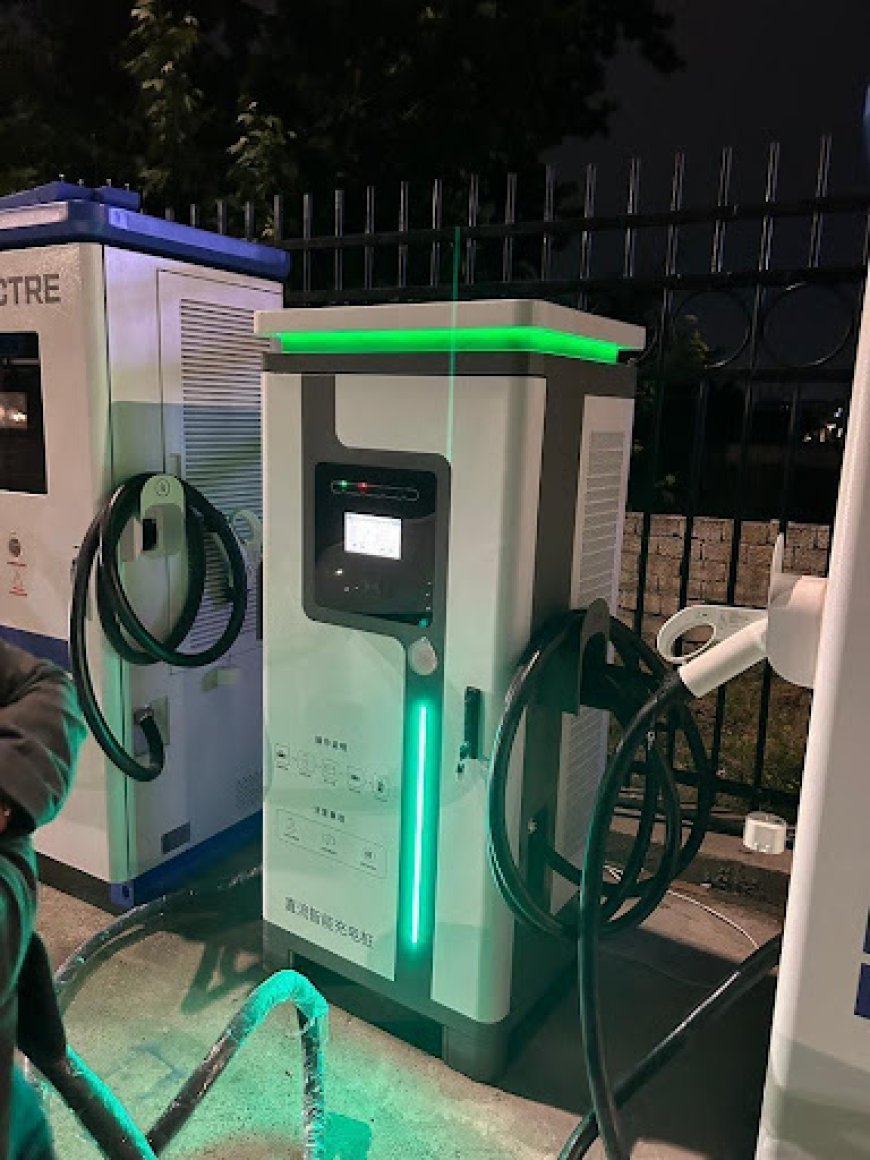
Richard Mulili is the founder and project lead of Evocharge Africa, a company dedicated to building sustainable electric vehicle (EV) charging infrastructure across Africa, starting with Kenya. Recognising the significant gap in the market, Richard’s vision was to create an open-source infrastructure that would support both two- and four-wheelers. Evocharge Africa’s goal is to build accessible charging solutions that enable smoother mobility for EV owners across the continent.
A leap of faith: the beginning of Evocharge Africa
In 2022, Richard set out on his entrepreneurial journey, determined to address a critical issue within the e-mobility sector: the lack of reliable charging infrastructure. Unlike traditional market players who focused primarily on importing vehicles, Richard focused on a neglected yet essential aspect of e-mobility – charging infrastructure. By ensuring that drivers have access to charging stations, regardless of the vehicle they drive, Evocharge Africa hopes to eliminate the limitations that currently restrict movement for EV owners in Kenya.
Overcoming challenges: from scratch to success
The path to establishing Evocharge Africa wasn’t without its challenges. These included substantial infrastructure costs, the need for custom technological development, a lack of specialised skills and the absence of local manufacturing capabilities. Despite these obstacles, Richard and his team took the first step by sourcing seed capital from friends and family, amounting to just USD 10,000. With this initial funding, they developed the specifications for chargers suitable for both four- and two-wheelers and secured a partnership with an original equipment manufacturer (OEM) in China to produce the units.
Additionally, Richard faced the challenge of a significant skills gap, particularly in software development. Although he was an economist, he had to learn coding to implement essential communication protocols, such as OCPP 1.6, for the charging infrastructure. This skillset was virtually nonexistent in Kenya, so Richard and his team had to train themselves and others to develop the software needed for their systems. Furthermore, while Evocharge Africa aspires to manufacture their chargers locally, the lack of adequate manufacturing capabilities in Kenya means they currently source most of their parts from China. Richard hopes that within the next few years, at least 60% of the chargers can be produced within the continent.
Another major challenge was developing the necessary technology for their operations. A particularly pressing obstacle was creating a payment system accessible to a wide range of users, including those with limited access to smartphones. In Kenya, where many two-wheeler riders do not own smartphones, a user-friendly solution was essential.
To address this, Evocharge Africa introduced an innovative solution: an NFC (near field communication) tag that functions like a key holder. This tag allows riders to start and end their charging sessions with a simple tap. Users can load funds onto their M-Pesa mobile wallet, and when they tap the NFC tag at the charging station, the session cost is automatically deducted from their balance. This solution not only overcame technological barriers but also made the charging process more efficient and accessible to a broader audience.
The drive behind Evocharge Africa's success
For Richard, one key ingredient to his success has been an obsession with his idea. His passion for building charging infrastructure doesn’t switch off. He always finds himself conducting research and staying updated on industry trends. His social media feeds are dedicated to following EV pioneers like Tesla, ensuring he remains informed about the latest developments so he can adapt and innovate quickly in a rapidly changing market.
Richard’s drive for continuous learning has been instrumental to Evocharge Africa’s success. Now, after successfully mastering OCPP 1.6 and equipping his team with the necessary coding skills, Richard is focused on upgrading to the latest OCPP 2.2, ensuring that his company remains relevant and competitive.
In addition to his passion for knowledge, Richard values the importance of strategic partnerships. Recognising that no entrepreneur succeeds in isolation, he has actively sought out collaborations with industry experts and support networks. One of the most impactful partnerships has been with the Kenya Climate Innovation Center (KCIC), an incubator that provides non-financial support, which has been crucial to Evocharge Africa’s growth. While KCIC may not offer direct funding, their network connections, such as links to organisations like the African Development Bank, have opened doors for Richard and his team. The incubator also assists with essential tasks like paperwork and offers credibility when pitching to investors, which strengthens the company’s position when seeking funds or expanding its operations.
Empowering the next generation in the e-mobility sector
A core aspect of Evocharge Africa’s mission is creating opportunities for young people. Richard Mulili recognises that the future of e-mobility depends not only on infrastructure but also on empowering the youth who will drive and sustain this industry.
Within the organisation, Evocharge Africa prioritises hiring young talent. Out of the seven full-time employees, all are under 35 years old, except for one director. The team includes, besides Richard, three engineers, two software developers and one marketing officer. This youthful workforce has been strategically chosen for their adaptability and willingness to learn new technologies, essential traits for a tech-driven company like Evocharge Africa. Richard believes that young people are more flexible and open to acquiring new skills, making them ideal for an evolving industry where innovation is constant.
Beyond employment, Evocharge Africa is developing initiatives to engage young people in the broader e-mobility ecosystem. One standout programme is a partnership with Egerton University, where they plan to introduce electric scooters and bikes to address the challenge of mobility on the university’s expansive campus. This initiative not only provides a practical transport solution but also aims to train students in e-mobility maintenance and repair. By equipping students with these skills, Evocharge Africa is creating a pipeline of job-ready graduates who can transition seamlessly into the workforce – either within Evocharge Africa or other e-mobility companies. Students will also have the opportunity to work part-time, managing and maintaining the scooters and bikes on campus.
Overcoming barriers to engaging young people
While Evocharge Africa has been successful in hiring and training young people, Richard highlights several challenges in both attracting and retaining youth talent. One of the primary obstacles is the lack of relevant skills. The cutting-edge technologies used by the company, such as communication protocols for charging infrastructure and software development, are not commonly taught locally. As a result, Richard and his team must invest significant time and resources into training new recruits, which can cause delays. This additional training burden can be especially challenging for a startup aiming for quick growth.
Another challenge is the risk of losing trained employees to larger companies once they’ve gained the necessary skills. Startups often struggle to retain talent, particularly when young employees are drawn to more established organisations offering higher salaries or greater resources. This makes it crucial for Evocharge Africa to create a supportive, engaging work environment that keeps young professionals invested in the company's mission.
On the consumer side, one of the biggest challenges Evocharge Africa faces in attracting young people is the financial barrier to purchasing EVs. Many young people in Kenya cannot afford the high cost of EVs, which can range upwards of USD 40,000 when including taxes and customs fees. This price point is far beyond the reach of most young consumers, limiting the adoption of e-mobility.
To address this issue, Evocharge Africa has introduced e-scooters and e-bikes as a more affordable entry point. The company offers these vehicles for short-term rentals, allowing young people to pay a nominal fee of USD 1-2 to use them. This makes e-mobility more accessible to a broader audience, enabling young people to experience the technology without the large upfront investment.


Enabling youth access to e-mobility
Richard believes that a successful enabling environment for startups like Evocharge Africa hinges on three main factors: access to information, access to international technologies, and a more streamlined and supportive policy environment.
One critical element is access to information. Richard emphasises that being able to tap into a vast pool of knowledge online has been crucial to Evocharge Africa's growth. Whether it’s through YouTube tutorials, social media posts or online research, Richard has been able to teach himself about the technical aspects of the business, such as coding for the charging infrastructure and navigating the complexities of the e-mobility market. Access to information has allowed him to follow the progress of companies that are ahead of Evocharge Africa, learn from their successes and mistakes, and adapt these insights to his own strategy. This self-education has been indispensable in an industry where specialised knowledge is scarce, especially in Kenya.
In addition to information, Richard credits e-commerce platforms, such as Alibaba, with playing a vital role in bringing global technology to Kenya. Although the local manufacturing ecosystem may not yet have the capabilities to produce all the necessary components for Evocharge Africa's infrastructure, Richard was able to source high-quality materials from China through these platforms. This has been particularly important in an emerging market like Kenya, where access to specialised equipment and technology is limited. By leveraging international suppliers, Evocharge Africa has been able to build cutting-edge infrastructure while simultaneously fostering the local market for e-mobility.
Despite these positives, Richard highlights challenges in the investment ecosystem. While smaller grants are available, scaling the company often requires larger investments, which can be difficult to secure. Skepticism among investors, partly due to the underperformance of Kenya’s stock exchange, has made it harder to attract the level of funding needed to elevate Evocharge Africa to international relevance. Richard points out that while the government and incubators are doing good work, bureaucratic hurdles often slow down the implementation of policies meant to support startups.
Aspirations and goals for the future of Evocharge Africa
Looking ahead, Richard has clear ambitions for the future of Evocharge Africa, with a strong focus on expanding the company’s reach and creating lasting opportunities for youth employment. While the company’s roots are firmly planted in Kenya, Richard envisions the business growing across the entire East and Central African regions. Kenya serves as a critical entry point to these markets, and once Evocharge Africa’s solutions prove successful within the country, the plan is to scale and replicate the model in neighbouring countries.
A key component of Evocharge Africa’s expansion is its university programme in Kenya, which Richard believes could serve as a model for other institutions. By introducing electric scooters and bikes to campuses, the company is not only improving transportation options but also fostering a cultural shift toward e-mobility. Richard envisions that, as students engage with the technology, they will become familiar with EVs, which will naturally extend into their personal lives, with the goal of every young person eventually owning their first electric car and using Evocharge Africa’s services. Beyond promoting EVs, the programme is designed to create job opportunities by providing training on e-mobility technologies, thereby equipping young people with the skills necessary to repair and maintain the growing fleet. This initiative ensures a smooth transition from education to employment, whether within Evocharge Africa or the broader e-mobility industry, empowering youth with valuable skills for the future.
Unlocking opportunities: E-mobility innovation and job creation
Richard is confident that the opportunity for scaling innovation within Kenya’s e-mobility sector is immense. He believes that there is no reason why the adoption of EVs couldn’t reach more than 50% in the country, particularly given the significant economic benefits. Currently, Kenya spends nearly USD 4 billion annually on petroleum imports; by reducing that expenditure by just 50%, the country could unlock over USD 2 billion in savings, all of which could be reinvested into e-mobility solutions. This, Richard argues, presents a strong economic incentive for accelerating the adoption of EVs.
To achieve this, education and skill development are essential. Richard sees universities and training programmes as key to creating a workforce that is not only familiar with but also passionate about the benefits of electric vehicles. The better young people understand the long-term advantages of EVs, such as environmental sustainability, lower costs and energy independence, the more they will embrace these technologies. This increased adoption will not only benefit the industry but will also pave the way for new opportunities in the entire e-mobility value chain.
The opportunities are vast, ranging from manufacturing EVs to developing charging infrastructure, and from creating software payment solutions to providing maintenance and repair services. Richard sees a potential boom in startups within these areas, each of which will contribute to the larger ecosystem of e-mobility. As young people gain knowledge and skills, they will be equipped to launch their own businesses that complement existing infrastructure and make the e-mobility ecosystem more efficient and accessible.
Advice for emerging startups
Richard advises new startups to focus on building sustainability from the start. He stresses that while external funding is valuable, relying solely on it can lead to failure if funds run out. Instead, startups should ensure they can operate and grow on their own revenue before scaling. He acknowledges that the entrepreneurial environment in Africa is very different from that of the developed world, and therefore startups must prepare for slow but steady growth to keep their operations lean and prove their model’s viability before scaling up.
He also highlights the importance of partnerships and open innovation. Richard encourages startups to make their technologies accessible and foster collaboration. This openness not only helps improve the technology but also fosters a larger, more dynamic market.
This series, produced in partnership with the Mastercard Foundation, focuses on young African entrepreneurs promoting economic growth through green tech innovation in Nigeria, Ghana, and Kenya. It showcases these founders' journeys, highlighting their contributions, successes, and challenges while identifying the support needed to expand their innovative ventures.