Background
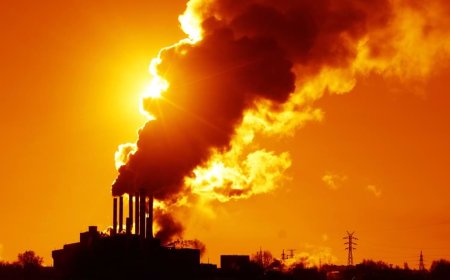
Nigeria's energy landscape is at a critical juncture, marked by a history of environmental degradation and socio-economic disparities, predominantly evident in the Niger Delta region. This area, the heartland of Nigeria's oil production, has witnessed severe environmental damage from decades of oil exploration. The extensive extraction activities have led to widespread destruction of farmlands, pollution of water bodies, and significant air quality issues, notably the pervasive "soot" problem affecting the health and livelihoods of local communities. The situation is exacerbated by the ongoing divestment of global oil companies, often executed without adequate remediation efforts, leaving behind a legacy of pollution and economic instability.
The Niger Delta Development Commission, established to facilitate economic development and alleviate the environmental damages in the region, challenged by capture and inefficiencies, has struggled to deliver the expected benefits to the local populations. Additionally, the recent enactment of the Petroleum Industry Act, which includes provisions for host communities, offers a legislative framework that could potentially support a more equitable distribution of resources and benefits. However, the historical gap between policy intentions and outcomes remains a significant hurdle.
The link between fossil fuel exploitation and conflict in the region is well-documented, with the economic dependencies on oil having fueled violence and unrest in the past. As Nigeria moves towards a more sustainable energy future, there is a pressing need to address these complex issues comprehensively to ensure that the transition not only shifts the source of energy but also rectifies the injustices and conflicts ingrained in the current energy system.
This high-level discussion aims to tackle these multifaceted challenges by bringing together diverse stakeholders to explore actionable strategies for a just transition that not only promotes environmental sustainability but also ensures social equity and economic viability for all Nigerians affected by the energy sector's evolution.
The Event
This high-level discussion aims to provide a comprehensive view of the just transition in Nigeria, bridging the gap between high-level policy discourse and the lived experiences of impacted communities. It will focus on implementing equitable solutions that rectify past harms and prevent future injustices. The high-level discussion is organised against the backdrop of the visit of the President of the Ford Foundation to Nigeria. Deliberations will help influence and strengthen Ford’s programming in response to the challenges in the region.
Panelists
Nnimmo Basseyn
Keynote presenter
Health of Mother Earth Foundation (HOMEF).
Dr. Muntaqa Umar-Sadiq
Speaker
Head, Nigeria Energy Transition Office
Tengi George-Ikoli
Speaker
Senior Officer, Nigeria Program, Natural Resource Governance Institute
Comr Ndieze Ikechukwu Agunwa
Speaker
Vice Chairperson Youth Committee, Nigeria Labour Congress
Moderation
Victoria Ibezim-Ohaeri
Moderator
Executive Director, Spaces for Change