Nigeria’s Critical Mineral Strategy
The Roadmap for Nigeria’s Critical Minerals Strategy project engages Nigerian critical minerals stakeholders to forge a self-determined and just pathway for critical minerals development.
Flagship projects
The Roadmap for Nigeria’s Critical Minerals Strategy project engages Nigerian critical minerals stakeholders to forge a self-determined and just pathway for critical minerals development.
This interactive map tracks Africa+1 summits from 1973–2024, showing how African states’ diplomatic partnerships have evolved from France to Asia, the US, and beyond, highlighting changing global ties and emerging international partners.
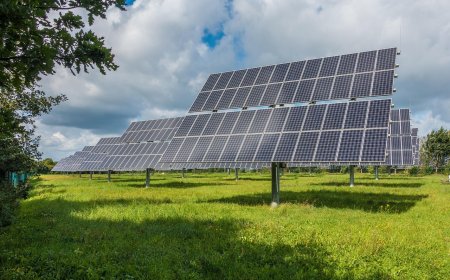
This interactive database maps trade, investment, and green projects between African countries and major actors — China, the EU, and Gulf states — tracking pledged and disbursed climate finance to support Africa’s energy transition.
Reclaiming Our Future was a collaborative project with young African change-makers in climate-related sectors. APRI, in partnership with the Mastercard Foundation, explored how young people across Africa practised resilience amid the challenges of the climate crisis.
Africa aims to turn its critical minerals into industrial growth. This project explores how African countries can add value to resources, build CRM-based industries, and navigate global partnerships to create jobs and drive development.
This project generated evidence and raised awareness of policy options African economies could use to harness indigenous green technologies for youth employment, especially for women, while addressing persistent growth challenges.
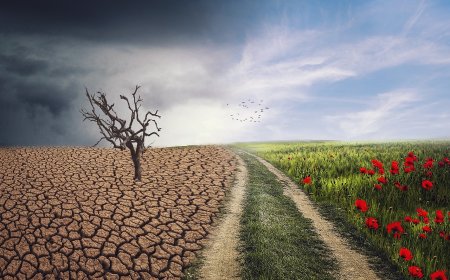
This project made climate change concepts more accessible by explaining key terms used in climate science and policy. By clarifying complex terminology, it aimed to help a wider audience better understand climate change debates and engage more confidently with the topic.
This project investigates the current status, practical experiences, and perceptions of state and non-state actors from South Africa, Ghana, and Zambia. South Africa is the highest recipient of multilateral climate financing on the continent and the sixth-highest internationally.
This project analysed adaptation components of NDCs and national climate frameworks in Ghana, Nigeria, and Senegal, evaluating policy dimensions to identify challenges and opportunities for sustaining effective climate adaptation strategies.