Die Politik- und Regulierungslandschaft für den Transfer grüner Technologien in Südafrika (EN)
Erfolgreicher Technologietransfer erfordert die Harmonisierung widersprüchlicher Lokalisierungsregeln mit dringenden Klimazielen.


List of Abbreviations
Summary
-
South Africa's green economy push, though central to its national development and dating back to 2008, relies on a sophisticated but fragmented array of policies that result in policy inconsistencies and institutional fragmentation.
-
There is a core tension between policies designed to integrate with global green markets (attracting foreign direct investment) and domestic protectionist requirements (such as localisation quotas), creating an unpredictable environment for technology transfer.
-
The country has a successful public-private partnership model in the energy sector (the Renewable Energy Independent Power Producer Procurement Programme), which has attracted significant private and foreign investment, contrasting sharply with other sectors that lack the stable, long-term frameworks needed to scale pilot projects.
-
Despite legal frameworks (e.g., the Climate Change Act 22 of 2024 and the National Climate Change Response White Paper of 2011) and public institutions such as the Centre for Scientific and Industrial Research and the Technology Innovation Agency, both of which support innovation, there is a significant gap in capacity and funding for technology commercialisation. This acts as a barrier to effective technology transfer.
-
Effective progress relies on harmonising the policy landscape, scaling proven financial models and strengthening institutional linkages to foster a resilient and inclusive green technology ecosystem.
Executive summary
South Africa's push for a green economy is a core part of its national development strategy. Foundational documents dating back to 2003 (the White Paper on Renewable Energy of 2003 and the National Energy Act 34 of 2008) link this vision to critical socio-economic goals such as job creation and poverty reduction. This policy review examines the policies, regulations and key players involved in green technology transfer across vital sectors such as energy, water, waste and agriculture, and provides valuable insights into whether the policy environment is conducive for technology transfer. Where technology transfer is promoted, the channels and funding streams are highlighted. The review also provides an opportunity to identify core tensions and contradictions within the current policy mix.
The review focuses on four critical sectors that reflect South Africa’s most pressing economic vulnerabilities and its significant socio-economic opportunities: energy, water, agriculture and waste. For each sector, there is evidence (both explicit and implied) to suggest that South Africa has developed a comprehensive set of policies and legal instruments aimed at facilitating green technology transfer and ensuring a just transition. The success of the Renewable Energy Independent Power Producer Procurement Programme serves as a clear example of how public-private collaboration and performance requirements can effectively attract foreign direct investment to fund and implement new green infrastructure and technology.
However, due to deep-seated policy conflicts, such as the tension between localisation requirements and the urgent need for rapid decarbonisation, this ecosystem faces significant challenges. Policies focused on social equity, such as local content requirements, may delay and increase the cost of the transition, creating a trade-off between social objectives and climate urgency. Additionally, regulations like the Protection of Personal Information Act can inadvertently create non-tariff barriers by imposing complex data obligations on foreign technology providers.
To create a resilient and inclusive green technology ecosystem, South Africa must harmonise its policy landscape to minimise internal contradictions, expedite the translation of research into commercial products and strategically strengthen institutions that can foster trust and reliable data sharing among government, business and academia.
Introduction
In recognition of the compelling environmental, economic and social benefits, countries worldwide are transitioning towards a green economy and utilising green technologies. Besides mitigating climate change, the green economy also seeks to promote employment and sustainability in new industries, such as clean technology and sustainable agriculture.1 To achieve this, African countries will require access to external green technologies which are both robust and responsive. This is because many African countries lack the domestic capacity for extensive research and development (R&D) in cutting-edge green technologies. Access to external technologies allows them to transition from traditional, carbon-intensive development pathways to cleaner, more efficient solutions.2
In this regard, green technology transfer (hereafter ‘green tech transfer’) occurs through several channels, including foreign direct investment (FDI), trade in goods and services, licensing and franchising, movement of skilled people, R&D, and technical and development aid. In the context of this policy review, we consider the channels of trade and FDI. Trade facilitates the flow of green products and services, such as solar panels and wind turbines, from innovating countries to countries in need. FDI, on the other hand, is a vehicle for transferring not only capital but also intangible assets like knowledge, skills and managerial capacity.3 China, South Korea and Singapore are examples of countries that have successfully leveraged a combination of trade and FDI to achieve significant technology transfer (hereafter ‘tech transfer’) and drive economic growth.
While FDI into Africa is on the rise, notably in clean energy industries, its role in green tech transfer is uncertain.4 The challenge is how to efficiently direct such investment into projects that genuinely increase sustainable development. Trade in green technologies, on the other hand, remains inward, with African countries importing the bulk of the goods.5 Although African countries are permitted to have access to embodied technology, the deeper transfer of disembodied technology – the know-how, skills and ability to manufacture and innovate locally – remains insufficient. African countries are now increasingly preoccupied with formulating policies that stimulate green tech transfer and build localised technological capabilities to maximise the benefits of these capital and technology inflows.6
In recent decades, the South African government has been engaging in a transition to an inclusive and just green economy. The transition requires a new, overarching development paradigm that puts environmental sustainability at the centre and responds to the socio-economic imbalances presently experienced by most citizens.7 It will also require access to technology. Like several other African countries, South Africa lacks the required modern technological capacity to effectively localise production and undertake extensive R&D in cutting-edge technologies.
One of the principal challenges for South Africa has been to attract the kind of manufacturing FDI that creates a robust green industry at the domestic level, as opposed to projects focused simply on resource exploitation. To this end, the government is contemplating policies such as local content requirements for green investments and the creation of a more stable and supportive regulatory environment.8 Furthermore, the government has established frameworks and agencies, such as the Technology Innovation Agency (TIA)9 and the National Intellectual Property Management Office (NIPMO), to support commercialisation and guide tech transfer. South Africa’s intellectual property laws ensure that taxpayer-funded inventions benefit all citizens, promoting economic development, job creation and improved living standards.10
As a first step in understanding South Africa’s green tech transfer ecosystem, this review examines South Africa’s policies and regulatory frameworks in the context of trade and FDI. It also maps key actors moderating green tech transfer across critical sectors, including energy, water, waste and agriculture. The work has involved rapid desktop research relying on secondary data. In the sections to follow, we define the concept of the green economy and provide an overview of its policy and regulatory environment. We then focus on the policy and regulatory frameworks related to green tech transfer and the relevant sectors. The next section looks at the key actors and stakeholders impacting green tech transfer in South Africa. We then highlight the challenges and opportunities in the green tech sector and draw our conclusions.
South Africa’s quest for a green economy and the green tech transfer imperative
As evident in the 2003 White Paper on Renewable Energy, South Africa's embrace of a green economy is an established, integral element of its national development strategy. The 2008 National Framework for Sustainable Development fully articulates the country's vision for sustainable development, which seeks to achieve a ‘sustainable, economically prosperous and self-reliant nation state’. In this vision, the green economy is characterised by two related developmental results: (i) the growth of economic activity in the committed green industry sector, and (ii) a general, systemic transformation of the entire economy towards cleaner industries and practices. The vision also includes a broad array of jobs, such as those in R&D, engineering and traditional blue-collar occupations like plumbing and electrical wiring, which are essential to preserving ecosystems, conserving energy and water, and minimising waste and pollution. The transition to a green economy is regarded as essential for safeguarding national democracy and meeting the basic human needs of citizens through the sustainable management of natural resources.11
There is a strong, though complicated, set of policy and legislative frameworks informing South Africa's transition to a green economy. Rather than having a unified strategy, the country relies on a diverse and fragmented collection of policies and legislation across different sectors and government departments. The foundational policy landscape is reviewed below.
The National Development Plan and the New Growth Plan
South Africa's long-term green economy vision is based on the National Development Plan (NDP) 2030 and the New Growth Path (NGP). Both provide high-level strategic direction, foreseeing that the country will have a competitive, resource-efficient and inclusive economy. The master thought is to decouple economic growth from resources and environmental degradation through increased investment in green sectors and policy reforms.
The NDP 2030 is the nation's long-term socio-economic roadmap, which was reaffirmed in the country’s Economic Recovery and Reconstruction Plan, passed as a response measure to COVID-19. It positions the green economy as an essential part of its overall development plan. Priority is given to key services such as water and infrastructure in order to drive development and reduce poverty. The NDP stresses the importance of policy coordination in energy, transport and industry policies, among others, to ensure a smooth transition towards a green economy.12 Although the NDP does not specifically mention tech innovation and tech transfer in a particular piece of legislation, it establishes the strategic importance of green tech transfer as a key enabler for achieving its long-term goals. The NDP’s link to green tech transfer is discussed under environmental sustainability and resilience, which focuses on the transition to a low-carbon economy.13
South Africa's New Growth Path (NGP), on the other hand, prescribes adjustments in the nature and composition of production to build a more inclusive and greener economy over the medium to long term, with specific focus on developing a local manufacturing base for green technologies.14 The NGP's vision for the green economy is a just transition which prioritises that the change to a low-carbon, resource-efficient economy must also tackle social equity and the creation of jobs, as encapsulated in the Green Economy Accord (2011), a social compact between government, business and labour to realise the NGP's aspirations.15
While these two reports provide strategic direction, the challenge remains to translate this high-level vision into concrete, implementable policies that can practically achieve both social equity and economic development.
The Climate Change Act and national targets
The Climate Change Act, No. 22 of 2024, provides the legal and regulatory framework for the country's response to climate change, thus legislating the policy aspirations of the low-carbon, resource-efficient economy envisioned in the National Climate Change Response White Paper of 2011. The act is intended to underpin a long-term, equitable transition to a low-carbon, climate-resilient economy and society. While the act does not have a dedicated green tech transfer section, it creates an overarching legal and institutional framework that makes the development, deployment and acquisition of green tech a legal requirement for achieving the country's climate goals and commitments made in the Paris Agreement of 2015. The act mandates all governments to align their policies with the Paris Agreement’s objectives, thereby placing a firm legal mandate on coherence in policy and the avoidance of contradiction. Among the tools of the act is the allocation of carbon budgets to high-emitting sources, which compels them to develop and submit plans to reduce greenhouse gases (GHGs). To incentivise each sector to reduce its GHG emissions, the Carbon Tax Act 15 of 2019 was promulgated to encourage a transition to a low-carbon economy by applying the polluter-pays principle and introducing a carbon levy. These two climate-change-related acts are binding and, by focusing attention on a ‘just transition’, ensure climate action is not pursued at the expense of any given stratum in society, a significant consideration given South Africa's high unemployment and inequality.16 This legal framework directly influences and empowers the operational policies that drive the green transition.17
The Just Energy Transition Investment Plan
The Just Energy Transition Investment Plan (JET-IP) is South Africa's five-year green transition investment plan to deliver the country’s Nationally Determined Contribution (NDC) objectives. The plan aims for more than R1 trillion in new investment, with a vision to generate quality work, improve energy security and position South Africa as a leading actor in the green economy. One of the most significant features of the JET-IP is the historic Just Energy Transition Partnership (JETP) deal signed at COP26, which secured an initial USD 8.5 billion from a group of international partners to catalyse funding.18 The funding is intended to de-risk projects and mobilise a much greater number of resources from public and private sources. The JET-IP aims at three priority areas: the power-generating sector, new energy vehicles (NEVs) and green hydrogen.19 This sectoral targeting renders the JET-IP a key tool for facilitating tech transfer and rendering transition, an industrialisation driver, a job creator and an engine of economic diversification.20
Other frameworks impacting green tech and tech transfer, which also reveal both the complexity of the green economy and its inherent tensions, include:
-
The Carbon Tax Act is legislation that aims to reduce climate change by applying the ‘polluter-pays principle’. The act sets a tax on GHGs, which becomes a cost stimulus for companies to reduce their carbon footprint. It encourages them to invest in and adopt cleaner technologies, energy efficiency measures and other low-carbon measures to reduce their tax liability.21
-
The Protection of Personal Information Act (POPIA) and the ensuing National Data and Cloud Policy establish onerous data localisation obligations.22 Beyond natural persons, POPIA protects ‘juristic persons’, generating legal incompatibilities with foreign regimes such as the EU's GDPR. The consequence is that foreign technology firms are compelled to create South Africa-specific data transfer agreements and infrastructure, which can distract from core innovation and impede the rollout of standardised, global green tech platforms and services. This can be self-defeating, for while the country aims to attract foreign green investment, its data policies can unintentionally function as a non-tariff barrier, betraying a tension between the need for foreign expertise and the need for domestic control and security.23
South Africa’s trade, industry and FDI policy landscape
Trade policy
South Africa does not have a standalone trade policy document. Instead, its trade policy is articulated by an array of policy frameworks, strategies and legislative instruments, guided by the South African Trade Policy and Strategy Framework (TPSF) of 2010, which acts as a foundation document. The TPSF is considered essential for initiating a shift away from the simplistic, across-the-board tariff reduction strategy of the past. It has advocated a strategic tariff policy whereby tariffs are selectively employed as a tool to aid industrial development, especially in labour-intensive sectors.24 It remains at the heart of the International Trade Administration Commission (ITAC) decision-making strategy.25
One of the central assumptions of the TPSF was to render trade policy complementary to industrial policy.26 The TPSF insisted that trade policy should not be an objective in itself but should be tailored to the broader goals of industrialisation, job creation and economic diversification. It also called for a development-oriented trade policy, particularly in relations with other African countries, and to take advantage of its trade relations to spur industrialisation and the growth of infrastructure on the continent.27 While the TPSF does not focus exclusively on tech transfer, it mentions and supports green tech transfer as a key component of South Africa’s trade and industrial policy. The TPSF explicitly states that the government should ‘scale up implementation of the Industrial Policy Action Plan (IPAP) to support broad-based industrialisation, promote cleaner, lower-energy technologies and green jobs, and attract investment into the green economy’.28
South Africa's trade policy approach is being re-evaluated to align with the world's green economic and technological revolutions, as well as benefit from the African Continental Free Trade Area (AfCFTA). The AfCFTA is seen as a landmark for South Africa's trade policy as well as a statement of intent on the growth path that will support its progress in the coming decades.29 Currently, ITAC is reviewing 82 tariff codes from the renewable energy sector, with recommended changes ranging from increasing customs duty on foreign parts where domestic production is viable to imposing export control provisions on strategic minerals to ensure an indigenous supply that is secure.30
Despite not having a standalone strategy, there is a need to reiterate the importance of the TPSF. Although it dates back more than a decade, its principles are highly applicable and continue to inform the country's industrial policy approach.
Industrial policy
South Africa’s industrial policy has evolved to deal with the challenges of the green economy. All the traditional IPAPs between 2007 and 2020 clearly named the green economy as one of the priority sectors to industrialise. Local content requirement in the renewable energy sector, for example, is one way the IPAP leveraged public procurement to force transfer of technology and skills. Furthermore, the green industries sector is strategically focused on industrial support, which facilitates tech transfer by attracting FDI that owns desirable green tech. The IPAP also identified the Industrial Development Corporation (a government developmental funding arm for industrial policy), which set aside funding (R25 billion over five years in earlier IPAP plans) toward the green economy and energy-efficient projects. However, the IPAP has been substituted with a ‘Reimagined Industrial Strategy’ (RIS) that uses sectoral master plans to underpin a multi-stakeholder initiative of government, the private sector and labour.31 The principal enablers of this strategy are greater localisation, manufacturing and innovation, and science and technology commercialisation.32 This joint endeavour is a deliberate departure from previous state-led initiatives and is a principal vehicle for risk mitigation and building consensus on investment within a high-complexity economic environment through a PPP approach.33 The RIS elevates the role of green tech transfer by making ‘Greening the Economy’ a foundational pillar for industrial renewal and structural transformation. Unlike previous policies that treated green industries as just one sector, the RIS embeds the necessity of aligning with the global green economic and technology revolutions across the entire policy framework.34 The RIS is then translated into sector-specific master plans that outline the timeframes and investment quantum for the green economy and other developmental imperatives.
The major master plans that have been launched and are in operation include:
-
Automotive Industry Master Plan to 2035 (SAAM)
-
South African Poultry Sector Master Plan 2030
-
South African Sugar Value Chain Master Plan 2030
-
Retail-Clothing, Textile, Footwear and Leather (R-CTFL) Value Chain Master Plan to 2030
-
South African Steel and Metal Fabrication Master Plan 1.0
-
Commercial Forestry Sector in South Africa Master Plan 2020-2025
-
South African Furniture Industry Master Plan
-
Cultural and Creative Industries (CCI) Master Plan
The new industrial policy is being applied to new sectors. For example, the domestic Automotive Master Plan is being adapted to facilitate a transition into the new energy vehicle (NEV) sector in order to protect sector employment and promote new economic growth in green production. The action is considered to be vital to South Africa's potential to continue its position in global export markets, particularly since EU policies are phasing out internal combustion engine vehicles.35
Other key national plans/master plans include:
-
South African Renewable Energy Master Plan (SAREM): Focuses on the industrialisation and localisation of the renewable energy and storage value chains (solar, wind, batteries).
-
National Water and Sanitation Master Plan (NW&SMP): Guides the water sector with investment planning and delivery of services.
-
Agriculture and Agro-processing Master Plan (AAMP): A social compact to rebuild and restructure the agriculture and agro-processing economy.
-
National Integrated Small Enterprise Development (NISED) Master Plan (Draft)
-
National Cannabis Master Plan for South Africa (Draft)
In another, related initiative, the Green Hydrogen Commercialisation Strategy and the Hydrogen Valley project intend to develop a new export industry through the application of the country's world-class renewable energy resources and extensive supplies of platinum group metals (PGMs).36 The Hydrogen Valley project, in particular, is anticipated as an industrial cluster wherein various hydrogen applications are concentrated and niche innovations are accelerated through upscaling and replication.37
The development of Special Economic Zones (SEZs), such as the Atlantis Greentech SEZ, is yet another key strategy to attract and aggregate green tech manufacturing. The zones create a special business environment with incentives such as a 15% preferential corporation tax rate and allowances for construction to promote sustainable economic growth and job creation. The Coega IDZ, for example, utilises public sector investment to promote foreign and domestic direct investment in manufacturing, with an emphasis on skills development, tech transfer and job creation.38
Foreign direct investment policy
FDI policy is mainly regulated by the Protection of Investment Act 22 of 2015, which aims to provide a stable and predictable legal environment for investors. It ensures foreign investors receive the same treatment as domestic investors, a principle known as ‘national treatment’ by the World Trade Organisation. South Africa’s FDI policy does not rely on a single, restrictive law but uses a collection of incentives, regulations and strategic industrial policies to actively link incoming FDI to domestic technology innovation and tech transfer. The primary objective is to shift policy from merely attracting, to maximising long-term domestic benefits from every investment.39 The connection between FDI and technology is mainly driven by the Department of Trade, Industry and Competition (the DTIC) through its incentive programmes and industrial schemes. The country has a specific interest in sectors with high prospects for green tech, such as renewable energy and energy-saving technologies, electric car manufacturing, agriculture, and waste and water management.40
The JET-IP functions as a successful means of attracting FDI by sourcing finance from global partners to de-risk projects for private investment.41 This is supplemented by the central role of development finance institutions such as the Industrial Development Corporation (IDC) and the Development Bank of Southern Africa (DBSA) that provide finance along with technical support. The IDC's Green Energy Efficiency Fund, for instance, gives loans to businesses to invest in more efficient technology, and the DBSA provides access to the Green Climate Fund and other international mechanisms for low-carbon development initiatives.42
One of the most prominent examples of this FDI targeting strategy is the IDC's funding of the Steenkampskraal Rare Earths Project.43 This is a direct attempt to exploit South Africa's wide mineral base, which is of strategic value to the global green transition, and position the country as a significant player in the environmentally sensitive critical minerals sector.44 The project is a real-time extension of the Hydrogen Valley approach, and is at the top of FDI wish lists hoping to beneficiate platinum group metals and establish a new, diversified manufacturing base.45 Investment in the Steenkampskraal project indicates a strategic shift from passive FDI attraction to a proactive, targeted approach.
Innovation and technology policy
Science, innovation and technology commercialisation are expressly mentioned as the driving facilitators for the green economy.46 The 2019 white paper on Science, Technology and Innovation outlines a wide strategic framework, demanding that the country's national system is ‘responsive, inclusive and supports all forms of innovation, including at the grassroots level’.47
South Africa's innovation system is supported by public research organisations such as the Council for Scientific and Industrial Research (CSIR), which is committed to technology and innovation commercialisation for industry and socio-economic development. The CSIR is involved in the transfer of technologies from prototype to early-stage product, usually through licencing agreements to established or new companies. It does so with stringent due diligence, business plan assessment and scrutiny of potential economic, social and environmental impacts.48 A prime example of this is the CSIR achievement in commercialising its fluidised bed combustion technology, which converts industry waste to energy and is licenced through South African engineering companies to generate custom units for clients.49 This is an example of a mechanism which transfers intellectual property from a public research institution to the private sector.
However, there is a significant gap between these policy intentions and the capacity to implement them. A South African public sector tech transfer survey found that while nearly three-quarters of public R&D and commercialisation support organisations have tech transfer policies, their performance measures are low, at just 15%. Of serious concern was that only half of the respondents were funded with any money to undertake tech transfers, and of that, most was less than R1 million. Further, there was a serious concern regarding the low measurement of environmental, social and governance (ESG) and trade outcomes, which trailed behind other measurements of benefits like development and transformation.50
This suggests that a policy framework for innovation exists, but the ecosystem to support it – including adequate funding, effective collaboration between the public and private sectors, and an environment that fosters risk-taking – is underdeveloped. This represents a crucial barrier to effective tech transfer and local value creation. Simply possessing a technology is not enough; the capacity to absorb, adapt and scale it is the missing link. The benefits of tech transfer are not being realised in areas deemed key policy imperatives.51
Technology transfer in key sectors
Below, we focus on four key sectors, highlighting the policies at the national level that govern tech transfer and, where possible, provide case studies of initiatives currently underway. The four sectors are energy, agriculture, water and waste. These sectors are significant in the South African context because they collectively highlight the country's most pressing economic vulnerabilities as well as its largest socio-economic opportunities for a just transition. Analysing these sectors is essential, as they illustrate the critical tension between South Africa's urgent development needs and its serious environmental limitations.
The energy sector
The central policy plans that oversee tech transfer in South Africa's power sector are the Integrated Resource Plan (IRP), which outlines the specific energy technologies, and the Integrated Energy Plan (IEP), which regulates the energy industries and promotes investments in accordance with the IRP. Both the IRP and IEP are considered key national electricity supply planning documents. Other policy guidelines, such as the National Energy Act (2008) and the Electricity Regulation Act (2006), are also foundational.52
These policies are not explicitly focused on stand-alone tech transfer. Instead, they incorporate tech transfer as a key component towards the achievement of broader national energy objectives, such as:
-
Shifting away from reliance on coal to a higher percentage of renewable sources like wind, hydro and solar.
-
Assuring a stable and secure electricity supply.53
-
Aligning the energy sector with South Africa's international commitments under the Paris Agreement.
-
Shifting to cleaner energy in a just manner which does not hurt workers and communities relying on the fossil fuel sector.54
Tech transfer is addressed in the policy papers in some significant ways:
-
The IRP, particularly its drafts from 2019 onwards, even mentions that there is a need for new technologies, specifically in clean coal and renewable energy. It realises that for the purpose of utilising these technologies on a large scale, South Africa must pursue strategic collaboration with international organisations and countries which have advanced in these fields.55
-
The Renewable Energy Independent Power Producer Procurement Programme (REIPPPP) is the main implementation instrument drawn from the IRP.56 It mandates specific conditions for bidders (independent power producers) regarding local content, employment and socio-economic development. The REIPPP is not a policy of outright tech transfer: Its requirements indirectly encourage the transfer of technology and know-how from overseas partners to local firms.57
-
The National Energy Act 34 of 2008 promotes the development of energy research and technology.58 It established the South African National Energy Development Institute (SANEDI) in an effort to lead and execute energy research and technology development.59
The policies anticipate technology and knowledge transfer to take place primarily through these channels:
-
Public-private partnerships (PPPs): The most high-profile instance is that of the REIPPPP, whereby foreign firms partner with local players to develop and operate renewable energy projects. This is the key mechanism for actual hardware and operational know-how transfer.
-
Global cooperation: The government itself is keen on cooperation with international organisations and leading nations with sophisticated renewable energy technologies. A case in point is the Just Energy Transition Partnership (JETP), a multi-billion-dollar agreement between South Africa and a group of industrialised nations.
-
Educational and research institutions: Institutions like the Department of Science and Innovation (DSI) and SANEDI are charged with facilitating research, development and innovation. They want to enhance interaction between industry and the research community for purposes of disseminating knowledge.60
These mechanisms also directly target knowledge transfer and skills development. They are aimed at local workforce upskilling and reskilling, from managers to technicians, to ensure South Africa has the capacity to operate and maintain the new energy facilities. With respect to funding, tech transfer funding is multilateral and comes from various sources:
-
The JETP is a significant source of finance, bringing in billions of dollars from countries including the UK, US, Germany, France and the EU. This assistance largely takes the shape of loans and guarantees rather than grants.
-
The REIPPPP model relies heavily on private sector financing. Foreign and domestic independent power producers (IPPs) will fund their own projects.
-
Government agencies and domestic banking institutions, such as the DSI, also finance climate finance and research and development efforts.
The agricultural sector
In South Africa, tech transfer in agriculture is guided by a series of policy documents that are interdependent and nested within broader development and strategic plans. The policies aim to transform a previously dualistic sector with highly advanced commercial farming and less developed smallholder farming into a competitive, sustainable, more inclusive sector. The main policy frameworks guiding tech transfer in the agricultural sector are:
-
The National Development Plan (NDP) 2030: This is the master plan of the nation, in which agriculture is emphasised as a source of poverty alleviation and employment. It promotes a more diversified agricultural sector with small farmers. Tech transfer is considered a means of accomplishing this by increasing the productivity and competitiveness of all farmers, but especially smallholders. The policy aspirations of the NDP, in particular Chapter 6, have been reaffirmed in the Agriculture and Agro-processing Master Plan of 2022.
-
The Agricultural Policy Action Plan (APAP): This plan transmutes the NDP’s high-level goals into concrete actions. It clearly states that technology and innovation have to be the drivers of growth and that technology is a prohibitive constraint for the small-scale farmer.61
-
The Climate-Smart Agriculture (CSA) Strategic Framework: This framework directly addresses climate change and food security implications. It emphasises the use of new technologies and practices to increase resilience and productivity in climate change. It is an enabling, not a prescriptive, policy. It is about laying the foundation for technology adoption and opting for empowering smallholder farmers and promoting sustainable methods. The framework is conscious of the fact that technology cannot be addressed with a one-size-fits-all approach.62
The policy documents also mention tech transfer as a major area of agricultural development and touch upon the following areas:
-
The policies incentivise R&D of appropriately contextualised technologies such as drought-tolerant crops and climate-resilient agricultural practices. The Agricultural Research Council (ARC) and state universities are tasked with leading the initiative.
-
The National Agricultural Marketing Council (NAMC) administers statutory levies under the NAMC Act 47 of 1996. These are transferred to agricultural industries to advance technologies so they can be further transferred to farmers.
-
The policies recognise that possessing independently created technology is not enough. APAP, for example, emphasises strengthening agricultural extension services to a point where farmers, particularly those in far-flung areas, gain access to information and new technologies.
-
The policies aim at improving access by smallholder farmers to markets and inputs, which is again linked to the adoption of modern technology. This includes initiatives aimed at facilitating access to support for acquiring certified seeds, machinery and fertilisers.
The policies envision technology and knowledge transfer taking place through various channels:
-
ARC and other government departments are the prime conduits, conducting research and then disseminating findings and technology through extension officers and farmer training programmes.
-
The policies promote peer learning, respecting the robustness of indigenous systems of knowledge and the practical knowledge of experienced farmers.
-
Private sector engagement is considered a necessity, especially for the commercialisation of new technologies. Private firms possess the resources and skills needed to bring innovations to scale, and some policies incentivise them to partner with the public sector in order to provide space to early-stage farmers.
Funding for the programmes comes from a combination of sources:
-
Budgeting by the Department of Agriculture, Land Reform and Rural Development (DALRRD) through farmer support programmes like the Comprehensive Agricultural Support Programme (CASP) and Ilima/Letsema, which offer funding to smallholders in the form of inputs, infrastructure and capacity building.
-
Institutions like the Land Bank provide credit facilities as well as financial products that are tailored specifically for emerging farmers to provide funding for investment in new technology and machinery. In 2023, the Land Bank, funded by DALRRD, launched the Agro-Energy Fund, which is an agriculture-specific credit facility incentivising farmers to procure energy-efficient technologies such as irrigation systems, renewable energy and other green technologies.
-
Foreign partners and private companies typically make value chain- or project-specific donations through PPPs and grants.
An important issue to emphasise about the agricultural policies highlighted above is that they concern not just physical technology transfer but knowledge transfer and budgetary support to promote PPPs to encourage green tech transfer. They emphasise the need for exposure to human capital in terms of training, mentorship and capacity-building programmes. The objective is to equip farmers with the capacity to not only adopt new technology but also to understand the rudiments of modern agriculture so that they can make the right decisions and adapt to emerging problems.
The water sector
Technology transfer in South Africa's water sector is governed by a framework that seeks to address severe water stress, ageing infrastructure and climate change. The policies are not just about importing hardware but also building local capacity and knowledge to manage water resources sustainably. The key policy documents informing technology and knowledge transfer are:
-
The National Water Act (1998): This flagship legislation establishes the legal framework for managing water as a national resource for the benefit of all citizens. It is supportive of the development and transfer of technologies that enhance equitable access, conservation and sustainable use.63
-
National Water and Sanitation Master Plan (2019): The master plan outlines specific measures aimed at ensuring water security. It expressly recognises research, development and innovation (RDI) as core pillars towards addressing water challenges. It makes provision for adopting new technologies in areas of desalination, wastewater reuse and intelligent water management systems.64
-
The National Water Research, Development, and Innovation (RDI) Roadmap: Led by the Water Research Commission (WRC), the roadmap provides a long-term, strategic direction for RDI in the water sector. It aims to develop and roll out context-relevant technologies and to position South Africa as a leading provider of water management solutions for middle-income nations.65
These documents are proactive and strategic in character. They go beyond a response to water crises to promote a culture of innovation and continuous improvement. The policy documents deal with tech transfer in the following significant respects:
-
The WRC is mandated to fund, coordinate and spearhead water-related research. This encompasses the generation of new knowledge and the advancement of new technologies relevant to South Africa's specific problems, e.g., water-scarcity.66
-
The policies give precedence to efficiency-improving water-use technologies and the reduction of non-revenue water (leaks). They encourage the use of digital solutions and smart metering for improved network monitoring.
-
Policy documents favour the development and adoption of new technologies for alternative water supplies, including desalination, acid mine drainage treatment and municipal wastewater treatment and reuse.
Policies anticipate a multi-stakeholder transfer strategy, with the following being the main channels:
-
The government encourages private sector investment in water technology and infrastructure, particularly in bulk water supply and treatment projects. PPPs are also a critical channel for transferring technical knowledge and know-how in operations.
-
The WRC acts as a focal point, linking research institutions with government departments and municipalities. It transfers research findings and technologies to end-users through publications, conferences and demonstration projects.
-
South Africa works closely with international partners and institutions in knowledge exchange and collaborative development of new technologies. South Africa's participation in global water initiatives testifies to this resolve.
Finance for water tech transfer is availed through a mix of sources:
-
The Department of Water and Sanitation (DWS) allocates a portion of its budget to R&D and technology-related activities.
-
Institutions like the Development Bank of Southern Africa (DBSA) and international development agencies provide loans and grants to large-scale water projects with new technology introduction. The African Water Facility and other international partners also provide financing for piloting innovations.
-
Private companies finance their own projects and are typically required to meet local content and skills development as a prerequisite of the procurement process.
Beyond the physical movement of technology, the policies heavily emphasise knowledge transfer. The WRC's capacity-development programmes and skills-development initiatives associated with large infrastructure projects aim to provide South Africa's water sector with the human resources needed to run advanced systems and adapt to a changing climate.
The waste sector
Tech transfer in South Africa's waste sector is informed by policies that aim to move away from reliance on landfill towards a circular economy. This involves perceiving waste as a resource and deriving value from it through reduction, reuse, recycling and recovery. Policy documents that mainly inform tech transfer are:
-
The National Environmental Management Waste Act (NEMWA), 2008: This is the principal act that provides the legal framework for waste management. It promotes a hierarchy of waste management that prioritises waste avoidance and reduction over disposal. The act and consequent regulations instil the use of cleaner technologies and processes of production.67
-
The National Waste Management Strategy (NWMS) 2020: This strategy outlines in great detail the implementation of NEMWA and explicitly mentions the need to use innovation and technology in a bid to achieve its goals of diverting waste away from landfills and creating economic benefits.68
-
The Waste RDI Roadmap: This is a Department of Science and Innovation (DSI) strategy document. It guides public and private investment in RDI so that maximum value can be extracted from waste and new technologies can be brought to the marketplace.69
These are strategic and enabling policies that seek to create a scenario under which innovation and technology can thrive. They recognise that the transition to a circular economy will necessitate significant technological and behavioural changes. The policy papers address tech transfer in various ways:
-
Alternative waste treatment (AWT) technologies such as mechanical-biological treatment (MBT), waste-to-energy (WTE) conversion and anaerobic digestion are promoted to reduce the amount of waste sent to landfill.
-
End-of-life vehicle (ELV), packaging, lighting and e-waste extended producer responsibility (EPR) legislation requires manufacturers to take responsibility for the entire life cycle of their products. This stimulates them to invest in and transfer recycling, reuse and end-of-life processing technologies.
-
One of the primary tools established under NEMWA is the South African Waste Information System (SAWIS). SAWIS provides data on waste streams, and the data determines possibilities for investment and new technologies in specific waste-to-value streams.
Transfer of technology and knowledge is to take place through these channels:
-
The government encourages private sector involvement, especially in the development and operation of big waste treatment facilities. Such arrangements offer a focal mechanism for transference of technical skills from foreign companies to domestic businesses.
-
Universities and the Council for Scientific and Industrial Research (CSIR) are central. They are funded by the DSI to conduct research in waste technology and to develop context-specific solutions. This is then rolled out to the private sector and municipalities.
-
Industry Waste Management Plans (IndWMPs), promoted by industry sectors, outline specific actions for managing waste from products. They often include provisions for investing in new technology and sharing best practices amongst member companies.
Finance for tech transfer in the waste sector comes from a range of sources:
-
The Department of Forestry, Fisheries and the Environment (DFFE) and the DSI fund pilot projects and research. The Technology Innovation Agency (TIA) also provides risk funding and supports the commercialisation of prospective waste technologies.
-
Producer Responsibility Organisations (PROs) are paid fees by businesses, which they utilise to support collection and recycling sites, including purchasing new technology.
-
Waste management is a rapidly emerging area for private investment, particularly recycling and waste-to-energy initiatives.
Besides financial and technical transfer, significant focus is placed on knowledge transfer to empower small-scale enterprises and informal waste collectors. This is achieved through training schemes, capacity development programmes, as well as mainstreaming of the informal sector into formal waste management value chains. A summary of the key policies and programmes, the policy domain, and relevance to tech transfer relevance is provided in Table 1.
Table 1
South African green transition policy assessment table
| Policy name | Policy domain | Tech transfer discussion | How it addresses tech transfer |
| Just Energy Transition Investment Plan (JET-IP) | Industrial, FDI, Innovation | Yes | Directly facilitates tech transfer by using catalytic financing to de-risk projects and direct investment into priority sectors like renewable energy, NEVs and green hydrogen. It aims to develop new economic opportunities and drive economic diversification. |
| Green Economy Accord | Industrial, Innovation | Yes | Promotes the localisation of solar water heater components and ensures that government support programmes on innovation and technology are available to local firms to help them develop their technical capabilities. |
| Climate Change Act | Innovation | Yes | Creates the legal and regulatory framework that necessitates the adoption and development of low-carbon technologies by mandating carbon budgets and GHG mitigation plans. |
| National Development Plan (NDP) | Industrial, Innovation, Trade, FDI | Yes | Sets the long-term vision for a low-carbon, resource-efficient economy that reduces dependency on carbon, natural resources and energy. It calls for the strategic allocation of R&D resources to low-carbon technologies and aims to establish a vibrant market for green products and services. |
| REIPPPP Localisation Requirements | Industrial, Trade | Yes | Requires a percentage of project value to be sourced domestically to boost 'infant industries' and stimulate local manufacturing. However, this has been found to add a cost premium and act as a trade barrier, potentially hindering the transfer of technical skills and intellectual property. |
| Industrial Policy Action Plan (IPAP) / Reimagined Industrial Strategy | Industrial, Innovation | Yes | Focuses on the manufacturing aspects of the green economy, encouraging cleaner, lower-energy technologies and green jobs. It identifies ‘innovation, science and technology commercialisation’ and ‘greater localisation and manufacturing’ as key enablers. |
| CSIR's Intellectual Property and Technology Transfer Office | Innovation | Yes | A public-sector mechanism that actively facilitates tech transfer. It commercialises technologies from R&D through licensing agreements and skills transfer from researchers to licensees. |
| IDC Green Energy Efficiency Fund (GEEF) | FDI, Innovation | Yes | Provides loans for businesses to invest in new, more efficient technologies. It directly enables the transfer and adoption of energy-efficient solutions from technology providers to the industrial sector. |
| International Trade Administration Commission (ITAC) Tariff Changes (Proposed) | Trade, Industrial | Yes | Seeks to incentivise domestic manufacturing and investment by potentially increasing customs duties on imported green tech components and introducing export controls on critical minerals used as input materials. |
| African Continental Free Trade Area (AfCFTA) | Trade | Yes | Aims to drive green industrialisation by promoting both Africa as a single market and regional value chains. It facilitates knowledge transfer and skills development by boosting regional trade and industrial integration. |
| EU-South Africa Clean Trade and Investment Partnership (CTIP) | Trade, FDI, Innovation | Yes | Aims to focus on investment, the clean energy transition, skills and technology, and developing strategic industries along the entire supply chain. It is backed by an investment package. |
| Green Hydrogen Commercialisation Strategy & Hydrogen Valley | Industrial, FDI, Innovation | Yes | A strategic initiative to position South Africa as a major producer and exporter of green hydrogen. The Hydrogen Valley concept is designed to be an industrial cluster that brings together various hydrogen applications and facilitates the upscaling and replication of niche innovations. |
| Climate Change Bill | Innovation | No | Lays the foundation for a national climate change response and provides for the development of a long-term just transition. However, it does not explicitly detail mechanisms for tech transfer in the provided research material. |
| Green Economy Programmes | Industrial, Innovation | Yes | These programmes are supported by enablers that include ‘innovation, science and technology commercialisation, greater localisation and manufacturing’, and ‘investment [and] finance opportunities’. They implicitly facilitate tech transfer by supporting these enabling factors. |
| National Water and Sanitation Master Plan (NWSMP) | Innovation, Industrial | Yes | Promotes the use of technologies for groundwater, desalination and the reuse of effluent to optimise the water mix. It also identifies opportunities for investment in sludge beneficiation and energy-efficient technologies at wastewater treatment plants. |
| National Waste Management Strategy (NWMS) | Industrial, Innovation | Yes | Promotes a shift from waste disposal to waste beneficiation, using technologies for recycling, recovery and energy generation (e.g., biogas). It aims to create new markets and trade for recyclable goods. |
| 2019 White Paper on STI (Science, Technology & Innovation) & 2022 Decadal Plan | Innovation, Industrial | Yes | These policies commit to advancing agricultural sustainability through STI interventions, including precision agriculture (PA) and digital technologies. They also aim to accelerate the circularity of key sectors like agriculture to reduce waste and improve resource productivity. |
Synergies, conflicts and the dynamics of tech transfer
Policy synergies and reinforcing mechanisms
South African policy design has several synergies of significance for augmenting the green transition. The JET-IP acts as a crucial facilitator that aligns foreign direct investment (FDI), industrial policy and climate goals through external financing to reduce risks and fund targeted industrial initiatives in specific sectors.70 Such coordinated action addresses the ‘bankability challenge’ and aligns financial flows with strategic national targets, hence making technology absorption and utilisation possible.71
There is also a significant synergy between industrial and trade policy through the AfCFTA. The focus of the agreement on pan-African promotion as one big market offers a larger regional platform for national green producers to achieve the economies of scale needed to compete at the international level.72 Through regional value chain growth, the AfCFTA provides an essential market solution that complements domestic industrial policy and reduces reliance on extra-continental imports.73
Policy conflict and trade-offs
Despite the synergies, some critical conflicts and trade-offs slow and reduce the effectiveness of green tech transfer. The most significant conflict is between localisation requirements and decarbonisation cost and pace. Projects like the REIPPPP, while intended to foster local manufacturing and employment, can escalate the price of projects and act as a trade barrier, as was the case in the wind sector of Brazil.74 This is a latent trade-off. Either the country develops its domestic industry slowly and expensively or imports cheap technology to decarbonise more rapidly. The first is focused on the social objectives of the ‘just’ transition; the second is focused on meeting the urgency of the energy crisis and climate goals. The irony of the ‘just transition’ is that the very policies aimed at fighting inequality and protecting vulnerable communities can make the transition less economically sound and more time-consuming, with cost premiums often being passed on to the consumer.75
Key actors and stakeholders
The effectiveness of South Africa's green tech transfer ecosystem is a direct function of the collaboration and coordination among its key actors. The system is marked by both well-functioning partnerships and persistent institutional silos.
The public sector
Department of Forestry, Fisheries and the Environment (DFFE)
The DFFE stands as the guardian of South Africa’s environmental vision, steering the nation toward a sustainable future while championing the green economy agenda. Tasked with managing the Green Fund, it plays a pivotal role in formulating strategies to combat climate change. Engaging vigorously in the debates surrounding carbon taxation and carbon budgets, the DFFE is at the forefront of crafting policies that balance environmental preservation with economic growth.76
Department of Trade, Industry and Competition (DTIC)
The DTIC serves as a catalyst for innovation in green industrial policy, unlocking a wealth of new business opportunities poised to reshape the economy. With the National Cleaner Production Centre (NCPC-SA) under its wing, the DTIC empowers local industries to minimise resource consumption and embrace transformative cleaner production practices.77 It is also the driving force behind significant industrial initiatives, including the South African Renewable Energy Masterplan (SAREM) aimed at steering the nation towards sustainable energy solutions.78
Department of Science and Innovation (DSI)
The DSI is responsible for encouraging socio-economic uplift through groundbreaking research and innovation. It leads the charge in fostering research infrastructure and nurturing human capital development, ensuring that the nation stays ahead in a rapidly evolving world.79 The DSI also plays a pivotal role in various sectoral initiatives that are aimed at fostering resilience against future challenges by funding projects that address pressing issues in water management, waste reduction and agricultural advancements.
State-owned enterprises (SOEs)
Eskom has a near monopoly in the energy sector, accounting for about 95% of the nation’s generated electricity. It not only meets the energy demands of millions but also acts as the primary off-taker from the Renewable Energy Independent Power Producer Procurement Programme (REIPPPP).80 Through its internal Just Energy Transition (JET) Office, Eskom has embarked on an ambitious journey towards decarbonisation by 2050, illustrating a bold commitment to evolving from its traditional reliance on fossil fuels to a more sustainable energy paradigm.81
The private sector
Private sector investment has emerged as a driving force in the pursuit of national climate objectives. Among the prominent initiatives, the REIPPPP stands out as a notable success, effectively directing billions of dollars from private corporations into the development of renewable energy infrastructure across the country.82
In addition to direct investments, financial institutions have taken on pivotal roles in this landscape. For instance, Standard Bank has distinguished itself by launching the country's inaugural offshore green bond, aimed at funding a diverse array of projects centred on renewable energy, enhancing energy efficiency and constructing sustainable green buildings. This strategic move signifies a growing commitment within the financial sector to support environmentally responsible initiatives.83
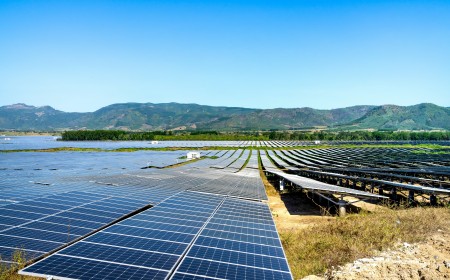
Further reinforcing the private sector's impact is its substantial contribution to the implementation of cutting-edge technologies. Companies are actively developing and deploying solutions such as expansive solar farms, which harness sunlight to generate clean energy, and innovative water-saving technologies designed to promote efficient water use. Through these efforts, the private sector is not just a financial contributor but also a key driver of technological advancement and sustainability in the movement toward a greener future.84
Civil society and academia
Non-profit organisations (NPOs) and non-governmental organisations (NGOs) play a pivotal role in bridging the gaps among business, government and academic sectors, with organisations such as GreenCape serving as essential ‘cluster agencies’. GreenCape excels in providing comprehensive market intelligence and tailored policy advisory services, significantly contributing to the establishment of the South African Renewable Energy Market (SAREM), where it functions as the secretariat.85 This involvement demonstrates its commitment to facilitating a smoother transition to sustainable energy solutions. Additionally, advocacy groups like Earthlife Africa are crucial players in the green transition, focusing on oversight and promoting environmental policies that encourage accountability and transparency.86
Research institutions, including the Council for Scientific and Industrial Research (CSIR) and leading universities, are fundamental to the R&D pipeline necessary for advancing sustainable technologies.87 However, a notable and persistent challenge exists in the form of insufficient collaboration between these research entities and the private sector. This disconnect hampers the effective translation of innovative academic research into commercially viable products and solutions that can be scaled to meet market demands.88
The effectiveness of this multifaceted ecosystem relies heavily on a selection of well-functioning, linked organisations that can facilitate collaboration. In the current context, there is poor coordination among various actors within the civil society and academia space, which can stall progress. The success of organisations like GreenCape highlights that addressing the implementation gap goes beyond mere policy creation. It requires a strategic focus on empowering institutions capable of building trust, sharing reliable data and fostering meaningful collaboration among government agencies, businesses and academic institutions. By nurturing these relationships, the civil society and academia space can thrive, leading to more effective solutions in the sustainable development arena.89
Summary and conclusion
South Africa's efforts to establish a green economy are part of a broader national development strategy. Foundational documents such as the National Development Plan (NDP) 2030 and the New Growth Path (NGP) outline a strategic vision to decouple economic growth from resource use and environmental degradation, while creating a competitive, resource-efficient and inclusive economy. This transition is supported by the Climate Change Act (2024), which requires that all government policies align with the goal of achieving a just transition to a low-carbon, climate-resilient economy.
The strategy for green tech transfer is implemented through a diverse but somewhat fragmented collection of policy and legislative frameworks. For instance, the Reimagined Industrial Strategy (RIS) and its master plans (e.g., SAREM) position ‘Greening the Economy’ as a key focus area. This strategy promotes localisation requirements, arising from previous iterations of the Industrial Policy Action Plan (IPAP) and the development of Special Economic Zones (SEZs) to encourage the transfer of manufacturing expertise from foreign direct investment (FDI) to local firms. The Just Energy Transition Investment Plan (JET-IP) serves as the core operational framework, targeting over R1 trillion in new investment. A notable feature is the initial USD 8.5 billion pledge, which acts as seed funding to de-risk projects and attract additional resources from both public and private sectors. Public research institutions like the Council for Scientific and Industrial Research (CSIR) and the Technology Innovation Agency (TIA) are responsible for enhancing local capabilities by commercialising technologies through licensing agreements and R&D partnerships.
This review focused on four critical sectors that reflect the country’s most pressing economic vulnerabilities and significant socio-economic opportunities: energy, water, agriculture and waste. For each sector, there is evidence (both explicit and implied) to suggest that South Africa has developed a comprehensive set of policies and legal instruments aimed at facilitating green tech transfer and ensuring a just transition. The success of the Renewable Energy Independent Power Producer Procurement Programme (REIPPPP) serves as a clear example of how public-private collaboration and performance requirements can effectively attract FDI to fund and implement new green infrastructure and technology.
However, this ecosystem faces significant challenges due to deep-seated policy conflicts, such as the tension between localisation requirements and the urgent need for rapid decarbonisation. Policies focused on social equity, such as local content requirements, may delay and increase the cost of the transition, creating a trade-off between social objectives and climate urgency. Additionally, regulations like the Protection of Personal Information Act (POPIA) can inadvertently create non-tariff barriers by imposing complex data obligations on foreign technology providers.
The potential of academic research and public innovation agencies is severely limited by insufficient funding for commercialisation and poor collaboration between research entities and the private sector. The capacity to absorb, adapt and scale transferred technology remains a crucial missing link, hindering the full realisation of technology transfer benefits in key policy areas. Policy success is primarily evaluated through development and transformation goals, while the measurement of environmental, social and governance outcomes often lags. To create a resilient and inclusive green tech ecosystem, South Africa must prioritise harmonising its policy landscape to minimise internal contradictions, expedite the translation of research into commercial products and strategically strengthen institutions that can foster trust and reliable data sharing among government, business and academia.
Endnotes
[1] UNEP. (2011). Towards a green economy: pathways to sustainable development and poverty eradication.
[2] Essel, S. K., et al. (2024). Could Africa leapfrog to a low-carbon future? Evidence on the nexus between environmental tax, foreign direct investment, resource dependence and technological progress. Journal of Environmental Management, 372, 123397.
[3] UNCTAD. (2016). World investment report 2016: investor nationality, foreign direct investment and sustainable development.
[4] UNCTAD. (2025, June 19). Africa: foreign investment hit record high in 2024.
[5] UNCTAD. (2025, June 19). Africa: foreign investment hit record high in 2024.
[6] Teklie, D. K., & Yağmur, M. H. (2024). The role of green innovation, renewable energy and institutional quality in promoting green growth: evidence from African countries. Sustainability, 16(14), 6166.
[7] UNEP and DFFE. (2020). Green economy policy review of South Africa's industrial policy framework. The Partnership for Action on Green Economy (PAGE) report. United Nations Environment Programme.
[8] Barnes, J. (2022). Divergent desires for the just transition in South Africa: An assemblage analysis. Political Geography: Volume 97
[9] Technology Innovation Agency, South Africa. (n.d.). Technology platforms.
[10] Adams & Adams. (2023, July 13). Navigating IP rights issues in the publicly financed research and development space. Retrieved 18 August, 2025
[11] Department: Forestry, Fisheries and the Environment. (n.d.). About green economy. Republic of South Africa.
[12] Global Infrastructure Hub, World Bank. (2021). South Africa's renewable energy IPP.
[14] Fine, B. (2012). Assessing South Africa's new growth path: framework for change? Review of African Political Economy, 39(134).
[15] Government of South Africa. (2011). New Growth Path: Accord 4 – Green Economy Accord. Pretoria: South African Government.
[16] Colegrave, A. (2024, December 12). Unpacking the South African Climate Change Act. White & Case LLP.
[17] Republic of South Africa. (2011). National climate change response policy white paper. Pretoria: Government Printers.
[18] Presidential Climate Commission. (n.d.). South Africa's just energy transition investment plan.
[20] Just Energy Transition. (n.d.). Implementing South Africa’s just energy transition.
[21] Republic of South Africa. (2019, May 23). Carbon Tax Act, No. 15 of 2019. Government Gazette No. 42483.
[22] UNEP and DFFE. (2020). Green economy policy review of South Africa's industrial policy framework. The Partnership for Action on Green Economy (PAGE) report. United Nations Environment Programme.
[24] Department of Trade and Industry. (2010). A South African trade policy and strategy framework. Republic of South Africa.
[25] ITAC is the body responsible for implementing trade policy.
[26] ITAC. (n.d.). An overview of ITAC.
[27] Department of Trade and Industry. (2010). A South African trade policy and strategy framework. Republic of South Africa
[29] Department of Trade, Industry and Competition. (2024, May). Industrial policy & strategy review. Republic of South Africa.
[30] Baker McKenzie. (2025, May 6). South Africa: upcoming tariff changes for the renewable energy sector – what you need to know.
[31] Department of Trade, Industry and Competition. (2024, May). Industrial policy & strategy review. Republic of South Africa.
[32] Department: Forestry, Fisheries and the Environment, Republic of South Africa. (n.d.). About green economy.
[33] Department of Trade, Industry and Competition. (2024, May). Industrial policy & strategy review. Republic of South Africa.
[34] Rennkamp, B., & Boyd, A. (2015). Technological capability and transfer for achieving South Africa's development goals. Climate Policy, 15(1), 12–29.
[35] Just Energy Transition. (n.d.). Our approach.
[36] Just Energy Transition. (n.d.). Our approach.
[37] Engie Impact. (2021, October 8). Feasibility study gives green light for South African hydrogen valley.
[38] Department of Trade, Industry and Competition. (n.d.). Special Economic Zone (SEZ). Republic of South Africa.
[39] Douw, W., Liu, Y., & Sabha, Y. (2020, May 1). Investment linkages and incentives: promoting technology transfer and productivity spillovers from foreign direct investment (FDI) (English). FCI in Focus Washington, D.C.: World Bank Group.
[40] Department of Trade, Industry and Competition (DTIC). (2024). A Guide to the DTIC incentive schemes 2024/25. Republic of South Africa.
[41] Department of Trade, Industry and Competition. (n.d.). Special Economic Zone (SEZ). Republic of South Africa.
[43] Hidayat, M. (2025, September 25). IDC funding boosts Steenkampskraal rare earths project in South Africa. Discovery Alert.
[44] Department of Trade, Industry and Competition (DTIC). (n.d.). Invest in South Africa country investment profile. [Brochure].
[45] Just Energy Transition. (n.d.). Our approach.
[46] Department: Forestry, Fisheries and the Environment, Republic of South Africa. (n.d.). About green economy.
[47] Department of Science and Technology, Republic of South Africa. (2019). White paper on science, technology and innovation.
[48] CSIR. (n.d.). CSIR C3. Intellectual property and technology transfer.
[49] CSIR. (n.d.). Converting waste to energy through fluidised bed processing.
[50] Mfeka, B. (2023, January). Advancing technology transfers for sustainable development in South Africa. United Nations economic commission for Africa (UNECA) survey report.
[51] World Bank Group. (n.d.). Climate-smart agriculture.
[52] National Planning Commission. (n.d.). National development plan: vision for 2030 - chapter 5.
[53] Adebiyi, A. A., & Moloi, K. (2024). Renewable energy source utilization progress in South Africa: a review. Energies, 17(14), 3487.
[54] CSIR. (2014). Steering towards a green economy.
[55] Department of Trade, Industry and Competition. (2024, May). Industrial policy & strategy review. Republic of South Africa.
[56] Presidential Climate Commission. (n.d.). South Africa's just energy transition investment plan.
[57] IP Office. (n.d.). Our programmes.
[58] Connolly, K. (2022, September 1). 5 lessons from South Africa's just transition journey. World Resources Institute.
[59] Just Energy Transition. (n.d.). Implementing South Africa’s just energy transition.
[60] Carmody, P., Grant, R., & Murphy, J. T., (2020). A green transition in South Africa? Sociotechnical experimentation in the Atlantis Special Economic Zone. Geography. 387.
[61] Khwidzhili, R. M., & Worth, S. H. (2017). Evaluation of policies promoting sustainable agriculture in South Africa. South African Journal of Agricultural Extension, 45(2), 73-85.
[62] Musvoto, C., Nortje, K., De Wet, B., Mahumani, N., & Nahman, A. (2023). Policy gaps and food systems optimization: a review of agriculture, environment and health policies in South Africa. Frontiers in Sustainable Food Systems, 7, 867481.
[63] Department of Science, Technology and Innovation. (n.d.). Policy brief.
[64] Winter, K. (2019, December 5). SA's new water and sanitation master plan. UCT News.
[65] Department of Science and Technology Department of Water and Sanitation. (2015, July). South Africa's water research, development, and innovation (RDI) roadmap: 2015-2025. Water Research Commission.
[67] Zhakata, E., Gundani, S. R., & Odeku, K. O. (2016). A critic of NEMA: Waste Act 59 of 2008, so many promises, little implementation and enforcement. International Journal of Research in Law, Management and Humanities, 4(1), 11-20.
[68] Department of Forestry, Fisheries and the Environment. (n.d.). National waste management strategy. Republic of South Africa.
[69] Department of Science and Technology. (2012). A national waste R&D and innovation roadmap for South Africa: phase 1 status quo assessment. Current and required institutional mechanisms to support waste innovation. Republic of South Africa.
[70] Presidential Climate Commission. (n.d.). South Africa's just energy transition investment plan.
[71] Cajee, A. (2025, September 2). Africa's energy transition: a review and a preview. African Business.
[72] Department of Trade, Industry and Competition. (2024, May). Industrial policy & strategy review. Republic of South Africa.
[73] Sustainable Energy For All (2024, August 7). Shaping trade policies to facilitate renewable energy manufacturing in Africa.
[74] Ettmayr, C., & Lloyd, H. (2016, May 20). The impact of local content rules in renewables sector questioned. Engineering News.
[75] Ettmayr, C., & Lloyd, H. (2016, May 20). The impact of local content rules in renewables sector questioned. Engineering News.
[76] Department: Forestry, Fisheries and the Environment, Republic of South Africa. (n.d.). About green economy.
[77] Department of Trade, Industry and Competition (DTIC). (n.d.). Green industries.
[78] Green Building Africa. (2025, August 4). South Africa's Renewable Energy Masterplan does not protect local industry from staged consignment concessions.
[79] South African Government. (n.d.). Science and innovation.
[80] GI Hub. (2021, January 25). South Africa’s renewable energy IPP. World Bank Public-Private Infrastructure Advisory Facility (PPIAF).
[81] Hertog, D. (2024). Financial and fiscal incentives applicable to South Africa's renewable energy sector. University of Cape Town (UCT) Faculty of Law.
[82] GI Hub. (2021, January 25). South Africa’s renewable energy IPP. World Bank Public-Private Infrastructure Advisory Facility (PPIAF).
[83] London Stock Exchange. (n.d.). Standard Bank – setting a sustainable standard.
[84] Doyer, O., & Singh, P. (2023). Private sector's vital role in shaping South Africa's energy future. ESI Africa.
[85] Green Building Africa. (2025, August 4). South Africa's Renewable Energy Masterplan does not protect local industry from staged consignment concessions.
[86] Earthlife Africa. (n.d.). Home.
[87] Parliamentary Monitoring Group. (2017, October 25). Green technologies and environment programmes: role of DST. [Committee Meeting Report].
[88] Mfeka, B. (2023, January). Advancing technology transfers for sustainable development in South Africa. United Nations economic commission for Africa (UNECA) survey report.
About the author

Taku Fundira
Taku Fundira is a research analyst with 15+ years in quantitative economic analysis, market research, trade & investment. An expert in agriculture, energy, mining & tech across Southern/East Africa.