Kleinkorruption: Untersuchung rechtlicher Lücken bei den Zielen für die Wasserversorgung und Abwasserentsorgung in informellen Siedlungen (EN)
Die Durchsetzung von Antikorruptionsgesetzen könnte nicht nur den Zugang für die 800.000 Bewohner der informellen Siedlung Kisumu verbessern, sondern auch die Korruption im kenianischen Wasser- und Sanitärsektor beseitigen.

Summary
-
Corruption leads to the misappropriation of a large portion (25-40%) of resources allocated for water and sanitation programmes in developing nations. This has a particularly severe impact on low-income areas, such as urban informal settlements or low-income areas. Kenya's anti-corruption commission has reported that over half of the annual non-revenue losses in its water sector are attributable to corrupt practices.
-
This study, while focused on Kisumu City, the capital of the County of Kisumu, where county policies and bylaws have influence, draws lessons for other cities in Kenya and beyond.
-
Despite comprehensive national frameworks to combat corruption and local policies and bylaws at the devolved county units, corruption remains a persistent challenge in the water and sanitation sector in Kisumu City.
-
Community perception mapping revealed the prevalence of corruption within the water and sanitation sector. Bribery was the most common form, accounting for 23% of cases, followed by fraudulent billing at 18%. Favouritism constituted 15% of reported instances, while manipulated service delays and both metre theft and extortion represented 11% and 10% respectively. The least common form of corruption was compromised surveillance or inspection, at 5%.
-
To reduce corruption in Kisumu's water and sanitation sector, the following are crucial: sensitisation on water and sanitation integrity, prioritisation of planned water and sanitation infrastructure in Kisumu low-income areas, and the development of new, and enforcement of existing, integrity bylaws and policies by the County Government.
Background
Corruption1, the most widespread of all integrity2 failures affecting the water and sanitation sector, manifested through elements such as bribes for connections, fraud, funds allocation to non-existent projects and embezzlement of funds. The Water Integrity Network (WIN) estimated 6%-26% of water and sanitation sector annual expenditure is lost due to corruption globally (WIN, 2022). In Kenya, the Ethics and Anti-Corruption Commission (EACC) and the 2022 Water Services Regulatory Board (WASREB) report revealed that Kenya loses USD 78.4 million annually due to mismanagement and corruption, with 34% of the counties registering more than 50% of non-revenue water losses. Corrupt practices have long-term and often hard-to-reverse negative impacts on cities, thus counting among urban problems that significantly hinder sustainable investment in water and sanitation. This aggravates the cycle of poverty in developing countries, especially where there are urban informal settlements (Transparency International, 2025; WHO, 2021). In informal settlements, petty corruption thrives while residents are often less empowered to handle grand corruption perpetrated by influential agents/agencies.
Corruption in urban low-income areas may be attributed to the informality of these communities, and vice versa (Sekijege et al, 2014). Studies in Kisumu City3 have shown that access to water and sanitation in urban informal settlements is jeopardised by non-compliance to by-laws fuelled by impunity and neglect by local authorities who view low-cost areas as ‘illegal establishments’ where formal services are rarely prioritised. In many Kisumu low-cost areas, this mentality has perpetuated poor planning programmes, favouritism and neglect, all of which expose residents to petty corrupt practices.
In the Kisumu City informal water and sanitation sector, petty corruption persists in low-cost areas due to a lack of regulations that address corruption. This happens even though corruption in Kenya, and Kisumu low-cost areas in particular, is fought at both the national level through various legislative and institutional frameworks, boards and committees, and at the local level through Kisumu County policies and bylaws. However, these have shown weaknesses in handling informal transactions.
This policy brief investigates both grand and petty corruption in the provision of water and sanitation in the urban informal settlements of Kisumu City, and the extent to which policy gaps give rise to corrupt practices in the water and sanitation sector in the low-cost areas. The brief provides recommendations to address the identified policy gaps and measures to enhance integrity in the sector.
Data collection and analysis
Data for this research study was collected through participatory techniques involving community interviews, key informant interviews (KIIs) and focus group discussions (FGDs) with members drawn from the six most populous informal settlements of Kisumu City: Nyalenda A, Nyalenda B, Manyatta A, Manyatta B, Obunga and Nyamasaria. Kisumu was chosen as the city has the largest population living in urban informal settlements (about 60%) in Kenya with most of its informal settlements considered extremely vulnerable to social and environmental shocks (Kisumu County Integrated Development Plan [CIDP], 2023). Participants were randomly selected with the help of community guides and local government administrators as well as through desktop reviews. Sixty-two members took part in community interviews between April-May 2025, while 12 members4 participated in the FGDs. To assess the extent to which corruption impacts water and sanitation investment in informal settlements, key overarching qualitative questions were devised to gauge the perception of community members. In addition, ground surveys to map facilities were undertaken, whereby the type, state of protection and extent of vulnerability to environmental shocks of 334 sanitation facilities and 88 water points in the six low-cost areas were surveyed and documented to assess their structural integrity.5
Identifying forms of corruption through a community lens provides reliable, evidence-based data which aligns with the four criteria highlighted by the United Nations Development Programme (UNDP) participatory research methodologies (Telleria, 2021) as well as the WIN four pillar TAPA6 strategy which includes stakeholder engagement and feedback mechanisms.
Figure 1: Map of Kisumu City showing the main informal settlement areas and the settlement patterns
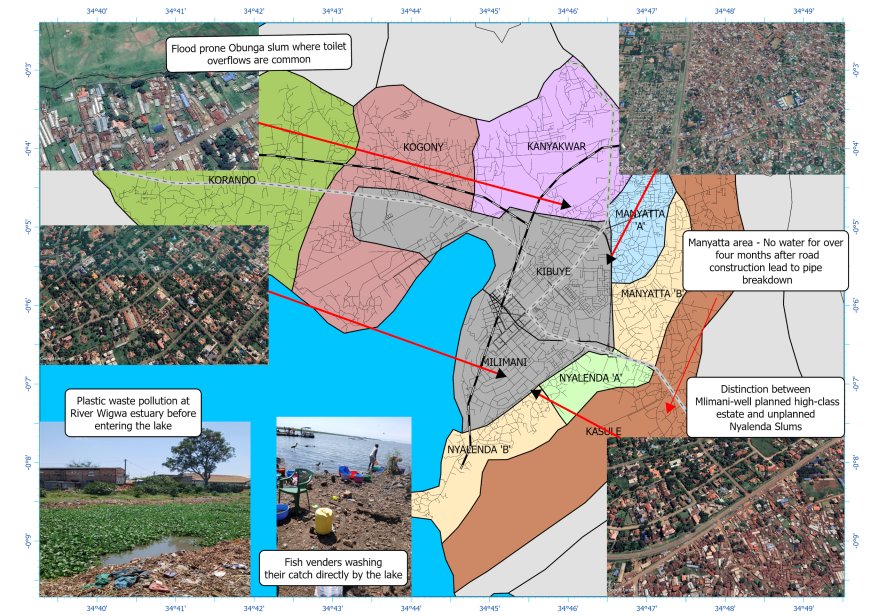
Note: The map details the key settlements of Nyalenda A, Nyalenda B, Manyatta A, Manyatta B, Obunga and Nyamasaria. The map is overlain with contrasted images of the settlements as well as existing water and sanitation challenges in the city.
Key findings for policy discourse
Based on the data collected and analysed for this study, patterns within the different informal settlements were assessed while citywide observations were documented as lessons for Kisumu and other cities facing similar challenges. The discussions fall within three thematic focus areas: 1. forms of corruption, 2. policy gaps that fuel corruption in the water and sanitation sector, and 3. the role of corruption in promoting substandard water and sanitation facilities.
Forms of corruption
It was apparent that the community in Kisumu generally understands corruption and its consequences. During interviews and focus group discussions (FGD) sessions, community members were able to identify practices they considered as corrupt, referring to them in Swahili and local Dholuo languages as ‘hongo’ and ‘mibadhi’, respectively. Most of the community members demonstrated significant knowledge and awareness of expected hygienic practices in their neighbourhoods. However, they reported that only a few in the community live by these expectations. For instance, the prohibitions on illegal dumping or requirements for community members to observe high standards of hygiene were well articulated during interviews. However, an in-depth analysis of responses shows that the majority view corruption laws and policies as applicable to matters of grand corruption at the national or institutional level but ineffective at the grassroots and informal levels. Some even indicated that the laws only hold those in government or employed in formal government institutions to account.
These challenges are exacerbated by the fact that Kisumu City’s informal settlements have faced years of neglect (some members of the FGD citied political marginalisation, since the city has long been considered an opposition stronghold) with minimal government-led low-cost areas upgrade and planning programmes, especially in water and sanitation service provision. As a result, corruption and other integrity failures thrive in the city’s informal settlements.
Various forms of corrupt practices were reported (Figure 2), including bribery for services such as water connection, fraudulent billing, favouritism when seeking assistance and metre theft. Other corrupt practices include extortion through hiked charges and compromised surveillance based on favours. In addition, residents reported long wait-times following their requests for services, especially if they did not pay upfront.
Figure 2: Assessment of forms of corrupt malpractices in water and sanitation service delivery in Kisumu City
Residents perceive practices such as irregular water rationing or disconnections without notice as acts of extortion, abuse of power and deliberate state neglect. They view the inability of utility companies to engage consumers as an integrity failure. FDGs revealed a profound sense of marginalisation regarding water and sanitation services. Years of state neglect have fostered a sense among consumers that they are ‘second-class citizens’ and expected to accept ‘unfair practices’ as normal, while the same cannot be allowed in Milimani (a middle-class neighbourhood). In some instances, service providers take too long to respond to reported issues such as ‘dirty water in taps’, ‘leaking pipes’, ‘dry pipes’ or sometimes ‘fish fingerlings (omena) in tap water’, leading to non-revenue losses to the company and risks to public health. More importantly, the informal community reported a need for a credible and transparent complaint reporting framework if they are to be counted as truly valued customers who pay bills like the rest.
Policy gaps that fuel corruption in the water and sanitation sector
Corruption in Kenya is addressed at both the national and county levels through various policies and legislation (Table 1).7 Nevertheless, petty corruption persists in the informal water and sanitation sector, raising questions about the policies’ effectiveness and lack of enforcement. While national policies and laws should cascade countrywide to include devolved county units who oversee the water and sanitation services in their urban zones, the study revealed significant limitations in addressing corruption at the community level. Low-cost areas residents generally perceive anti-corruption laws and institutions such as the Ethics and Anti-Corruption Commission (EACC) (Table 1) as primarily targeting high-level institutional corruption. Similarly, regulatory bodies such as the Water Services Regulatory Board (WASREB) focus solely on utility companies and lack mechanisms to tackle grassroots integrity issues like extortion and illegal street vending. Consequently, many informal settlements believe that ‘it is easier to get certain services through bribery, since nothing will happen to you’. Policy gaps lead to price gouging by vendors, who inflate water prices during dry seasons and periods of rationing. The informality of the low-cost areas also play a role in hindering enforcements of national and county policies and laws/by-laws. For instance, some informal settlement areas have limited road accessibility, and makeshift structures predominate with little or no space left to lay water pipelines or sewer lines for waste collection. It is therefore challenging for authorities to enforce sustainable plans or regulations. Due to these conditions, informal, unregulated water and sanitation services thrive, promoting illegal and corrupt practices.
It is important to note that the Kisumu Water and Sanitation Company (KIWASCO)8 has an established code of conduct that governs the behaviour of its staff. As in other utility companies, they are expected to discharge their duties transparently, fairly and without favour. However, a lack of proper community whistleblowing/reporting structures has contributed to the perceived impunity and continued malpractices of utility staff, especially technicians and metre readers. In addition, the lack of a strong governance framework in the informal water sector has given room for unscrupulous vendors who take advantage of these gaps to extort consumers through acts such as irregular disconnections and bribery for services.
Table 1: Kenya’s existing anti-corruption policy framework with relevance to water and sanitation integrity
| Instruments | Focus on integrity and corruption |
| Kenya Vision 2030 |
|
| Constitution of Kenya (2010) |
|
| Water Act (2016) (amended through the Water Amendment Bill, 2023) |
|
| Public health Act (2012) |
|
| Environmental Management and Coordination Act (1999, 2012) |
|
| National Environment Health and Sanitation Bill (2023) |
|
| The Sustainable Waste Management Bill (National Assembly Bills No. 22) (2021) |
|
| The Kisumu County Environmental Health and Sanitation Act (2021) |
|
| Anti-Corruption and Economic Crimes Act (2003, amended 2023) |
|
| Public Procurement & Asset Disposal Act (2015) |
|
| Bribery Act (No. 47 of 2016) |
|
| Leadership and Integrity Act (2012) |
|
| Kenya Environmental Sanitation and Hygiene Policy (2016-2030) |
|
| Kisumu County Integrated Development Plan (CIDP) |
|
Source: Author sourced from secondary sources (2025)
Another key finding was the absence of specific water and sanitation anti-corruption or integrity laws to regulate the urban informal water and sanitation sector in Kisumu City and the wider Kisumu County. This has enabled unethical vendors to overcharge. Additionally, the study noted some utility technicians exploit community reporting lacuna and anti-corruption policy loopholes to unfairly disconnect services and solicit bribes for mandated tasks.
Role of corruption in promoting substandard water and sanitation facilities
The Joint Monitoring Programme (JMP) (UNICEF/WHO 2024) provides guidelines for improved and non-improved drinking-water source and sanitation facilities.9 Substandard facilities are weak and unable to withstand environmental extremes like flooding and as a result may easily collapse (fail) or overflow, thereby contaminating nearby water sources (Aidoo, 2013).
The study established that weak regulatory frameworks, a lack of proper inspection schedules and inadequate city by-laws in the informal water and sanitation sector contribute significantly to the substandard delivery of services and infrastructure. It was reported that public health inspectors rarely visit low-cost areas, likely out of fear of the chaotic experience. Reports from some FGD respondents indicated that some informal settlements ‘may go for years without seeing public health officials inspecting hygiene’. Some respondents further reported that public health officials and inspectors avoid low-cost areas due to the perceived ‘low potential for bribes’. This apparent lack of oversight and enforcement of standards severely affects residents' quality of life and allows unfair water and sanitation practices in low-cost areas to go unreported, while offenders face minimal accountability. For example, poor toilet facilities like traditional pit latrines (TPLs) are still prevalent in low-cost areas. During floods, these facilities often overflow, intensifying outbreaks of waterborne diseases (Okotto-Okotto, 2015).
Interview reports indicate that corruption happens among not only state actors but also consumers of services. Despite expecting integrity from government authorities and utility companies, residents exploit surveillance loopholes with little fear of sanctions, since public health officers rarely visit and inspect low-cost areas and are susceptible to bribes. Some respondents reported first-hand bribery involving enforcement officers by some residents of the informal settlements, in order that they be allowed to locate their toilets in violation of the safe distances recommended by the WHO (see Table 2), which recommends a 30 m proximity rule for toilets and shallow wells (WHO, 2017). Approximately 32% of TPL facilities surveyed were within a 15 m radius of the nearest water sources (Figure 3), putting them under high risk of contamination.
Table 2: The level of water dependence on, and proximity10 densities of pit latrines to shallow wells in Kisumu City informal settlements areas.
| Settlement | Pit latrines sampled | Shallow wells sampled | Shallow well protection | Percent using well water for cooking | Proximity density (how many toilets are within a 30 m radius of a shallow well) |
| Nyalenda A | 72 | 17 | 1 (6.0%) | 10 (58.8%) | 4.1 |
| Naylenda B | 50 | 24 | 6 (26.1%) | 15 (62.5%) | 2.4 |
| Manyatta A | 43 | 7 | 6 (85.7%) | 1 (14.2%) | 4 |
| Manyatta B | 63 | 14 | 5 (35.7%) | 3 (21.4%) | 6.4 |
| Obunga | 74 | 22 | 5 (22.7%) | 3 (13.6%) | 4.8 |
| Nyamasaria | 32 | 4 | 7 (78.9%) | 4 (100%) | 1 |
| Total/Mean | 334 | 88 | 30 | 36 | 3.8 |
Author’s construct (2025)
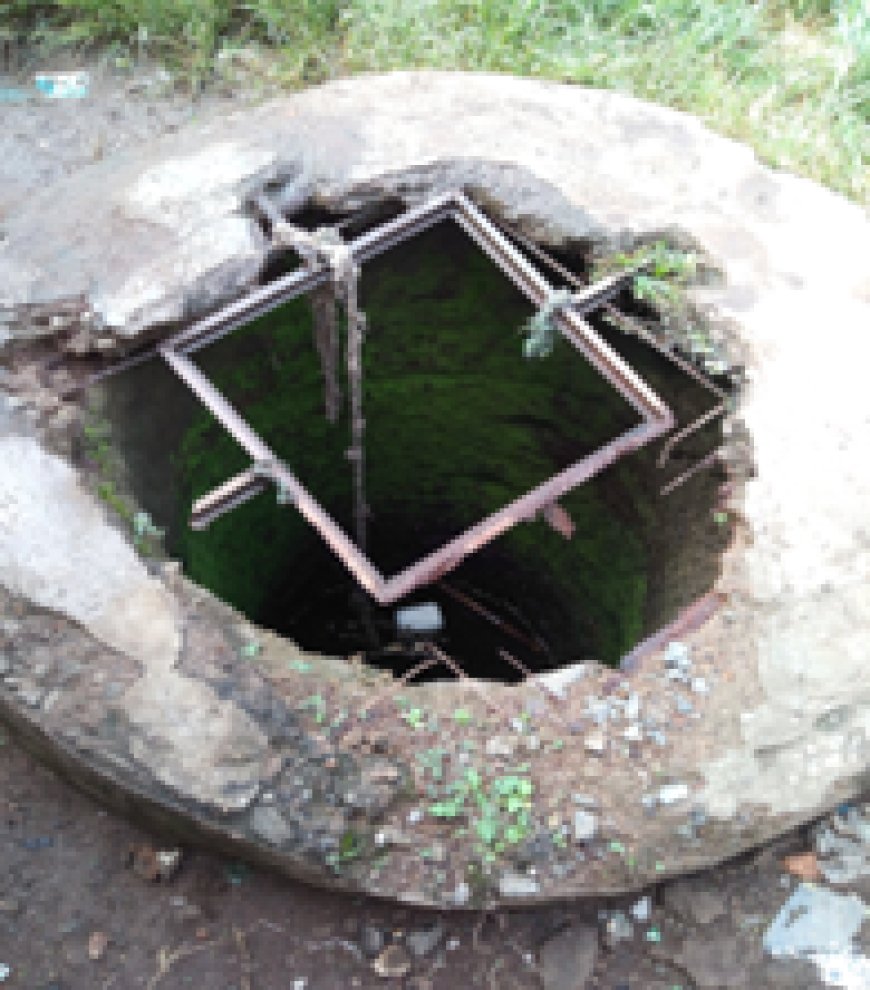
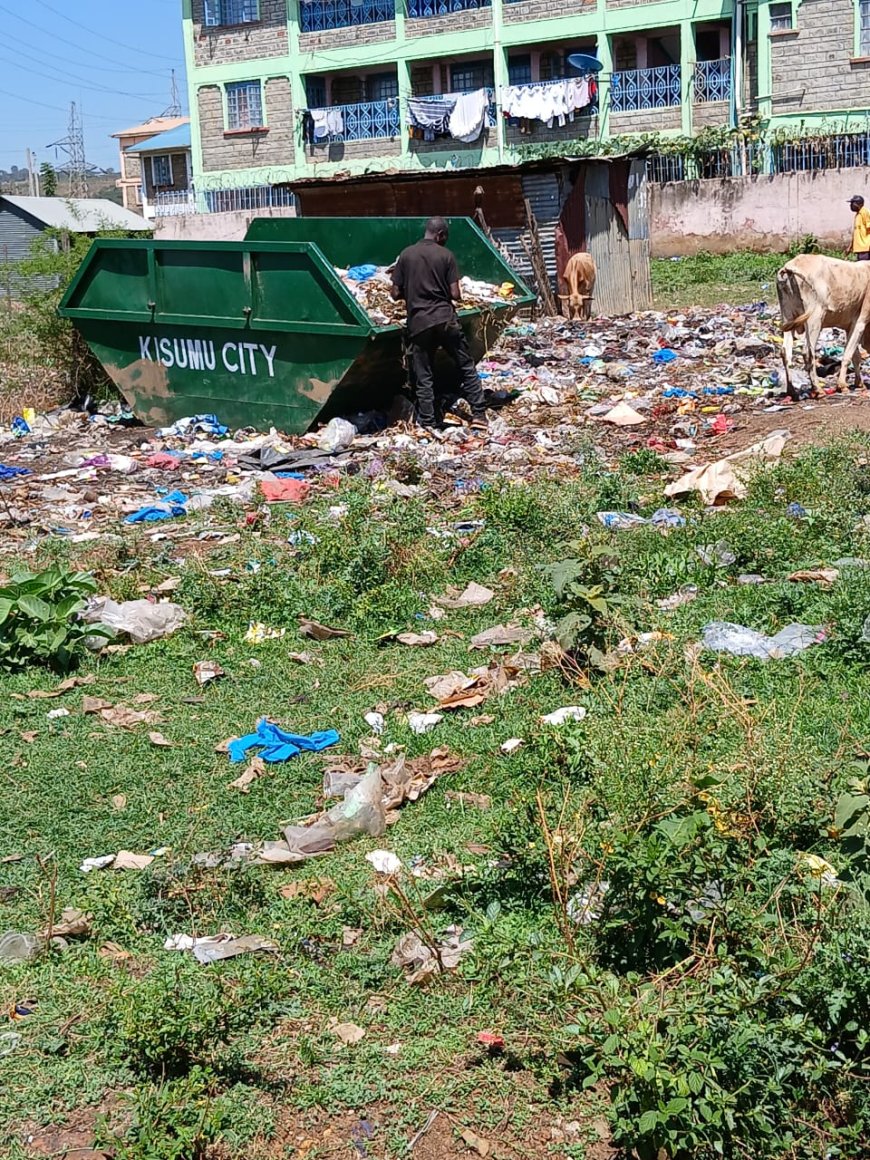
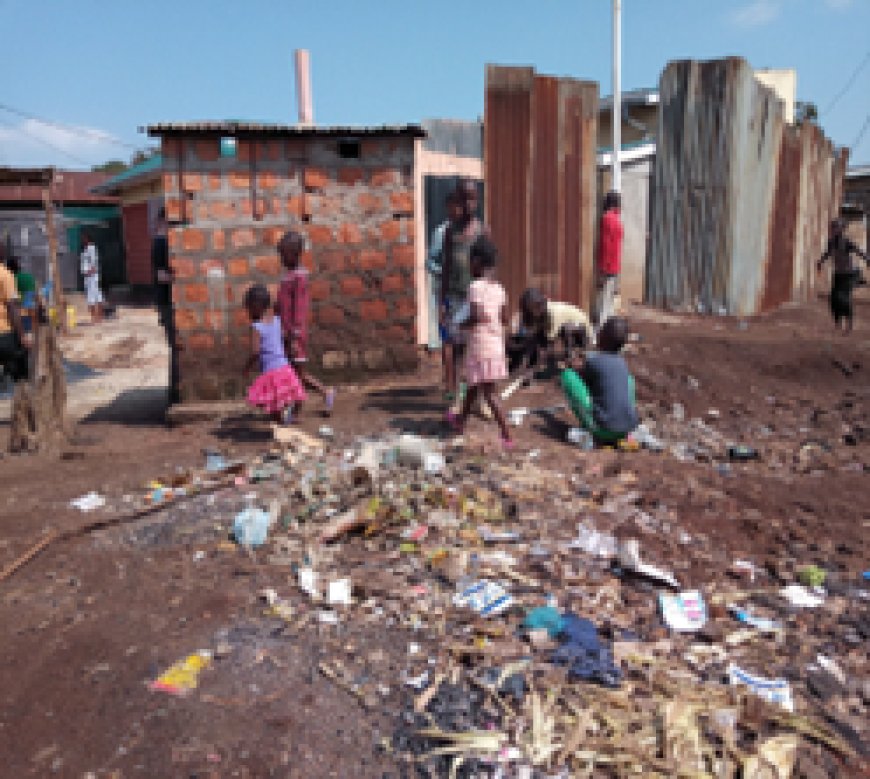
Figure 3: Types of water and sanitation facilities and hygiene challenges in Kisumu City low-cost areas
Policy Recommendations
- To achieve the Sustainable Development Goal 11 of making cities and human settlements inclusive, safe, resilient and sustainable, and to eliminate the informality and poor living conditions which this study has identified as a precursor to petty corruption in urban low-cost areas, this study recommends a concerted effort to improve informal settlement planning and living conditions, including those related to critical infrastructure such as roads/access roads and piped water and sewer lines. This will enhance formality and integrity and eliminate informal deals such as water vending, middlemen and favours in access to water and sanitation. As city planning is a devolved function, the Kisumu County Government has the lead role in this respect.
- To effectively combat corruption and integrity failures within Kisumu's informal water and sanitation sector, and in recognition of the key finding that existing national anti-corruption measures primarily address grand corruption but fail to deal with petty corruption, this study recommends the County Government enact a specific water and sanitation integrity policy focused on combating petty corruption at the grassroots community level. Through such a policy, integrity issues and corruption in the sector should be clearly identified. The policy should facilitate reporting and whistleblowing, enforce penalties, and implement structures of dissemination to low-cost areas communities. As with city planning, Kisumu County has a unique opportunity to lead in this area.
- To combat threats to community health and safety, the County Government should enhance surveillance to overcome substandard facilities. While surveillance/inspection programmes may exist on paper, their enforcement and strict adherence need significant improvement. The study reveals that compromised inspection programmes contribute to the persistence of inadequate sanitation facilities, risky water sources and unhygienic practices in low-cost areas, often with impunity. The County Government should allocate appropriate budgets during county budgeting processes and establish strict schedules (e.g., quarterly or biannual reports) and accountability measures for inspectors/enforcement officers, especially those working in low-cost areas.
- To enhance inclusivity and stakeholder participation in water and sanitation service provision, KIWASCO should enforce existing stakeholder participation frameworks under WASREB11 regulations and develop additional comprehensive feedback mechanisms/policies to build customer confidence and align with statutory requirements. In addition, stakeholder engagement plans should detail key stakeholders at various scales, i.e., local, national or international; state or non-state; private or public. The plan should also detail programmes for awareness/public education on existing regulations/standards, feedback channels and complaints’ enforcement. Stakeholders should be empowered to provide fair and free periodical feedback on the performance of KIWASCO. In the present arrangements, WASREB regulations require KIWASCO to demonstrate the inclusion of consumers, but this is mostly limited to participation in dissemination workshops. By these efforts, KIWASCO could eliminate loopholes that foster corruption.
- County authorities should develop a community-driven tool for reporting corruption and integrity failures, one specifically targeting informal settlements in Kisumu and which has capacity for scalability. Current tools12 for reporting/tracking fraud are primarily focused on water system management and lack customer-centric approaches. Significant gaps remain in grassroots corruption tracking and whistleblowing. Once a reporting framework is established to effectively combat petty corruption in the low-cost areas, the community will be empowered to oversee utility companies and service provision in their jurisdictions. The proposed tool must prioritise the needs of clients and customers, rather than utility companies.
- To KIWASCO and the County Authorities, the study recommends complete adherence to staff codes of practice, especially for technicians who interact with community members daily and should be empowered to uphold professionalism and standards while discharging their duties. This will help safeguard against corrupt activities among staff. While utility companies have codes of conduct, a lack of enforcement coupled with weaknesses in whistleblowing and a community which is not empowered to report13 continues to fuel these unjust practices.
- To ensure that authorities are held accountable for the provision of quality and affordable services for residents, especially in informal settlements, communities should be empowered to organise themselves through the formation of user groups. This will enable communities to hold those in authority accountable for service delivery performance and clamp down on criminality and corrupt practices. An alignment of mandates, clarity on roles and levels of authority between KIWASCO, the County Government and WASREB is required to ensure user protection and effective communication between communities and service providers. It should be clear which authority is accountable for the consequences of corruption in a community. Currently, communities may not know whether to report their challenges to KIWASCO, the oversight authority (the County Government of Kisumu) or the regulator (WASREB).
Endnotes
[1] According to the United Nations Office on Drugs and Crime (UNODC) (2024), corruption is defined as the compromise of public good, such as water connections, through dishonesty, deceit and unethical behaviour for personal, professional or political gains or power.
[2] The Water Integrity Network (WIN), a global water integrity champion, defines integrity as the use of vested powers and resources ethically and honestly for the delivery of sustainable and equitable water and sanitation services in the public interest (WIGO, 2021) making corruption a critical element of integrity failure.
[3] E.g., Othoo et al., (2021) and Simiyu et al, (2017).
[4] Two members were drawn from each of the six settlements.
[5] In the context of this study, structural integrity refers to the general quality, condition and suitability-for-purpose of sanitation and water facilities in line with the standard descriptions of improved facilities described by the WHO (WHO, 2017). Facilities that do not meet the structural integrity test are weak and unable to withstand environmental extremes like flooding. As a result, they may easily collapse (fail) or overflow, thereby contaminating nearby water sources.
[6] Transparency, Accountability, Participation and Anti-corruption (TAPA). https://www.waterintegritynetwork.net/integrity-management-integrity-tools
[7] The main national-level anti-corruption frameworks affecting the water and sanitation sector include the Anti-Corruption and Economic Crimes Act (2003), the Bribery Act (2016) and the Public Procurement and Asset Disposal Act (2015), alongside several national-level institutions established through parliamentary acts and policies, such as the Kenya Ethics and Anti-Corruption Commission (EACC) and the Water Services Regulatory Board (WASREB), which are responsible for enforcing standards, transparency and best practices in water and sanitation.
[8] KIWASCO operates as a commercial utility providing services directly to residents. The County Government of Kisumu through the County Department of Water, Environment & Natural Resources oversees operations and strategic direction (county governments have a mandate over devolved water and sanitation services). The County Government appoints board members, ensures regulatory compliance and sets policy for water provision in the region. KIWASCO also operates within the provisions and guidelines of the WASREB and Water Act.
[9] Improved drinking-water source facilities are those that, by the nature of their construction, are protected from outside contamination, e.g., faecal matter. Protected water sources are covered to prevent the entry of physical, chemical and biological contaminants into the water. On the other hand, improved sanitation facilities are those that sufficiently retain and convey human and other biological waste safely to the point of handling or disposal.
[10] Proximity density was calculated as the average number of toilets found within 30 m of a shallow well. Spatial analysis buffering techniques were used to count the number of facilities within a 30 m radius of water points.
[11] WASREB regulations offer provisions for full stakeholder participation and consultation, especially through annual general meetings and budgeting presentations. Again, the County Government, through the Department of Water, Environment & Natural Resources, must also uphold the principles of citizen participation as required in the Kenyan constitution.
[12] E.g., the Water Integrity Network (WIN)'s Integrity Management Toolbox for Small Water Supply Systems (IMT-SWSS)
[13] Community members could establish community user groups through whom they may directly voice and report corruption and other related vices to oversight authorities such as the Department of Water, Environment & Natural Resources of Kisumu County and WASREB’s complaints portal. By these efforts, KIWASCO would be obliged to foster user group engagements.
Bibliography
Aidoo, A. E. (2013). Effect of pit latrines on dug-well water quality: A case study of the Asankrangwa community in the Wassa Amenfi West District of Ghana [Master’s thesis, Kwame Nkrumah University of Science and Technology]. http://dspace.knust.edu.gh/bitstream/123456789/6179/1/AIDOO%20ABEKAH%20ERNEST.pdf
County Government of Kisumu. (2018). Kisumu County Urban Institutional Development Strategy (CUIDS), Kisumu City 2018–2019. https://www.kisumu.go.ke/wp-content/uploads/2019/08/Kisumu-County-Urban-Institutional-Development-Strategy-CUIDS-2018-2019-final.pdf
Dovey, K., Pafka, E., van Oostrum, M., Shafique, T., & Chatterjee, I. (2023). Informal settlements are where cities are made. Pursuit, University of Melbourne. https://pursuit.unimelb.edu.au/articles/informal-settlements-are-where-cities-are-made
Okotto-Okotto, J., Okotto, L., Price, H., Pedley, S., & Wright, J. (2015). A longitudinal study of long-term change in contamination hazards and shallow well quality in two neighbourhoods of Kisumu, Kenya. International Journal of Environmental Research and Public Health, 12(4), 4275–4291. https://doi.org/10.3390/ijerph120404275
Plummer, J., & Cross, P. (2006). Tackling corruption in the water and sanitation sector in Africa. In J. E. Campos & S. Pradhan (Eds.), The many faces of corruption (pp. 221–247). World Bank. http://documents.worldbank.org/curated/en/266671468003899417
United Nations Children’s Fund, & World Health Organization. (2024). Progress on household drinking water, sanitation and hygiene 2000–2022: Special focus on gender. World Health Organization. https://data.unicef.org/resources/jmp-wash-in-health-care-facilities-2024/
Water Integrity Network. (2023). Dealing with water service delivery challenges in informal settlements: The case of Sedapal in Lima, Peru. https://www.waterintegritynetwork.net/post/sedapal-case-study-corruption-water-tankers
World Health Organization. (2017). Fact sheet on simple pit latrines. In Fact sheets on environmental sanitation (pp. 17–28). World Health Organization. http://www.who.int/water_sanitation_health/hygiene/emer-gencies/fs3_4.pdf
About the Author

Dr. Calvince Othoo
Dr. Calvince Othoo is an environment and climate change scientist with research interests at the intersection between climate resilience and urban infrastructure development. He is a Lecturer at the Co-operative University of Kenya. Dr. Othoo was awarded a SMUS-APRI Urban Africa Postdoctoral Research Scholarship in 2025, and as part of the scholarship, he undertook a three-month research stay at the Water Integrity Network in Berlin.
The Global Center of Spatial Methods for Urban Sustainability (SMUS) is funded by the German Academic Exchange Service (DAAD) with funds from the German Federal Ministry for Economic Cooperation and Development (BMZ).