BERLIN, GERMANY, (30 April 2026) – A new generation of African youth-led startups is working to address the continent's interconnected challenges of climate change, resilient economic growth, and widespread youth unemployment by powerfully blending green technology with Indigenous knowledge. According to three new reports from APRI - Africa Policy Research Institute, in partnership with the Mastercard Foundation, these innovative ventures are the key to a sustainable economy, but they require coordinated support to succeed.
While UNCTAD finds Sub-Saharan African countries among the least prepared to adopt frontier green technologies, the reports highlight a dynamic shift driven by young entrepreneurs in Ghana, Kenya, and Nigeria who are developing locally relevant solutions. These startups are creating critical climate solutions, from e-mobility to solar mini-grids and climate-smart agriculture, and their growing businesses are also generating jobs for the continent's largest demographic.
The three reports, focusing on Ghana's climate-smart agriculture sector, Kenya's e-mobility sector, and Nigeria's solar mini-grid sector, reveal that while market conditions differ, young innovators face similar systemic barriers across all three nations: limited inclusion in policymaking, inaccessible financing, significant skills gaps, and fragmented government support.
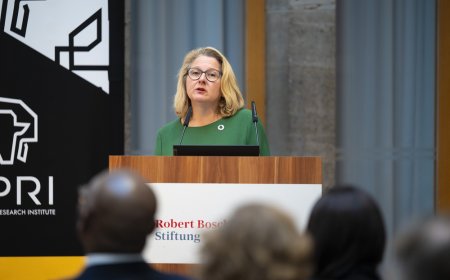
“The fresh findings unearthed by our study show that more needs to be done to link youth employment creation and entrepreneurship. It highlights various opportunities for improving policy coherence through increased dialogue between policymakers, practitioners, researchers and local populations,” says Dr. Serwah Prempeh, Head of APRI's Just Green Technology Transition Programme. “Clearly, African green tech startups need systemic, African-led interventions. We call on policymakers, development partners, and the private sector to implement youth-responsive policies that equip young people with the skills and financing to innovate, scale, and access decent work.”
A crucial, yet underutilised, asset in this transition is Africa's rich Indigenous knowledge. The reports argue that integrating this local wisdom into modern innovation is essential for creating solutions that are both environmentally and socially sustainable. When recognised, valued and intentionally harnessed, Indigenous knowledge can ground innovation in local realities, accelerate market uptake, and unlock new pathways for sustainable employment for the region's vast youth population.
These reports outline a clear roadmap for policymakers, educators, and investors, calling for a multi-pronged approach:
- Curriculum Integration: Incorporate Indigenous knowledge into university and Technical and Vocational Education and Training (TVET) programs.
- Collaborative Opportunities: Create formal channels for young innovators to partner directly with traditional knowledge holders.
- Targeted Support: Establish incubation and accelerator programs designed to foster these unique partnerships.
- Intellectual Property Protection: Strengthen legal frameworks to safeguard Indigenous knowledge and ensure equitable benefit sharing from its commercial use.
About APRI
APRI is a nonpartisan, independent think tank that researches key policy issues affecting Africa and its countries. APRI aims to provide insights into the policy-making processes of Germany and the European Union on African affairs. APRI also offers policy options to African leaders and civil society actors.
About the Mastercard Foundation
The Mastercard Foundation is a registered Canadian charity and one of the largest foundations in the world. It works with visionary organisations to advance education and financial inclusion to enable young people in Africa and Indigenous youth in Canada to access dignified and fulfilling work. Its Young Africa Works strategy aims to enable 30 million young people to access dignified and fulfilling work by 2030, while its EleV Program will support 100,000 Indigenous youth in Canada to complete their education and transition to meaningful work aligned with their traditions, values, and aspirations.
Established in 2006 through the generosity of Mastercard when it became a public company, the Foundation is an independent organisation. Its policies, operations, and program decisions are determined by its Board of Directors and Leadership team.
Project contact:
Dr. Serwah Prempeh
Senior Fellow and Head of the Just Green Technology Transition Program
Media Contact:
Vincent Reich
Email: press@afripoli.org
This press release was produced in the context of the Green Technology for Green Growth: Barriers and Drivers Project (2023 - November 2025) in partnership with the Mastercard Foundation. The views expressed do not necessarily represent those of the Foundation, its staff, or its Board of Directors.