

Einbeziehung von Klimaschutzmaßnahmen in die Arbeit des nigerianischen Bundesministeriums für Industrie, Handel und Investitionen (EN)
Erfahren Sie, wie das nigerianische Handelsministerium den ökologischen Wandel vorantreiben kann, indem es Industrie-, Handels- und Investitionspolitik mit Klimaschutzmaßnahmen in Einklang bringt, um eine nachhaltige und widerstandsfähige Wirtschaft zu schaffen.
Summary
- Despite Nigeria’s climate commitments and policies (e.g., Climate Change Act, NDCs, Energy Transition Plan), the Federal Ministry of Industry, Trade & Investment (FMITI) has only minimally incorporated climate objectives into trade and industry policies, highlighting the urgent need for alignment and coherence.
- The report identifies clear opportunities for integrating climate action to enhance economic growth, competitiveness, and job creation, through green industrial policies, renewable energy promotion, sustainable trade practices, circular economy initiatives, and access to international climate finance.
- Significant obstacles include policy misalignment, weak inter-agency coordination, infrastructure deficits, constraints in accessing climate finance, low climate awareness, and vested interests resisting energy transition.
- The report calls for FMITI to develop a national green industrial framework, improve infrastructure, design green financial instruments in collaboration with key government and private stakeholders, enforce climate policy compliance, build institutional capacity, and foster public-private partnerships to drive sustainable trade and industry development.
- A detailed action framework is proposed, drawing lessons from South Africa’s Department of Trade, Industry and Competition (DTIC), emphasizing the importance of cross-government collaboration, private sector engagement, and international best practices to position Nigeria for a just energy transition, and sustainable economic transformation.
Introduction
Climate change represents one of the most significant challenges of the 21st century, with profound implications for economic development, environmental sustainability and social well-being. Nigeria, as Africa's most populous nation and one of its largest economies, is particularly vulnerable to the adverse effects of climate change. The country's key economic sectors—industry, trade and investment—contribute to and are affected by climate change, making the integration of climate action into these sectors imperative.
Despite Nigeria's commitments to international agreements and the enactment of national policies, there is a noticeable gap in mainstreaming climate considerations into the operations of the Federal Ministry of Industry, Trade and Investment (FMITI). This gap poses risks not only to Nigeria's environmental objectives but also to its economic competitiveness and sustainable development goals.
Research Problem
The central challenge addressed in this report is the limited integration of climate action into the FMITI's policies and initiatives. Specifically, the research seeks to answer the following questions:
- What are the obstacles preventing the effective mainstreaming of climate action within Nigeria's FMITI?
- How can these challenges be overcome to align the ministry's operations with national and international climate commitments?
Objective of the Report
This report aims to provide a comprehensive guide for the FMITI to:
- Identify and understand the challenges hindering the integration of climate action into its operations.
- Explore the opportunities that climate mainstreaming presents for industry, trade and investment.
- Offer actionable recommendations and policy options that are feasible within Nigeria's political and administrative context.
- Stimulate policy debate and encourage collaborative efforts among stakeholders to achieve sustainable economic development.
By addressing these objectives, the report seeks to contribute to Nigeria's efforts in meeting its climate commitments while fostering economic growth and enhancing the well-being of its citizens.
Background and Context
Global climate discourse and Nigeria's commitments
Climate change poses significant risks to economic sectors worldwide, Nigeria is no exception. Understanding Nigeria's position within the global climate landscape is essential for mainstreaming climate action into the FMITI. In response to the global climate crisis, Nigeria has committed to various international agreements and organizations; this directly influences its domestic policies and strategies in industry, trade and investment.
United Nations Framework Convention on Climate Change (UNFCCC)
Nigeria has been a Party to the UNFCCC since 1994, actively participating in global efforts to address climate change. The UNFCCC sets an overarching framework for intergovernmental efforts to tackle climate challenges, requiring member countries to develop and implement strategies for reducing greenhouse gas emissions and adapting to climate impacts. The Paris Agreement of 2015 is a landmark international treaty within the UNFCCC framework which aims to limit global warming to well below 2° Celsius.
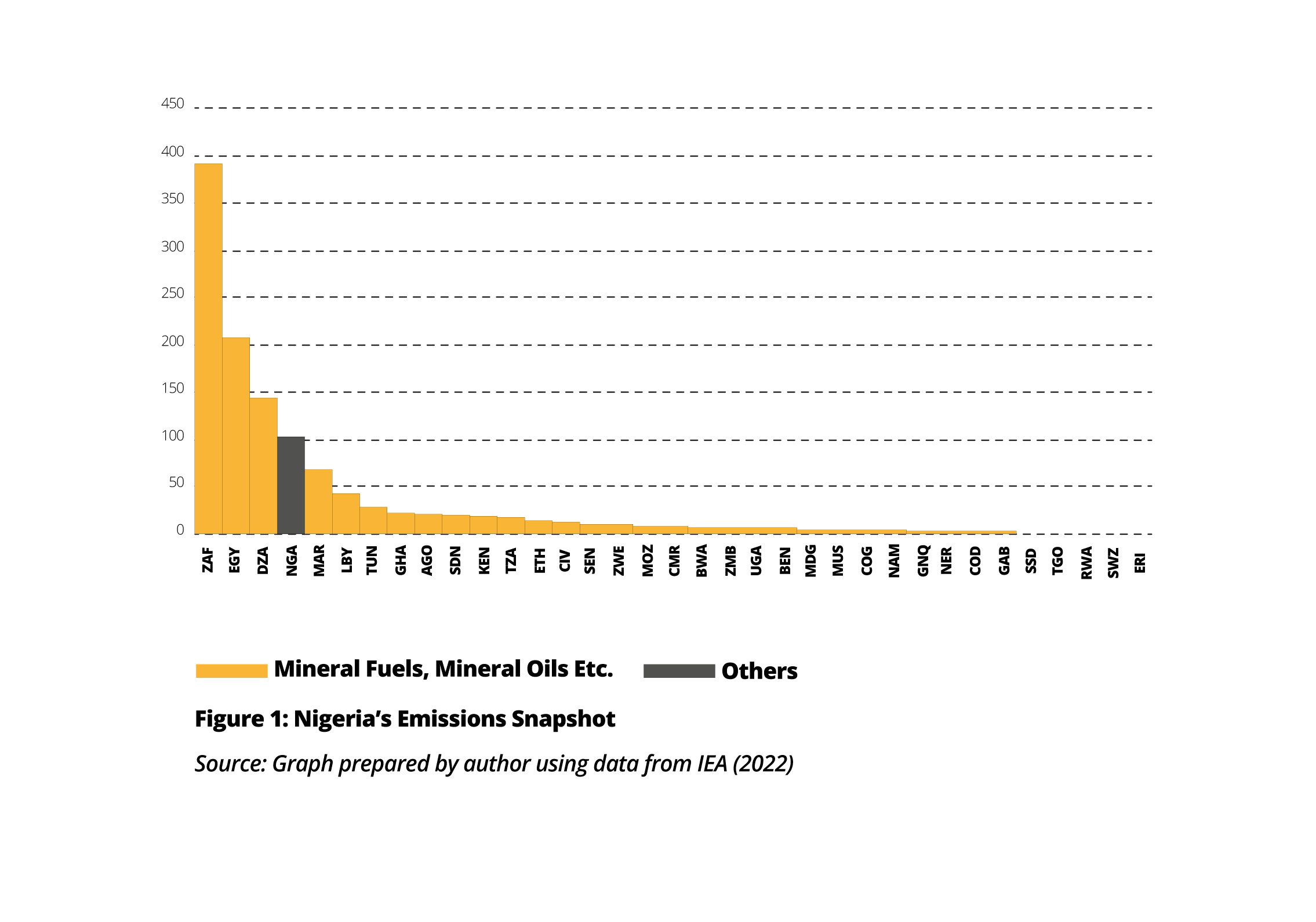
Under the Paris Agreement, Nigeria has taken steps such as enacting the Climate Change Act, establishing the National Council on Climate Change to coordinate and oversee climate action and submitting its Nationally Determined Contributions (NDCs) document. This commits the country to a conditional 45% reduction in greenhouse gas emissions by 2030 (compared to business-as-usual levels) and charts a path to net zero by 20601 (see Figure 1).
The African Group of Negotiators (AGN) represents African countries in international climate negotiations under the UNFCCC. Nigeria is an active member of the AGN, influencing the group's positions and benefiting from shared resources and expertise.
The group advocates for:
- Climate Justice: Emphasizing the principle of common but differentiated responsibilities.
- Adaptation and Resilience: Securing support for adaptation measures crucial for vulnerable African nations.
- Climate Finance: Ensuring developed countries fulfill commitments to provide financial assistance.
The World Trade Organization (WTO)
The WTO plays a significant role in shaping global trade policies, including those related to environmental sustainability. As a WTO member, Nigeria participates in negotiations that influence global trade rules related to environmental goods and services. Recent WTO discussions focus on the intersection of trade and climate change, recognizing that trade policies can support or hinder environmental objectives.
Key Initiatives:
- Trade and Environmental Sustainability Structured Discussions: An initiative aimed at promoting transparency and collaboration on trade-related environmental measures.
- Negotiations on Environmental Goods Agreement: Efforts to reduce tariffs on environmental goods, facilitating access to green technologies.
The African Union (AU)
The African Union provides a platform for regional cooperation on climate change and sustainable development. Nigeria contributes to and benefits from AU initiatives by adopting regional best practices and accessing support for renewable energy projects. Collaboration within the AU enhances Nigeria's capacity to address transboundary climate issues and leverage collective bargaining power in international negotiations.
The AU's Agenda 2063 envisions "a prosperous Africa based on inclusive growth and sustainable development."
Key Initiatives:
- African Climate Change Strategy: A framework guiding member states in integrating climate considerations into national policies.
- Africa Renewable Energy Initiative: Aimed at accelerating the use of renewable energy sources across the continent.
These initiatives underscore the importance of integrating climate considerations into all economic sectors, particularly industry, trade and investment.
Geopolitical considerations and developmental risks
Nigeria's oil and gas industry has long been a key pillar of its economic and geopolitical influence, especially within Africa (Figure 2). Any significant shift away from fossil fuel dependence will not only impact the domestic economy but could also reduce Nigeria's geopolitical clout in the region. The energy transition in Nigeria faces significant challenges rooted in the political economy of the country’s oil and gas sector. Powerful elites and vested interests, who have long benefited from the wealth generated by fossil fuels, often resist policies aimed at reducing dependence on oil. Corruption within the sector further complicates efforts to shift towards renewable energy, with funds being misappropriated and reforms being delayed by those profiting from the status quo. The political influence of the oil industry also extends into policymaking, where lobbying and other forms of influence lead to policy inertia that undermines climate action. Achieving a successful energy transition will require strong political will, governance reforms and the alignment of diverse stakeholders to overcome these entrenched interests and drive forward Nigeria's sustainable energy future.
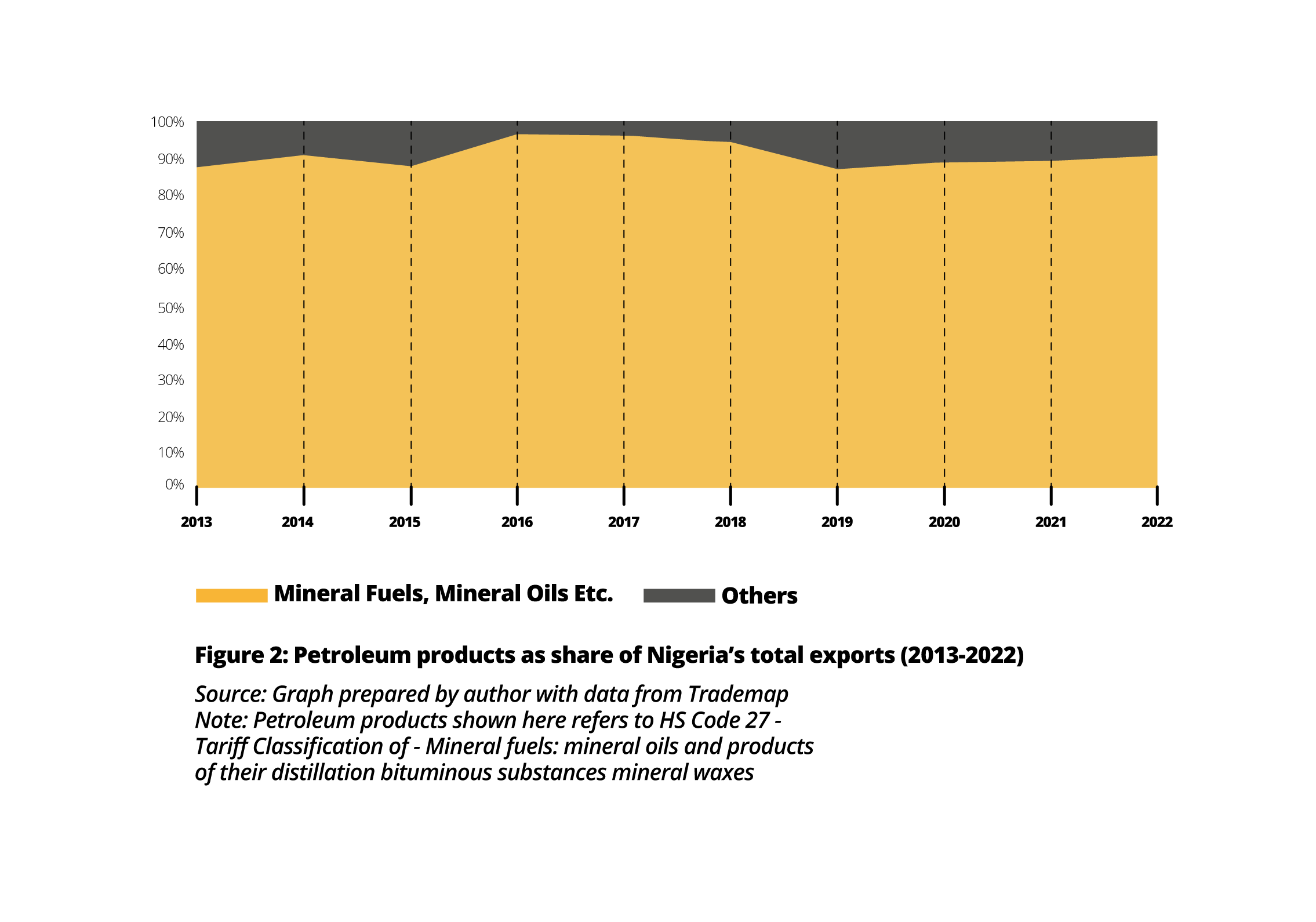
One key geopolitical risk lies in the potential reduction of Nigeria’s influence within global energy markets, particularly within the Organization of the Petroleum Exporting Countries. Nigeria's ability to leverage its oil and gas resources has provided it with significant bargaining power in international negotiations, trade agreements and regional partnerships. As the global energy landscape shifts towards renewable energy, Nigeria’s reduced involvement in fossil fuel trade could diminish its standing among fellow oil-producing nations and weaken its voice in critical discussions on energy policy and pricing.
Further, the prioritization of climate action could affect Nigeria's developmental agenda. The country still relies heavily on oil revenue for foreign exchange and budgetary stability. A sudden or poorly managed transition away from oil could exacerbate economic instability, leading to increased unemployment, reduced government revenues and heightened social tensions. For example, regions like the Niger Delta, which are heavily dependent on the oil sector for jobs and infrastructure development, could face severe economic and social challenges if alternative livelihoods and industries are not developed alongside the energy transition.
Additionally, the push for energy transition is often perceived as an imposition from Western nations, many of which are historically responsible for the bulk of greenhouse gas emissions. There is a growing sentiment among developing countries, including Nigeria, that the West's push for rapid decarbonization could hinder their own developmental progress. This perception fuels resistance to aggressive climate policies, as they are seen to disproportionately burden countries that still rely heavily on fossil fuels for their economic development.
Nigeria must navigate these global pressures while ensuring that its energy transition aligns with its national interests and developmental priorities, avoiding policies that could stifle economic growth. However, while there are risks, there are also opportunities. Nigeria can strategically position itself as a leader in Africa’s green transition, leveraging its resources and expertise to guide other African nations through similar transitions. By actively shaping Africa’s climate agenda and pursuing green energy initiatives, Nigeria can maintain and even enhance its geopolitical influence. Investment in renewable energy, green technologies and regional integration can help Nigeria pivot from being an oil-dependent nation to a green energy leader in Africa.
Climate finance landscape
Climate finance is broadly divided into three categories: climate change mitigation finance, adaptation and resilience finance and loss and damages. Sources of finance range from international donors, national funding mechanisms and private sector investments, among others. Climate finance can also be packaged as loans, grants or investments. Increasingly, finance is also taking the form of loan guarantees or investment de-risking, where donor governments incentivize the participation of their private sector in climate projects in emerging or developing economies.
International donors, such as the Green Climate Fund (GCF) and Global Environment Facility (GEF), play a crucial role in providing financial support for climate-related projects in Nigeria. These funds focus on initiatives that combine economic development with climate resilience, offering substantial opportunities for industry, trade and investment sectors to transition to low-carbon pathways. National funding mechanisms, including government budget allocations and climate-specific funds, are essential for implementing domestic climate policies. However, accessing and utilizing these funds often face challenges such as bureaucratic hurdles, limited capacity and competing priorities. The private sector also contributes to climate finance through investments in green technologies and sustainable business practices. An example is Alithea Capital’s Clean Energy Fund that invests in clean energy projects and there are other similar funds in the space.2
Opportunities for climate action
The following are some potential benefits of integrating climate action into trade and industry in Nigeria.
- Economic growth and job creation: Integrating climate strategies can stimulate economic growth by creating new markets and job opportunities in sectors such as renewable energy, energy efficiency and sustainable industries. This includes potential growth in solar energy projects, energy-efficient manufacturing and sustainable agriculture practices. Diversifying the economy through green industries can reduce the country’s reliance on oil exports and create a more resilient economic structure.
- Enhanced competitiveness: Sustainable practices enhance the competitiveness of Nigerian products in international markets. As global demand shifts towards environmentally friendly goods, compliance with international environmental standards can help maintain and expand market access. This is particularly crucial for Nigerian exports to regions which are promoting the development and adoption of environment-related restrictive trade policies, such as the European Union’s Carbon Border Adjustment Mechanism (CBAM) and Due Diligence policies.
- Resilience and risk management: Proactively addressing climate impacts through integrated strategies can enhance the resilience of Nigerian industries to extreme weather events, such as the recurring floods that affect agricultural productivity. Implementing climate-resilient agricultural practices can help secure food production and improve food security. Additionally, better resource management can mitigate the adverse effects of climate change on food security and agricultural resilience.
- Health and environmental benefits: Reducing emissions and pollution through sustainable practices improves public health and environmental quality. In the Niger Delta, for example, mitigating pollution from oil spills and adopting cleaner industrial processes can significantly improve local health outcomes and restore environmental balance. Cleaner air and water, along with reduced waste, contribute to a healthier population and ecosystems, supporting overall sustainable development in Nigeria.
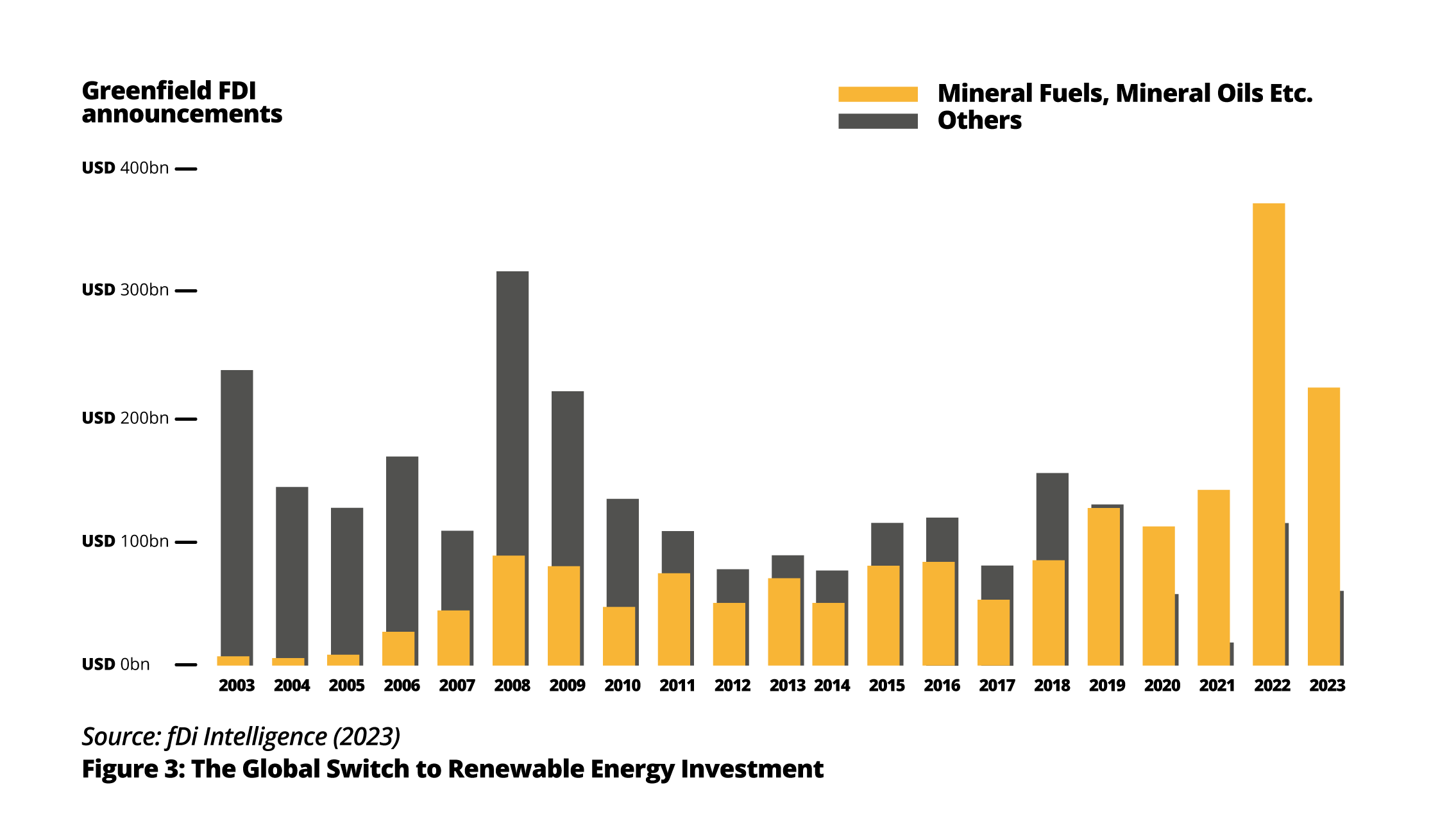
- Green technologies and innovations: Embracing green technologies offers opportunities for innovation across various sectors, including renewable energy, waste management and sustainable agriculture. Supporting research and development in these areas can lead to breakthroughs that provide economic and environmental benefits. Nigeria can become a hub for green technology innovation by fostering local startups and collaborating with international partners. Increasingly, the move to greener technologies can become a factor for attracting more foreign direct investment. As shown in Figure 3 below, global investment flows are shifting to renewable energy projects.
- Circular economy: Promoting a circular economy by designing products for longevity, reusability and recyclability reduces waste and resource consumption. Policies supporting recycling infrastructure and incentivizing businesses to adopt circular practices can foster a more sustainable industrial landscape. This can be particularly impactful in urban areas like Lagos, where waste management challenges are significant.
- Climate finance and investment: Accessing climate finance is crucial for funding sustainable projects. International funds like the GCF and the GEF provide financial support for initiatives that combine economic development with climate resilience. Developing specific green financial instruments, such as green bonds and low-interest loans, can also facilitate investments in sustainable projects. Nigeria’s issuance of green bonds is a step in the right direction, demonstrating the potential to attract significant investment for climate action.
- Public-private partnerships (PPP): Collaboration between the public and private sectors can leverage resources and expertise to drive climate action. PPP can facilitate the development and deployment of green technologies and practices, enhancing the overall impact of sustainability initiatives. These partnerships are essential for scaling up successful pilot projects and integrating sustainable practices across various industries.
Role of the FMITI in climate action
Nigeria’s FMITI plays an important role in shaping policies that drive economic growth. Aligning these policies with climate objectives is crucial for ensuring that economic development is sustainable and resilient to climate impacts. The ambitious targets that Nigeria has set in its NDC necessitates significant changes in industrial practices, energy production and investment strategies.
This report explores the intersection of climate policies with Nigeria’s industry, trade and investment sectors. It provides an in-depth analysis of the current climate finance landscape, existing policies and stakeholder perspectives. By identifying challenges and barriers, the report aims to offer actionable recommendations to enhance climate resilience. The ultimate goal is to mainstream climate action into the FMITI’s policies and sector priorities, ensuring that Nigeria can achieve sustainable growth in line with its international climate commitments and national development goals.
Conceptual Framework
To effectively mainstream climate action into the FMITI, it is essential to understand the interconnectedness of these three sectors within the climate change context. This conceptual framework illustrates how industry, trade and investment interact and influence each other in relation to climate action.
Key concepts and their interactions
Industry: The sector involved in the production of goods and services, including manufacturing, energy production and resource extraction. Industries are significant contributors to greenhouse gas emissions but also hold the potential for substantial emissions reductions through the adoption of clean technologies and sustainable practices.
Trade: The exchange of goods and services across domestic and international markets. Trade policies can affect the carbon footprint of goods through regulations, tariffs and standards. Sustainable trade practices promote the exchange of environmentally friendly products and services.
Investment: The allocation of capital to generate returns, encompassing both domestic and foreign direct investments. Investment decisions influence the development and deployment of low-carbon technologies. Mobilizing green finance is crucial for funding climate-resilient infrastructure and innovation.
Interrelationships
Industry and trade:
- Industrial outputs form the basis of trade. The environmental impact of industries directly affects the sustainability of traded goods.
- Trade agreements and policies can incentivize industries to adopt greener practices to meet international standards and access new markets.
Trade and investment:
- Investment flows drive trade by enhancing production capacities and supply chain efficiencies.
- Sustainable investment attracts green trade opportunities, promoting environmentally friendly goods and services in global markets.
Investment and industry:
- Investments determine the direction of industrial growth. Funding in renewable energy and clean technologies accelerates the transition to sustainable industries.
- Industries rely on investments to modernize infrastructure and adopt innovative practices that reduce emissions.
The necessity of analyzing industry, trade and investment together
- Holistic understanding: Climate change is a multifaceted issue affecting all sectors. An integrated approach ensures comprehensive policy development that addresses the complexities of each sector while aligning them towards common climate goals.
- Policy synergy: Coordinated strategies across sectors can create synergistic effects, amplifying the impact of climate action. For example, green investments can drive industrial innovation, which in turn can enhance sustainable trade practices.
- Efficient resource utilization: An integrated framework allows for the efficient allocation of resources, avoiding duplication of efforts and ensuring that initiatives in one sector complement those in others.
Complexities in grouping sectors
Sectoral differences:
- Objectives: Each sector has distinct primary objectives—industry focuses on production, trade on market exchange and investment on capital returns.
- Regulatory Frameworks: Different laws, regulations and international agreements govern each sector, which can sometimes conflict or lack alignment.
Commonalities in climate action strategies:
- Emission reduction goals: All sectors contribute to greenhouse gas emissions and have roles to play in mitigation.
- Innovation and technology: Advancements in technology are critical across sectors for achieving climate objectives.
- Stakeholder engagement: Effective climate action requires collaboration among government, private sector and civil society stakeholders in all sectors.
Rationale behind the integrated analysis
- Interdependency: The performance and policies of one sector often influence the others. For instance, investment in clean technology affects industrial emissions, which in turn impacts the sustainability of traded goods.
- Global commitments: Nigeria's international climate commitments require coordinated action across all economic sectors. An integrated approach ensures that national policies are coherent and effective in meeting these obligations.
- Economic transformation: Transitioning to a green economy necessitates simultaneous changes in industrial processes, trade practices and investment flows. Addressing these sectors together facilitates a smoother and more comprehensive transformation.
Understanding the intricate relationships among industry, trade and investment is crucial for the FMITI to effectively mainstream climate action. By adopting an integrated approach, the ministry can develop cohesive policies that leverage the strengths of each sector while addressing their unique challenges. This framework serves as a foundation for the subsequent analysis of obstacles and the formulation of targeted recommendations to align the FMITI's operations with Nigeria's climate commitments.
Methodology
The research involved a review of existing policies, legislation and strategic documents from the Federal Ministry of Industry, Trade & Investment, the Ministry of Environment and other relevant bodies. This policy analysis focused not only on content but also on the policy-making process, roles of various stakeholders and the interplay between different governmental layers.
An institutional framework review was conducted to analyze the mandate, structure and interactions of the FMITI with other government entities, private sector actors and international bodies. This helped identify potential leverage points and barriers for mainstreaming climate action within the bureaucratic system.
Stakeholder engagement included structured interviews with key informants from government ministries and agencies, focusing on those involved in policy formulation and implementation. Interviews were also conducted with non-governmental stakeholders from the private sector, donor space and civil society. The engagement strategy respected formal protocols and leveraged informal networks to facilitate open and productive dialogues. A total of 15 stakeholders were interviewed, including 7 stakeholders from the FMITI or its agencies and 8 stakeholders from other government agencies, the private sector, civil society and donor agencies.
The information gathered through desk research and stakeholder engagement was used for an integrative analysis to map out the interconnections between climate action, industry, trade and investment. This analysis informed the development of strategic, practical and actionable recommendations tailored to the complexities of the Nigerian policy-making environment.
Findings
Analysis of current policies and initiatives
Nigeria has established several policies to attract investments, promote trade and foster industrial growth. These policies include trade policies, investment policies and industrial development policies. Industrial development policies are both sectoral and cross-cutting. While these policies aim to create a conducive environment for economic activities, challenges such as bureaucratic bottlenecks, infrastructural deficits and policy inconsistencies hinder their effectiveness.
On the other hand, Nigeria has developed climate policies to address environmental challenges and promote sustainable development. These include the National Climate Change Policy (2021 – 2030)3, the Energy Transition Plan, the Nationally Determined Contribution, renewable energy initiatives and commitments under international agreements like the Paris Agreement, the 2021 Climate Change Act among others.
More recently, there have been a series of Presidential councils, committees and appointments linked to climate change. These include the National Council on Climate Change (NCCC), Inter-ministerial Committee on Climate Change, Intergovernmental Committee on National Carbon Market Activation Plan, Office of the Special Presidential Envoy on Climate Action4, Senior Special Assistant to the President on Climate Finance & Stakeholder Engagement, Presidential Committee on Climate Action and Green Economic Solutions, Presidential Steering Committee on Project Evergreen among others.5
However, the intersection between climate policies and economic sectors such as investment, trade and industry remain limited, highlighting the need for greater integration and coherence in policy frameworks. For instance, the 17000-word Trade Policy for Nigeria (2023 -2027) only includes less than a 100-word reference to climate issues. On the other hand, Nigeria’s draft African Continental Free Trade Area Implementation Strategy contains some discussions on environmental considerations and their link to climate change. The National Climate Policy does include sections on industry as well as some productive sectors but does not holistically address them. The policy incoherence extends to other issues, including the fact that Nigeria released its NDCs around the same time as the passing of the Petroleum Industry Act into law. These two policy documents appeared to contradict each other, with one planning for a transition away from an oil-dependent economy and another planning for state-led investment in frontier basin oil exploration (Tayo, 2021).
Within the FMITI, there is a Trade and Environment desk, as stipulated by signed WTO treaties. However, there appear to be challenges with coherence in the Nigerian government’s response to climate change, given the low levels of awareness and buy-in at the bureaucratic level. This contrasts with the seemingly high levels of interest and attention from the executive level. It is important however to recognize the knowledge and expertise gaps that sometimes exist between career bureaucrats (career civil servants) and political aides. As a result of this, policy consultations and implementation activities sometimes take place within ad-hoc arrangements with little engagement from the statutory bureaucracy.
Summary of stakeholder perspectives and insights – FMITI
Interviewed stakeholders within the FMITI and its parastatals all expressed a recognition of the importance of mainstreaming climate action into the Ministry’s policies and activities. They, however, also expressed that there was little institutional action or intent towards achieving this. Some interviewees reported insufficient engagement on some of the Presidential initiatives around climate change.6 It was shared that the paragraph on “Trade and Environment” that eventually made it into the revised trade policy was due to later engagement with the Federal Ministry of Environment (FME) when the issue of Environmental Impact Assessments was brought up. The process for producing the policy included 28 ministries, departments and agencies linked to trade but initially did not include any climate change expert as the process was not well resourced. The bureaucrats explained that there was insufficient capacity within the Ministry to champion climate change related issues, as many staff did not have a good understanding of the challenges and how it ought to inform their work. This lack of understanding was not only a challenge for the FMITI but also for their various stakeholders such as the National Assembly and the Ministry’s constituent parastatals.
An official of the Ministry proposed that there was a need to assess the compatibility of set climate goals with existing industrial development plans, as well as trade and investment policies. This also had to be done for sectoral plans including agriculture, energy, automotive and others. They however pointed out that there will be a need to improve the institutional framework for coordination between the different Ministries (FMITI and FME) as well as legislative support for any strategies that emerge from the collaborative deliberations. This would include issues such as Nigeria’s position and response to the EU’s CBAM.
There already exists an Enlarged National Focal Point on trade matters (ENFP), an inter-agency and inter-ministerial committee on trade issues. It was established in 2001 and is co-chaired by the Minister of Trade and the Director General of the National Office for Trade Negotiations (NOTN). The ENFP helps coordinate and makes recommendations on WTO issues as well as wider trade policy issues. It Is within this framework that the Trade and Environment desk exists, as this is required for WTO negotiations. There was also an acknowledgement that there was more capacity on climate change-related issues within the Geneva office of the FMITI, as officials there were directly involved with WTO negotiations.
Wider consultations with officials at the FMITI yielded similar findings, with some officials proposing that climate change issues had not yet been mainstreamed at the Ministry because no entity had “championed” this. Examples were given of gender mainstreaming and trade facilitation which were currently receiving generous attention and resources due to advocacy from external stakeholders. There were recommendations to secure the buy-in of the organized private sector as they had in the past proven as an effective advocate for triggering government action.
Summary of stakeholder perspectives and insights – non-FMITI
The stakeholders provided a wealth of insights on how to enhance climate action within Nigeria’s industry and trade sectors, emphasizing the critical need for a strategic and comprehensive approach. One of the primary themes was the importance of aligning economic and environmental objectives. This would involve developing a framework that ensures national economic goals, such as revenue generation from crude oil, do not conflict with the country’s climate commitments. The stakeholders noted that such alignment is crucial for creating policies that are both economically viable and environmentally sustainable.
Several stakeholders underscored the critical importance of carbon markets in aligning Nigeria’s trade and industry policies with global climate standards. Carbon markets, which facilitate the trading of carbon credits to incentivize emission reductions, were viewed as pivotal for Nigeria to integrate climate considerations into its economic practices. Stakeholders emphasized that participating in global carbon markets can provide Nigerian industries with financial incentives to adopt sustainable practices and reduce their carbon footprints.
Stakeholders also acknowledged the significant role of the FMITI in driving this transition towards a more climate-friendly industrial sector. They pointed out that the FMITI should take a proactive role in developing and enforcing policies that promote carbon reduction across all industrial activities. The ministry was seen as a crucial player in setting the regulatory framework and creating incentives for businesses to engage in carbon trading and adopt green technologies.
The discussions revealed a strong consensus on the need for a comprehensive framework to guide climate action within Nigeria’s industry. Stakeholders stressed the importance of detailed policies and strategies that align with international carbon market standards. They also highlighted the necessity for robust data collection and management systems to track the environmental and social impacts of industrial activities. Such data is vital for participating effectively in carbon markets and for demonstrating compliance with international trading standards.
Awareness and education initiatives emerged as another critical area. Stakeholders emphasized the need to build capacity within the FMITI and among other key stakeholders to understand and leverage carbon markets. This includes training industry players on how to engage in carbon trading and the benefits it can bring. Educating businesses and the public about the importance of reducing carbon emissions and participating in carbon markets was seen as essential for driving widespread adoption of sustainable practices.
PPP were identified as a key opportunity for enhancing climate action. Stakeholders suggested that the FMITI should foster collaborations with private sector players to leverage their resources and expertise in implementing climate-friendly initiatives. Such partnerships can facilitate the development and deployment of green technologies and practices, helping to reduce the carbon footprint of Nigeria’s industrial sector. Private sector actors such as the Nigerian Economic Summit Group (NESG) were playing a role in enhancing climate action and advocacy by being trusted advisors to the government.
The stakeholders also recognized the potential for accessing international climate finance through carbon markets. They pointed out that the FMITI should work to secure technical and financial support from international partners to help Nigerian industries transition to low-carbon operations. By participating in carbon markets, Nigeria can attract investments that support sustainable development and environmental conservation. In addition, an interviewee pointed out that mobilizing resources to fund research on climate mainstreaming was an example of climate finance.
In terms of opportunities, stakeholders identified several areas where Nigeria could enhance its climate action. One significant opportunity lies in developing smart agricultural technologies that improve water management and reduce emissions. Urban planning that includes more green buildings and the use of sustainable materials was also highlighted as a critical area for development. Additionally, promoting renewable energy, particularly solar power and reducing entry barriers for solar companies were seen as essential steps towards a sustainable industrial sector.
Overall, the stakeholders’ insights emphasized the need for the FMITI to have a clear and strategic approach to integrating climate considerations into trade and industry policies. They called for the ministry to lead in fostering a supportive environment for carbon markets, enhancing stakeholder engagement and ensuring that Nigeria’s industrial practices align with global climate objectives. By taking these steps, the FMITI can help position Nigeria as a proactive player in the global effort to combat climate change while driving sustainable economic growth.
Notes on stakeholders’ insights
There was a general alignment among stakeholders within the Ministry and those outside it on what needed to be done to mainstream climate action within the FMITI. There were, however, some differences in perspectives. As one example, a high-level government official from Nigeria’s oil and gas industry expressed a need for the FMITI to provide the industry with guidelines on “greening” oil production in the country. This suggestion was resisted by an official from the Ministry who insisted that this should not be the Ministry’s mandate but should be driven by the agency in collaboration with the Petroleum Ministry. The Petroleum Ministry could then present the recommendations to the FMITI and the FME, after which they could then seek executive and legislative support. This was one example of differing perspectives on mandates and responsibility.
Related to this was the challenge of territoriality within the Nigerian civil and public service that sometimes affects coordination and collaboration. The multitude of offices, initiatives, advisors, departments and committees on climate change issues can exacerbate this challenge due to conflicting and overlapping mandates. These challenges have been expanded further in the next section.
Challenges and barriers
In examining the challenges of mainstreaming climate action into the FMITI, the analysis provided by Usman (2020) is particularly relevant. The study critically assesses how Nigeria's reliance on oil revenues has resulted in entrenched interests and institutional weaknesses that hinder economic diversification and effective policy implementation. It highlights the lack of policy coherence and coordination among key sectors like oil and gas, power and manufacturing, which exacerbates these challenges. This context underscores the necessity of addressing institutional barriers and fostering cross-sector collaboration within the FMITI's efforts to integrate climate action. By applying insights from this analysis, strategies can be developed that not only promote sustainable industrialization and trade but also align with broader economic diversification goals. Understanding the political and economic dynamics outlined in the study aids in formulating policies that are both effective and resilient against governance constraints.
Building on the insights gathered from existing policies and stakeholder interviews, the following challenges have been identified as facing the mainstreaming of climate action in the FMITI. These challenges are organized under a number of thematic areas.
Challenges in aligning industry and trade with climate objectives
- Misalignment of objectives: One of the primary challenges highlighted was the misalignment between economic goals and climate considerations. For instance, Nigeria’s heavy reliance on selling crude oil for foreign earnings directly conflicts with the need to reduce carbon emissions. This fundamental misalignment complicates efforts to integrate climate-friendly practices into the industry and trade sectors.
- Central coordination and national objectives: Interviewees emphasized the challenge of central coordination and aligned national objectives. Without a unified strategy that integrates climate considerations across various sectors, individual institutions tend to operate in silos. For example, an interviewee mentioned that institutions often lack interdependence and engagement, which hinders the effective implementation of climate policies. It is important to note here that there is a plethora of initiatives, strategies and policies targeted at coordinating climate action issues. There has however been a struggle with integrating them fully into the operations, activities and policies of MDAs. In many cases, MDAs still tend to operate in silos and sometimes develop strategies or policies that conflict with each other. An additional challenge is the fact that the key institution mandated to ensure coordination sometimes lacks the required political support, financial resources or constitutional backing to effectively carry out this function. This in turn leads to situations where institutions over-extend their mandate when not empowered to do so.
Infrastructure and technical challenges
- Inconsistent power supply and poor transportation networks: The poor state of infrastructure, particularly inconsistent power supply and inadequate transportation networks, poses significant barriers to implementing climate-friendly projects. An interviewee pointed out that these infrastructure issues increase operational costs and reduce the competitiveness of green initiatives, making it difficult to adopt sustainable practices.
- Insufficient renewable energy investment: There is a notable inadequacy of investment in renewable energy, especially solar power. An interviewee mentioned the high costs associated with clean energy materials, such as solar batteries, which further impede the adoption of renewable energy solutions. Without substantial investments and incentives, transitioning to a sustainable energy system remains a challenge.
Financial barriers
- Access to climate finance: Accessing domestic and international sources of climate finance is critical for supporting green initiatives, yet it remains a significant challenge. Interviewees emphasized that many governmental bodies and businesses struggle to secure the necessary funding due to stringent requirements and lack of technical expertise to navigate these financial mechanisms. Financial constraints are a major impediment to implementing sustainability projects.
Governance and policy implementation
- Corruption and influence: Corruption and undue influence by powerful individuals were identified as major challenges. These issues lead to mistrust in governmental bodies and can skew policies in favor of certain interests. An interviewee highlighted instances where influential individuals could sway policies to their benefit, undermining efforts to implement fair and effective climate policies.
- Policy enforcement: While Nigeria has several climate action-related policies in place, interviewees noted that enforcement is often weak. An interviewee mentioned that the lack of stringent implementation and monitoring mechanisms means that many policies fail to achieve their intended impact. Effective enforcement is crucial to ensure that industries comply with climate regulations.
- Awareness, capacity and education gaps: There is a significant gap in climate education and awareness among the general population and within key institutions. Many Nigerians are unaware of climate change and its implications. For instance, an interviewee pointed out that many Nigerians have never heard of climate change, which hampers the adoption of sustainable practices. Building awareness and educating stakeholders on the importance of climate action are essential for driving change. These stakeholders include legislators, regulators, civil servants, other public officials, organized private sector and everyday Nigerians. It is however important to note here again that there are varying levels of awareness and understanding within the FMITI and its parastatals. For example, the NOTN is typically better versed on technical issues such as climate change.
Industry-specific challenges
- Economic dependence on oil: Nigeria’s economic dependence on oil revenue presents a major hurdle in the transition to clean energy. For example, an interviewee noted that the financial benefits derived from oil sales make it difficult for the government and industries to shift focus to more sustainable sources of revenue.
- Waste management issues: Effective waste management remains a challenge, with inadequate systems in place for recycling and waste reduction. An interviewee highlighted the need for better policies and infrastructure to manage industrial waste, particularly plastics and to promote recycling initiatives. They mentioned the National Plastics Alliance and the backward integration program as efforts to address these issues but emphasized that more needs to be done.
International and market-related challenges
- Integration into global carbon markets: Engaging in global carbon markets poses its own set of challenges. Interviewees noted the complexity of these markets and the need for robust data collection and management systems to track carbon emissions accurately. This is essential for participating in carbon trading and for aligning with international climate standards. An interviewee stressed the importance of aligning investment and trade policies with climate metrics and international trading standards.
- Investor confidence: Building investor confidence is crucial for attracting financing for climate-resilient projects. Transparent and well-regulated supply chains, along with clear and stable climate policies, are necessary to assure investors of the viability and profitability of green investments. An interviewee discussed the importance of having a standardized system for measuring and documenting environmental impact to build investor confidence. Emphasis was also placed on the importance of quality and credible data to inform decision-making.
Box 1: Capacity challenges within FMITI
A capacity assessment that was carried out in 2014 on the FMITI's Department of Trade found several weaknesses. There was a lack of sufficient capacity to effectively engage “Grade A stakeholders” for obtaining relevant inputs into trade policymaking and trade negotiations. Additionally, there was a clear deficiency in the ability to create a matching stakeholder–input/output matrix that could deliver high-quality trade policy outcomes. The department also suffered from limited knowledge of sources and the application of basic trade and related information and data. Where information and data were available, there was a lack of awareness and operational knowledge of appropriate analytical techniques. Furthermore, the capacity to prepare basic background studies and papers to inform national positions was extremely limited.
Another critical area of inadequacy was the ability to process and communicate trade information. Communication and relationships within the department were poor, with no recognizable strategy to disseminate trade information. Meetings were scarce, especially at the departmental level and there were no effective communication channels to keep staff informed. This resulted in most staff being unaware of activities outside their divisions. The operational misalignment of functions and mandates further complicated matters, with some divisions overburdened while others were underutilized. There was also no effective planning culture; staff worked in isolation, budgetary allocations were low and inadequately distributed and infrastructure and facilities, including information and communication technology (ICT) resources, were severely lacking. The physical work environment was far from conducive, leading to low staff morale and significant challenges to effective performance.
Although this assessment was carried out ten years ago, stakeholders are of the opinion that not much has changed. Challenges with the physical work environment may have contributed to the current situation where the Minister of Trade and her aides are stationed in the Bank of Industry building and not at the Ministry’s offices where the bureaucrats are.
Recommendations
National Framework and Strategy Development
- Develop a comprehensive national framework: The FMITI should create a detailed national framework to guide climate action within the industry. This framework should align economic and environmental goals and include specific policies and strategies for sustainability. As one example, the Ministry can put forward a strategy that prioritizes emissions reduction in low-revenue generating sectors in an effort to meet climate targets without the high opportunity cost of revenue generation in key economic sectors such as oil and gas. This will of course require medium to long-term implementation and monitoring of economic diversification and energy transition as envisioned in the Energy Transition Plan. This can potentially facilitate the overall goal of achieving “net zero emissions” at relatively lower economic and political costs.
- Establish a clear climate action strategy: The FMITI needs to articulate a clear strategy that integrates climate considerations into trade and investment policies, ensuring alignment with international standards and trading metrics.
Box 2: A green industrial policy for Nigeria
The proposed national framework can potentially take the form of a new - and green - industrial policy for Nigeria. Nigeria’s current industrial policy is outdated and there have been ongoing efforts to develop a new one. This presents a window of opportunity to design a strategy that sufficiently incorporates existing environmental policies including international climate commitments; contextualises them to Nigeria’s trade, investment and industrial needs; sets a framework for improved coordination and collaboration across stakeholders; and sets clear goals and objectives. This recommendation encapsulates a number of the other ones that have been mentioned in this section.
Infrastructure improvements
Responsible Party: The Federal Government and private sector stakeholders
- Invest in renewable energy infrastructure: Significant investments are needed in renewable energy, particularly solar power. This is because of the critical role energy plays in catalyzing trade and investment which necessitates the development of cleaner energy sources for more sustainable industrial activities. The federal government, in collaboration with the private sector, should focus on reducing entry barriers for solar companies and promoting clean energy.
- Enhance transportation networks: Improving transportation infrastructure is essential to support the competitiveness of green initiatives. The government should prioritize projects that modernize and expand transportation networks to facilitate the efficient movement of goods and services.
- Develop green industrial zones: Establishing green industrial zones with state-of-the-art infrastructure can significantly contribute to green industrialization. These zones should be equipped with renewable energy sources, efficient waste management systems and sustainable water use practices. The federal government, in collaboration with the private sector, can design and implement these zones to attract environmentally responsible industries. Such infrastructure would not only reduce the environmental impact of industrial activities but also position Nigeria as a hub for green manufacturing, boosting the country's competitiveness in global markets that increasingly value sustainability.
Access to climate finance
Responsible Party: The FMITI, financial institutions and international partners
- Access international climate finance: The FMITI should better position itself to help stakeholders secure international climate finance, including grants and low-interest loans. This involves building capacity to navigate application processes and meet stringent requirements. FMITI can coordinate on this with other key government institutions such as the Federal Ministry of Finance (FMF), the NCCC, development partners, development finance institutions (DFI) as well as other private sector actors, especially those focused on climate finance. These entities are sometimes already part of specialized committees or working groups.
- Create specific green financial instruments: Financial institutions should design low-interest loans and grants specifically for green businesses and sustainability projects. These instruments can help reduce the financial burden on businesses by adopting sustainable practices. Nigeria has already issued its first set of green bonds with plans to launch a second issue. The FMITI can play a role here by providing policy guidance on the kinds of financial instruments needed by trade and industry stakeholders. These could include trade finance instruments that allow for more sustainable trade as well as financial instruments targeted at driving sustainable industrialization.
Policy enforcement and compliance incentivization
Responsible Party: FMITI, anti-corruption agencies and law enforcement
- Strengthen policy enforcement: The FMITI should enhance the enforcement of existing climate policies to ensure compliance. This includes establishing stringent monitoring and evaluation frameworks. The FMITI can also set up a cross-sector coordination group with related entities across trade and industry to coordinate the mainstreaming of climate action.
- Incentivize compliance: If the FMITI can help successfully mobilize climate finance by deploying investment incentives, these funds can in turn be used to incentivize sustainable practices with public and private sector stakeholders. The Ministry can work with the Nigeria Investment Promotion Commission (NIPC) in creating the right investment incentives such as tax waivers. Ideally, this fund will not be managed by the Ministry directly but by one of its more suitable parastatals in collaboration with the Ministry of Finance.
Capacity building, awareness and education initiatives
Responsible Party: FMITI, educational institutions and NGOs
- Capacity building: Tailored capacity building measures will need to be directed towards staff of the Ministry and relevant agencies to increase their understanding of how climate action can be integrated and mainstreamed in their work. Innovative approaches can be used for this, by leveraging any existing expertise within the federal government, including the FME, the NCCC and the NOTN.
- Increase climate education: The FMITI should collaborate with educational institutions and NGOs to launch initiatives aimed at raising awareness about climate change. Educational programs should target both the general population and stakeholders within the industry to build capacity and foster a culture of sustainability.
- Continuous stakeholder engagement: Beyond workshops, the FMITI should establish continuous channels for feedback and collaboration with stakeholders. This helps in keeping all parties informed and involved in the climate action agenda.
Public-private partnerships
Responsible Party: The FMITI, private sector and non-governmental organizations (NGO)
- Promote PPPs: The FMITI should encourage partnerships between the government, private sector and NGOs to leverage resources and expertise for climate action. PPP can drive innovation and implementation of sustainable practices both in the areas of research and manufacturing. The NESG is one example of a public-private partnership that seeks to improve government policymaking by creating a pipeline of knowledge, data and advisory from the organized private sector.
- Engage existing organizations: Support existing organizations that are already working on sustainability initiatives by providing necessary resources and creating systems to facilitate their work.
Innovation and best practices
Responsible Party: The FMITI, research institutions and international partners
- Adopt international best practices: The FMITI should study successful climate strategies from countries like South Africa and integrate these practices into local policies. Learning from international examples can provide valuable insights and help tailor effective strategies for Nigeria.
- Support research and innovation: Research institutions should focus on developing innovative solutions for climate resilience. The FMITI can support these efforts by providing funding and facilitating partnerships with international research bodies. In the area of green transportation, an agency such as the National Automotive Design and Development Council can lead research initiatives on climate smart transportation solutions. The newly designed Trade Intelligence Unit can also include a research component on sustainable trade.
Box 3: Case study: South Africa’s Department of Trade, Industry and Competition
The South African Department of Trade, Industry and Competition (DTIC) is actively integrating climate action into its policies and activities through various initiatives aimed at reducing greenhouse gas emissions and promoting sustainability. It has taken some actions similar to Nigeria such as:
- The development and implementation of the Climate Change Bill, which was passed by the National Assembly in October 2023. This bill provides a comprehensive framework for South Africa’s climate response, including setting sector-wide emission targets and private sector carbon budgets.
Other initiatives include:
- The Electric Vehicles (EV) White Paper, which outlines strategies to transition the automotive industry towards electric vehicle production.
- The Gauteng Industrial Symbiosis Program implemented in collaboration with the Gauteng Department of Agriculture and Rural Development, promotes resource efficiency and waste reduction in the manufacturing sector.
- The DTIC works with the National Cleaner Production Centre South Africa, which offers training on resource efficiency and cleaner production practices to public and private sector stakeholders. These training sessions aim to equip stakeholders with the knowledge and skills needed to implement and monitor climate-related policies effectively. The Centre is engaged in various sectors, including chemicals, agro-processing, automotive and transport equipment, metals and allied processes, pulp and paper, clothing and textiles, leather and footwear, tourism and hospitality and commercial buildings. Its service model utilizes tools and methodologies derived from the United Nations Industrial Development Organization (UNIDO) Cleaner Production Toolkit.
- The DTIC works with the Department of Forestry, Fisheries and the Environment to align national climate policies and actions.
- The DTIC has proposed several fiscal measures to attract investment in sustainable projects, including tax incentives for research and development in the green economy and direct funding for infrastructure projects such as electric vehicle charging stations. They work with the National Treasury on this.
Despite the significant efforts by the DTIC to mainstream climate action into its policies, it was the comprehensive and coordinated national strategy that enabled South Africa to secure funding through the Just Energy Transition Partnership (JET-P). The JET-P, launched during COP26 in collaboration with international partners, represents a multifaceted approach involving not just the DTIC but also other key government departments, such as the Department of Mineral Resources and Energy and the Presidential Climate Commission. High-level political commitments, enhanced NDCs and cross-departmental collaborations were critical factors in demonstrating South Africa's readiness for a just energy transition.
The DTIC's strategic initiatives, like the development of the Green Paper on New Energy Vehicles (NEVs) and the NEV Roadmap, played a crucial role in aligning industrial and trade policies with the country's climate objectives. These efforts complemented the broader Just Energy Transition Investment Plan (JET IP) for 2023–2027,3 which outlines investment needs across sectors such as electricity, NEVs and green hydrogen. The JET IP, endorsed by South Africa's Cabinet, serves as a strategic framework to attract both international and local investment, emphasizing the necessity of a supportive policy environment.
Securing JET-P funding was a result of this collective effort, combining policy and regulatory reforms, stakeholder engagement and effective international diplomacy. While the DTIC's mainstreaming of climate considerations significantly contributed to creating an enabling environment, it was the synergy of all these elements that facilitated the successful partnership. Collaboration across various government departments, alignment with national development goals and engagement with international partners underscore the importance of a unified approach to climate action.
For Nigeria's FMITI, the South African experience illustrates the value of integrating climate action into industry and trade policies as part of a coordinated national strategy. By fostering inter-ministerial collaboration, aligning policies with national and international climate commitments and engaging with stakeholders and international partners, the FMITI can enhance its capacity to mainstream climate considerations effectively. This holistic approach can improve Nigeria's prospects of attracting international support and funding for its own just energy transition initiatives.
Source: South African Department of Trade, Industry and Competition (DTIC)
Implementation Framework
Some of the recommendations above have been condensed into this preliminary implementation framework. Several of the recommendations presented in the previous section will be contingent on the development of the national framework.
| Objective | Responsible Parties | Steps | Monitoring Mechanism | Expected Output |
|---|---|---|---|---|
| Capacity Building, Awareness and Education Initiatives | The FMITI in partnership with NCCC and NGOs | Develop training programs | Training program outlines and participation records | Enhanced understanding of climate action and link to the FMITI’s operations |
| Additional partners – Manufacturers Association of Nigeria & Nigerian Association of Chambers of Commerce, Industry, Mines and Agriculture | Launch awareness campaigns | Campaign impact assessments and feedback surveys | Increased public and stakeholder awareness – target will be organized private sector | |
| The FMITI | Establish continuous engagement channels | Stakeholder engagement logs and feedback mechanisms | Ongoing dialogue and feedback mechanisms | |
| Knowledge Exchange and Training Sessions | The FMITI supported by the WTO, UNIDO, United Nations Conference on Trade and Development, UNFCCC etc. | Set up virtual knowledge exchange sessions with better-performing trade ministries | Entry and exit surveys, number of sessions, participation records. | Catalogue of best practices and approaches for mainstreaming climate action |
| Training sessions on existing tools and guides for mainstreaming climate action in trade and industry | Entry and exit surveys, number of tools selected and adapted for use by the FMITI | Catalogue of tools available for use by the FMITI | ||
| Public-Private Finance and Investment Initiatives | The FMITI, Nigeria Sovereign Investment Authority, NIPC, NESG, Financial Institutions | Identify and develop green financial instruments, such as green bonds, low-interest loans and climate-focused funds. | Reports on financial instruments developed and uptake | Increased availability of finance for green projects through new financial instruments. |
| Establish PPP models for investment in renewable energy, sustainable infrastructure and climate-resilient agriculture. | Number of PPP agreements signed, monitoring reports | Enhanced public-private collaboration resulting in increased investments in climate-friendly projects and initiatives. | ||
| Leverage existing climate finance mechanisms, such as the GCF and other international funds, to support national initiatives. | Funds secured, project impact assessments | Effective utilization of international climate finance to support Nigeria's energy transition and climate action goals. | ||
| National Framework and Strategy Development / Green Industrial Policy Development | The FMITI, FME, FMF, NCCC, private sector stakeholders, Presidency | Establish a multistakeholder committee | Regular committee meetings and progress reports | A dedicated committee to develop and oversee industry, trade and investment related climate strategies |
| Develop the national framework | Quarterly progress reviews and draft assessments | A comprehensive document outlining climate action strategies and policies and roles of agencies | ||
| Approval and dissemination | Approval by relevant authorities and dissemination tracking | Officially approved and widely distributed framework | ||
| Policy Enforcement and Compliance Incentivization | The FMITI, anti-corruption agencies, law enforcement | Enhance monitoring and evaluation frameworks | Established monitoring frameworks and regular audits | Effective frameworks for policy enforcement |
| Incentivize compliance | Compliance incentive programs and evaluation reports | Increased compliance with climate policies | ||
| Monitoring and Evaluation | The FMITI, independent auditors, stakeholder representatives | Establish monitoring framework | Monitoring framework documents and implementation plans | A structured system for tracking progress |
| Conduct regular evaluations | Regular evaluation reports and feedback sessions | Regular reports on progress and areas for improvement | ||
| Feedback and adjustments | Feedback collection and action plans | Continuous improvement in climate action integration |
Conclusion
This report underscores the urgent need for mainstreaming climate action into Nigeria’s trade ministry. Given Nigeria's status as one of Africa’s largest economies, integrating climate considerations into industry, trade and investment policies is critical for fostering sustainable economic development and ensuring resilience against climate impacts.
The findings highlight significant challenges, including the misalignment of economic and environmental goals, infrastructure deficits, financial barriers and gaps in capacity and awareness. Despite these challenges, there are substantial opportunities for the FMITI to lead Nigeria’s transition to a green economy. Leveraging international climate finance, fostering public-private partnerships and developing a comprehensive national framework are pivotal steps in this direction.
By implementing the recommended strategies, the FMITI can enhance policy coherence, strengthen enforcement mechanisms and build the necessary capacity to drive climate action. Initiatives such as promoting renewable energy, improving transportation networks and supporting green industries will be crucial in reducing the carbon footprint of Nigeria’s industrial and trade activities.
Furthermore, the collaboration between various government entities, the private sector and international partners will be essential for the successful implementation of these strategies. Continuous stakeholder engagement, capacity building and the adoption of best practices from other countries can provide valuable insights and facilitate the transition to a sustainable and resilient economy.
In conclusion, mainstreaming climate action into the FMITI’s operations is not only a necessity for mitigating climate risks but also an opportunity to achieve sustainable growth and enhance Nigeria’s global competitiveness. By taking decisive action and fostering a collaborative approach, the FMITI can play a pivotal role in steering Nigeria towards a greener and more prosperous future.
References
fDI Intelligence. (2023). COP28: three FDI charts to grasp the tension between renewables and fossil fuels. Retrieved from https://www.fdiintelligence.com/content/data-trends/cop28-three-fdi-charts-to-grasp-the-tension-between-renewables-and-fossil-fuels-83244
IEA. (2022). How much CO2 do countries in Africa emit? International Energy Agency. Retrieved from //www.iea.org/regions/africa/emissions
Tayo, T. T. (2021). Nigeria’s north needs jobs, not oil. Institute for Security Studies. Retrieved from https://issafrica.org/iss-today/nigerias-north-needs-jobs-not-oil
Usman, Z. (2020). Economic Diversification in Nigeria: The Politics of Building a Post-Oil Economy. Carnegie Endowment for International Peace.
WTO. (2021). World Trade Report 2021: Economic resilience and trade. World Trade Organization.
Endnotes
[1] https://climatechange.gov.ng/wp-content/uploads/2021/08/NDC_File-Amended-_11222.Pdf
[2] https://thealitheia.com/alitheia-clean-energy-fund/
[3] https://climatechange.gov.ng/wp-content/uploads/2021/08/NCCP_NIGERIA_REVISED_2-JUNE-2021.pdf
[4] https://statehouse.gov.ng/news/president-tinubu-approves-mandate-for-office-of-the-special-presidential-envoy-on-climate-action-expands-green-economy-committee-membership/
[5] https://statehouse.gov.ng/news/president-tinubu-approves-new-leadership-for-national-council-on-climate-change/
[6] Important again to note that government officials and departments sometimes work in silos with poor diffusion of information across the institution.
About the author

Teniola Tayo
Teniola Tayo is a policy advisor with expertise in trade, investment and global geopolitics. Teni has led and contributed to policy research initiatives for partners across Africa, Europe, and the US, including the Nigerian government's Office for Strategic Preparedness and Resilience, the United Nations Development Programme, the World Bank, the Institute for Security Studies and the Africa Policy Research Institute.