Vom Abfall zum Gewinn: Eine nationale Strategie zur Methanminderung und -verwertung in Nigeria (EN)
Kann Nigeria 2 Milliarden Dollar an ungenutztem Methan in Energie, Arbeitsplätze und Klimavorteile umwandeln? Erfahren Sie in diesem Policy Brief, wie Methan als nationaler Wirtschaftsfaktor neu definiert wird.

Executive summary
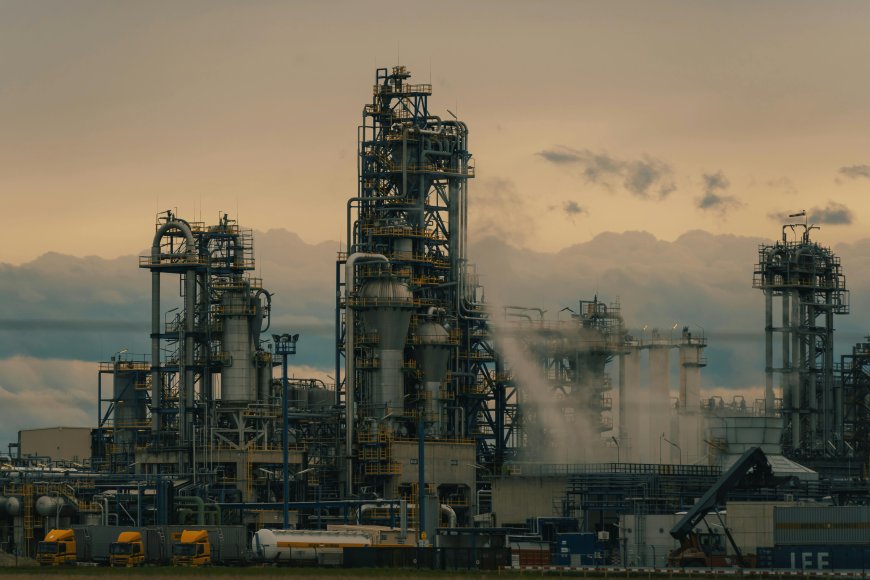
Methane (CH4) is a super-pollutant with a global warming potential that is 84–86 times greater than that of carbon dioxide (CO2) when measured over a 20-year period. It is responsible for approximately 30% of observed global warming. In Nigeria’s oil and gas sector, methane emissions arise from flaring, venting, fugitive leaks, oil-spill biodegradation, polluted sediment flux (notably in the Ogoni axis) and abandoned wells. These emissions constitute both an environmental crisis and a major economic loss. According to the Nigerian Upstream Petroleum Regulatory Commission (NUPRC), Nigeria wastes an estimated 250–300 million standard cubic feet per day (MMscfd) of gas through flaring and leakage. This is equivalent to USD 1.2–1.4 billion annually at prevailing domestic gas prices, and over USD 2.5 billion when valued as an equivalent of liquified natural gas (LNG).
Economic and emissions scale: why methane matters for Nigeria
-
According to the recent global flaring report by the World Bank, in 2024, flaring resulted in an estimated 389 million tonnes of carbon dioxide equivalent (MtCO2e) emissions globally – of which 46 MtCO2e came from unburnt methane. In 2023, roughly 276 MMscfd of gas was flared in Nigeria, valued at about USD 1 billion (≈ N 1.452 trillion). Accordingly, Nigeria risks losing over USD 1.7 billion (≈ N 2.47 trillion) in 2025.
-
Secondary data spanning 2002–2024 shows that, among other greenhouse gases (GHGs), flaring in Nigeria emitted ~89.4 MtCO2e as methane and ~625 million metric tonnes of carbon dioxide (MtCO2). These figures highlight that methane emissions in Nigeria are not only a climate burden but also a large, though forfeited, economic resource.
Co-benefits: environment, health, public welfare and energy access
Beyond climate mitigation, reducing methane emissions yields significant ancillary benefits:
-
According to the United Nations Environment Programme (UNEP), methane is responsible for about a third of current global warming and contributes to ground-level ozone pollution, which drives premature deaths, worsens respiratory diseases, undermines crop yields and harms ecosystems.
-
For Nigeria, reducing methane (and associated ozone or air pollution) could significantly improve public health outcomes, especially in the oil and gas host communities that are vulnerable to flaring and leaks. This would lower healthcare burdens, improve lifespans and enhance the quality of life.
-
Captured methane can be redirected into energy uses such as power generation, mini-grids, compressed natural gas (CNG) or micro-LNG for transport or industry, and gas-based industrial or digital economy applications. This would improve energy access, fuel economic activity and create jobs.
COP30 context: why this strategy matters now
The global environment following the 2025 United Nations Climate Change Conference (COP30) underscores methane as the fastest, most cost-effective lever for near-term climate mitigation. Flaring and fossil-gas methane are focal sectors for abatement efforts. Global frameworks now push for mandatory measurement, reporting and verification (MRV), elimination of routine flaring and investment in methane capture and utilisation. Recent global reports (e.g., from the Global Flaring and Methane Reduction Partnership) emphasise that gas currently wasted via flaring could – if captured – support power generation or fuel supply in countries where energy access remains limited.
For Nigeria, this global momentum translates into opportunity: methane no longer needs to be viewed solely as a liability. Rather, it is a strategic commodity whose conversion into productive use aligns climate commitments with energy security and economic development.
The commodification of methane: a strategic opportunity
Nigeria’s adoption of a comprehensive methane mitigation and reduction plan would unlock multiple value streams:
-
Revenue recovery: Redirect flared or vented gas into saleable products (pipeline gas, CNG and micro-LNG, gas-to-power).
-
Energy access and industrial growth: Provide gas for power generation, small-scale industry, transport and domestic use – improving energy access and fuelling economic activity.
-
Environmental and health gains: Reduce GHG emissions, lower local air pollution, improve public health outcomes and reduce environmental damage.
-
Job creation and economic development: Build new industries around gas processing, distribution, utilisation and maintenance – creating skilled jobs and supporting local economies.
-
Access to climate finance and carbon credits: With robust MRV, methane reductions can be quantified, verified and potentially monetised via carbon markets or dedicated methane or climate funds, attracting investment and international support.
The idea of commodifying methane by capturing, processing and converting it into energy and digital economy applications provides a practical, mitigation-first pathway to cut emissions while generating measurable economic value. If Nigeria captures and commercialises at least 50% of the methane that is currently wasted across oil and gas systems, the country could unlock an estimated USD 1.5–2 billion in annual value. This would come through power generation, CNG or micro-LNG solutions, petrochemical feedstocks and high-performance computing applications such as artificial intelligence and machine learning workloads, data centres and Bitcoin mining. Such a strategy could also stimulate 50,000–80,000 specialised technical jobs and broaden fiscal revenues.
Critically, methane commodification is not an incentive for further upstream oil and gas development. It is a climate-aligned, near-term mitigation measure focused on capturing methane that is already being emitted or vented from existing and legacy infrastructure. By converting unavoidable emissions into productive uses, the strategy helps reduce the climate intensity of current operations without justifying new emissions-intensive projects. This distinction is essential to ensure alignment with international climate commitments, sustain credibility with global climate finance partners and prevent misinterpretation that could imply fossil fuel lock-in.
Governance challenges and the need for institutional reform
A key barrier to realising these opportunities is Nigeria’s fragmented regulatory and institutional landscape. Upstream oversight, downstream regulation, environmental compliance, fiscal and revenue collection, and climate policy coordination are spread across multiple agencies. Without coordination and clear responsibilities, methane capture and utilisation projects struggle to attract investment, deliver compliance or scale up. Establishing a unified governance framework with clearly defined mandates, data-driven enforcement (via MRV) and streamlined commercialisation pathways is therefore essential. This can be achieved through a comprehensive structural review of the Petroleum Industry Act (PIA) and integrating the National Oil Spill Detection and Response Agency (NOSDRA) into the PIA framework towards achieving coherent regulatory efficiency that is galvanised with routine roundtable stakeholder engagements. Programme design: a phased methane reduction and commercialisation strategy
We propose the following timeline:
-
Short term (2026): Deploy MRV systems (satellite and ground-based), pilot the capture and utilisation of flared or vented gas at selected sites, begin regulatory reforms and strengthen enforcement.
-
Medium term (2027–2029): Scale up gas-to-power and gas-to-use projects (CNG and micro-LNG), roll out infrastructure for distribution and utilisation, expand monitoring and begin carbon credit enabling processes.
-
Long term (2030–2033 and beyond): Phase out routine flaring and venting, remediate abandoned wells, integrate methane-based gas supply into broader national energy plans, and institutionalise methane management as a mainstream component of oil and gas governance.
This strategy aligns with the global momentum on methane reduction following COP30, positioning Nigeria to attract climate finance flows while delivering domestic economic, energy and social benefits. By prioritising methane capture from existing and legacy emissions, Nigeria can advance a high-impact mitigation pathway that also strengthens energy security and drives inclusive growth.
Furthermore, Nigeria’s methane-abatement potential is reinforced by well-established cost curves showing that a significant share of reductions can be achieved at low or even negative cost. Measures such as systematic leak detection and repair (LDAR), replacement of high-bleed pneumatic devices and flare gas recovery initiatives consistently rank among the most cost-effective mitigation options worldwide. For Nigeria, these interventions offer immediate, technically feasible opportunities to cut emissions and simultaneously generate commercial value from recovered gas. Prioritising these low-cost actions in the short to medium term will strengthen the economic justification for rapid implementation and mobilise the political will as well as the financing needed for scaled deployment.
Key recommendations
-
Establish a Methane Governance Council to harmonise roles among regulatory, environmental, fiscal and climate agencies.
-
Deploy robust MRV architecture (satellite and ground-based, with independent verification) to enable transparent measurement, reporting, compliance and carbon credit eligibility.
-
Promote the commercialisation of captured methane through incentives for gas-to-power, CNG and micro-LNG, and industrial and digital uses.
-
Link methane reduction and utilisation targets to national commitments (Nationally Determined Contribution or short-lived climate pollutant frameworks), with clear institutional responsibilities and realistic timelines.
-
Prioritise the development of bankable methane capture and utilisation projects to attract climate finance, private investment and public–private partnerships.
-
Frame methane as not simply a pollutant but also a long-term strategic resource for energy security, economic growth and a just energy transition – elevating Nigeria as a leading example in methane management in Africa.
About the Author

Dr. Mahmoud Ibrahim Mahmoud
Dr. Mahmoud Ibrahim Mahmoud is an accomplished Geospatial Information and Environmental Scientist specializing in satellite remote sensing and Geographic Information System (GIS) applications. He is currently a Senior Climate Change Fellow working on Methane Mitigation and Reduction in Nigeria with the APRI