This paper is part of the ECOWAS Policy Analysis Series (EPAS) - an initiative spotlighting African thought leaders and researchers take on ECOWAS. EPAS aims to critically examine ECOWAS’s evolution over the past five decades from the perspective of academics and citizens and contribute to a forward-looking vision for regional integration in West Africa. The EPAS series is coordinated by the Africa Policy Research Institute in the context of the ‘Support to the ECOWAS Commission on Organisational Development’ project. The project is implemented by the Deutsche Gesellschaft für Internationale Zusammenarbeit (GIZ) GmbH on behalf of the German Federal Ministry for Economic Cooperation and Development (BMZ).
Introduction to the Series
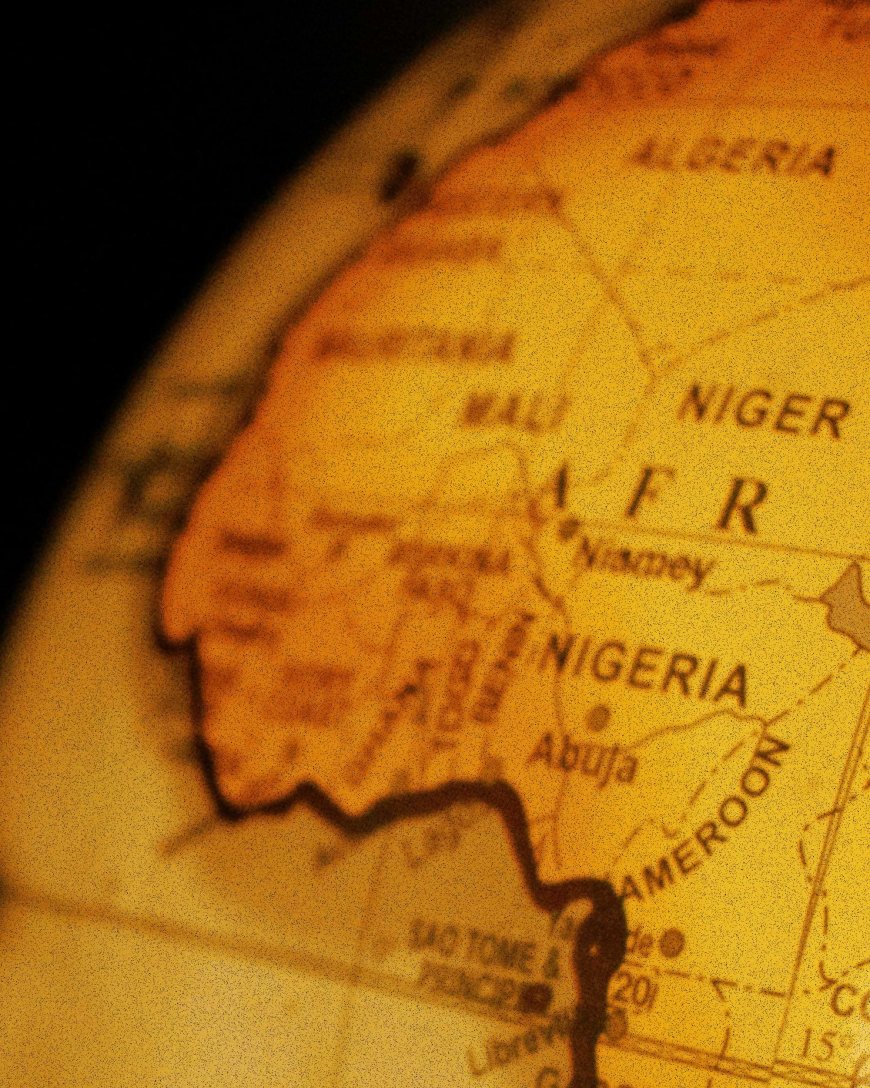
The Economic Community of West African States (ECOWAS) is a regional organization established on 28 May 1975 through the ratification of the Treaty of Lagos, with the aim of promoting regional integration and collective self-reliance in West Africa. Among ECOWAS’s founding members, Mauritania decided to withdraw in December 2000, and Burkina Faso, Mali, and Niger, officially left the organization on 29 January 2025. The current Member States of ECOWAS are Benin, Cabo Verde, Côte d’Ivoire, The Gambia, Ghana, Guinea, Guinea Bissau, Liberia, Nigeria, Sierra Leone, Sénégal and Togo. ECOWAS is a trailblazing institution in Africa, having implemented key initiatives for the free movement of people, goods, and capital across regional borders, beginning with the 1979 Protocol on Free Movement of Persons, Right of Residence, and Establishment.
Over time, ECOWAS broadened its scope to include regional peace, security and governance. It adopted essential norms, standards and institutional mechanisms to address threats to regional stability. Notably, the adoption of two groundbreaking protocols in 1999 and 2001 marked a strong commitment by ECOWAS leaders to institutionalise conflict prevention and resolution mechanisms as well as the promotion of democracy and good governance.
ECOWAS is governed by key organs such as the Authority of Heads of State and Government, the Council of Ministers and the ECOWAS Commission—the executive organ tasked with implementing decisions made by the bloc’s political leaders. Supporting structures include the ECOWAS Parliament and the ECOWAS Court of Justice, the legislative and judicial arms of the organisation respectively. The Commission coordinates with specialized agencies such as the West African Health Organisation, the West African Power Pool, the West African Monetary Agency and the ECOWAS Gender Development Centre. It also partners with civil society organizations like the West Africa Network for Peacebuilding (WANEP), which established an early warning system for conflict prevention.
Despite several notable achievements, the Commission faces persistent challenges in fulfilling its long-term objectives. These include its limited organizational efficiency, resource constraints and a prevailing negative perception among the public, much of which believes that ECOWAS selectively enforces its norms and does not adequately represent its interests.
A central challenge to ECOWAS’ effectiveness lies in the tension between its supranational mandate and the reluctance of member states to cede aspects of their sovereignty. Member states often delay or fail to implement regional protocols and tend to operate in national siloes. While ECOWAS advocates for a people-centred approach to regional integration and economic development, many citizens continue to perceive the bloc as a “club of heads of state.”
Compounding these challenges are the Commission’s dependence on external donors and the complex nature of conflict dynamics which are often rooted in domestic issues but influenced by non-state and external actors. These dynamics, along with an increasingly fragmented regional and global geopolitical landscape, have placed significant strain on ECOWAS’ integration agenda.
In recent decades, critiques of ECOWAS have highlighted its limited adaptability to evolving dynamics, growing legitimacy gap and lack of the capacity required to fulfill the bloc’s mission. However, these critiques also offer an opportunity to reimagine ECOWAS and redefine its role in a shifting regional and international order.
West Africa faces compounding pressures including persistent insecurity, governance deficits, food insecurity, climate emergencies and demographic shifts, all of which hinder the region’s economic development. Global disruptions such as the COVID-19 pandemic, the Russia-Ukraine war, conflicts in the Middle East and global trade tensions have exacerbated instability, deepening the peace-security-governance crisis in West Africa. These developments have culminated in internal divisions within ECOWAS, posing the greatest existential threat to the bloc since its inception in 1975.
Geopolitical fragmentation has reshaped the global and regional integration landscape to the extent that strategic competition increasingly supersedes cooperation. Meanwhile, African nations and multilateral institutions are asserting themselves on the global stage, calling for Africa to play a more influential role in shaping the international order.
As ECOWAS marks its golden jubilee, this policy analysis series assesses the bloc’s strengths, weaknesses, opportunities and threats in this rapidly changing context—and proposes ways by which the bloc can anticipate and respond to emerging challenges. The series is driven by the belief that shifts in the global order necessitate an increased policy attention and improved regional cooperation.
A central objective of the series is to underscore ECOWAS' historical contributions to regional integration in Africa and to highlight the risks of failing to address its current limitations. The 14 policy papers included in this collection explore the means by which ECOWAS can work more effectively with non-state actors to address the most pressing issues surrounding political and economic integration.
A guiding question for the series is: How can ECOWAS adapt its existing norms and practices—including its engagement with civil society, the private sector, youth, women, and local communities—to respond to the challenges of regional integration amid an evolving global landscape?
To advocate for a reinvigorated ECOWAS, it is essential to return to its founding ideals of solidarity and collective self-reliance. These goals can be achieved by strengthening national development, enhancing citizen welfare and fostering cooperation across multiple sectors.
Themes Covered in the Essay Series:
- ECOWAS in a changing geopolitical context
- Culture
- Migration and the free movement of people
- Trade, industrialization, and regional value chains
- Critical infrastructure
- Peace, security, and conflict resolution
- Reforming ECOWAS
- Health
- Digitalization
- Climate and energy transition
- Gender
- Democracy, institutions, and governance
The breadth of topics in this series reflects the need for a multidimensional approach to revitalizing ECOWAS. Such an approach must consider the effectiveness of past policies, the interactions between various policy domains, the diverse objectives of ECOWAS and its member states, and the complex influence of domestic, regional and global factors.
As ECOWAS looks to the future, it must enhance its ability to partner with West African states in achieving key objectives, including:
- Strengthening resilience to violent extremism
- Promoting inclusive and participatory democratic governance
- Developing regional value chains that spur industrialization and job creation
- Reinforcing healthcare systems to withstand pandemics and emergencies
Only by addressing these priorities can ECOWAS realize its core mission of fostering regional self-sufficiency and improving the lives of West African citizens.
About the Authors

Dr. Amandine Gnanguênon
Dr. Amandine Gnanguênon is a senior Fellow and Head of the Geopolitics and Geoeconomics Program. She has more than 15 years of experience working on West African regional security and integration, and has published several policy briefs focusing on ECOWAS.

Christopher O. Ogunmodede
Christopher O. Ogunmodede is an editor, consultant and analyst of African politics, security and international relations with a specialized focus on West Africa. He has worked with governments, multilateral organizations, private sector organisations, think tanks, non-profit organisations and media organizations on three continents.
Disclaimer: This publication was produced with support of the Organisational Development, Support to the ECOWAS Commission, commissioned by the German Federal Ministry for Economic Cooperation and Development (BMZ) and implemented by the Deutsche Gesellschaft für Internationale Zusammenarbeit (GIZ) GmbH (GIZ). The content of the publications does not necessarily reflect any official position of GIZ or the German government. GIZ and the BMZ assumes no responsibility for external links and the content of external websites referenced in the publications.